Noah Kahan Supports Chappell Roan’s Right to Privacy Amid Viral Paparazzi Footage
Noah Kahan Supports Chappell Roan’s Right to Privacy Amid Viral Paparazzi Footage
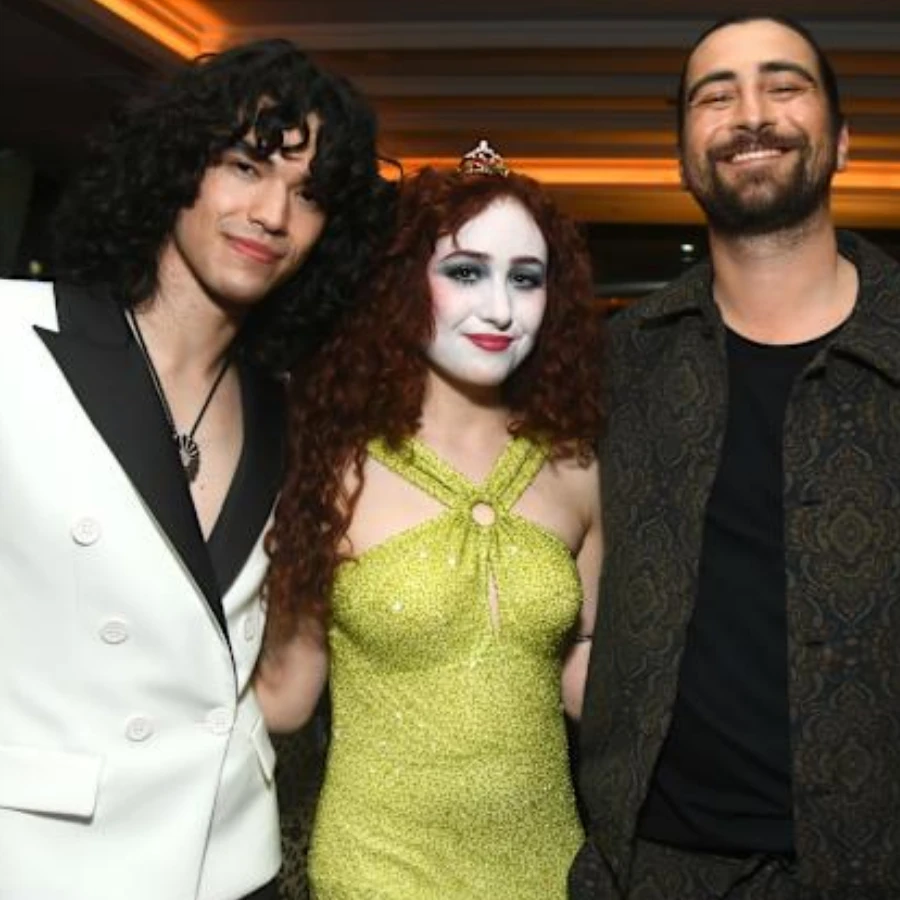
In a striking display of solidarity and advocacy for artists’ privacy rights, singer-songwriter Noah Kahan has publicly defended Chappell Roan after a recent incident involving invasive paparazzi footage went viral online.
The footage captures the singer-songwriter visibly upset and expressing her frustration towards relentless paparazzi photographers who have been invading her personal space and privacy.
This incident has sparked widespread discussion across social media platforms, music industry circles, and among fans, raising important questions about the boundaries of privacy for artists in the digital age.
Noah Kahan’s vocal support underscores the importance of respecting artists’ personal lives and highlights the ongoing challenges they face in maintaining privacy amidst relentless media scrutiny.
The Viral Video: An Unfiltered Moment of Frustration

The video, which quickly circulated across platforms such as TikTok, Twitter, and Instagram, shows Chappell Roan, an emerging star known for her candid lyricism and energetic performances, in a moment of raw emotion.
As paparazzi swarm her outside a venue, she appears visibly distressed, shouting, “Eat fucking nails,” in response to the invasive photographers.
While some viewers initially interpreted her words as a fiery outburst, many others recognized it as a genuine expression of frustration from an artist overwhelmed by the constant intrusion into her personal life.
The footage has resonated with many fans and fellow musicians who understand the toll that invasive paparazzi and relentless media attention can take on artists.
Noah Kahan’s Public Support: A Statement of Privacy Rights

In response to the viral footage, Noah Kahan took to social media to voice his support for Chappell Roan, emphasizing the importance of respecting artists’ boundaries and privacy.
His statement, shared widely on Twitter and Instagram, reads:
“Artists deserve their privacy. We work hard to create art, and that shouldn’t come at the expense of our personal lives. Respect boundaries, respect artists. Enough with the invasive paparazzi. Chappell Roan is right—eat nails.”
Kahan’s words resonate deeply within the broader conversation about the treatment of artists in the digital era.
His public stance aligns with a growing movement advocating for more respectful media practices and greater accountability for paparazzi and media outlets that prioritize sensationalism over respect.
The Broader Context: Privacy Challenges for Artists Today

The incident involving Chappell Roan is not isolated. Across the music industry, countless artists have spoken out about the invasive nature of paparazzi and the toll it takes on their mental health, safety, and personal relationships.
The rise of social media has only amplified these challenges, as fans and followers often demand intimate glimpses into artists’ lives, blurring the lines between public and private.
The Impact of Paparazzi Culture
Paparazzi culture has long been a contentious issue in celebrity journalism.
While some argue that paparazzi serve a public interest by documenting public figures, critics contend that their aggressive tactics often cross ethical boundaries, leading to dangerous situations and emotional distress for artists and celebrities alike.
In recent years, several high-profile incidents have underscored the dangers associated with invasive photography.
From celebrities being chased in cars to photographers invading private properties, the consequences of relentless paparazzi pursuit can be severe.
Many artists have voiced their desire for stricter regulations and better protections against invasive media practices.
Mental Health and Well-Being of Artists
The mental health implications of invasive media coverage are well-documented.
Artists often report feelings of anxiety, depression, and paranoia stemming from constant surveillance and scrutiny.
The pressure to maintain a perfect public image while managing personal struggles can be overwhelming.
Chappell Roan’s emotional outburst, captured in the viral video, underscores the emotional toll that invasive paparazzi can exact.
Her words serve as a stark reminder of the human side of artists often reduced to tabloid fodder.
Industry Responses and Calls for Change
The incident has prompted reactions from various industry stakeholders, including fellow artists, managers, and advocacy groups.
Many have called for increased regulation of paparazzi activities and the implementation of stricter privacy laws to protect public figures.
Advocacy for Privacy Legislation
Organizations such as the National Press Photographers Association and celebrity advocacy groups have long pushed for legislation that limits paparazzi behavior, especially in private spaces.
Some states and countries have introduced or enacted laws aimed at curbing invasive photography, but enforcement remains inconsistent.
Artists Taking a Stand
Several artists have publicly shared their own experiences with invasive media coverage, lending support to Chappell Roan and others advocating for change.
Their stories highlight the pervasive nature of privacy violations and the urgent need for systemic reforms.
The Role of Fans and Social Media
Fans play a significant role in shaping the narrative around artists’ privacy.
While many fans support their favorite musicians and respect their boundaries, others inadvertently contribute to the problem by sharing private moments or demanding access to personal lives.
Social media platforms have become battlegrounds for this debate.
On one hand, they offer artists a direct line of communication with fans; on the other, they can facilitate the spread of invasive content.
Responsible use and respectful engagement are essential to fostering a healthier environment for artists.
Moving Forward: Respecting Boundaries in a Digital Age
The viral video of Chappell Roan’s emotional response serves as a catalyst for ongoing conversations about privacy, respect, and boundaries in the entertainment industry.
Artists, fans, and media outlets must work together to create a culture that values personal space and mental well-being.
Practical Steps for Respectful Media Coverage
Establish Clear Boundaries: Media outlets and photographers should respect private properties and personal spaces.
Consent and Privacy: Artists should have control over when and how their personal lives are documented.
Legal Protections: Governments should consider strengthening laws that protect individuals from invasive paparazzi tactics.
Mental Health Support: Industry professionals should prioritize mental health resources for artists dealing with media pressure.
Conclusion: Standing in Solidarity for Privacy Rights
Noah Kahan’s public support for Chappell Roan underscores a vital message: artists deserve respect and privacy, just like anyone else.
As the conversation around invasive paparazzi practices continues to evolve, it is crucial for all stakeholders to advocate for a culture of respect, empathy, and boundary-setting.
The viral footage of Chappell Roan’s emotional outburst is more than just a moment of frustration; it is a call to action.
It reminds us that behind the fame and public personas are real people with feelings, boundaries, and a right to privacy.
Moving forward, let us prioritize compassion and respect in how we engage with artists and public figures in the digital age.