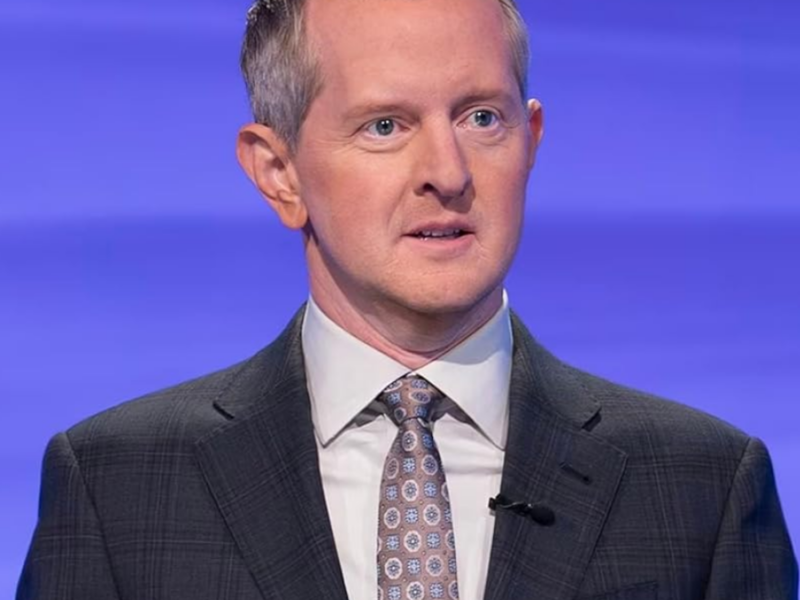
Ken Jennings and Rick Steves Face Backlash and Online Roasting Over Support for Washington State’s Proposed Income Tax
Ken Jennings and Rick Steves Face Backlash and Online Roasting Over Support for Washington State’s Proposed Income Tax
In a development that has sparked intense debate across social media platforms and news outlets, well-known television personality Ken Jennings and travel expert Rick Steves are facing a wave of criticism and online roasting after publicly voicing their support for Washington state’s controversial proposal to implement a new income tax.
The move, which has divided residents and policymakers alike, has ignited a firestorm of opinions, with many critics accusing Jennings and Steves of betraying their principles or misjudging the potential impact of such a tax policy.
The Background: Washington State’s Income Tax Proposal
Washington state, long known for its lack of an income tax and its reliance on sales and business taxes, has recently become a battleground for a heated debate over fiscal policy.
The proposal, introduced by state lawmakers earlier this year, seeks to impose a progressive income tax on high earners, aiming to address income inequality and fund essential public services such as education, healthcare, and infrastructure.
Supporters argue that an income tax would create a fairer tax system, ensuring that wealthier residents contribute more to the state’s economy and social programs.
Opponents, however, contend that such a tax could discourage investment, drive high earners out of the state, and threaten economic stability.
Ken Jennings and Rick Steves Join the Debate
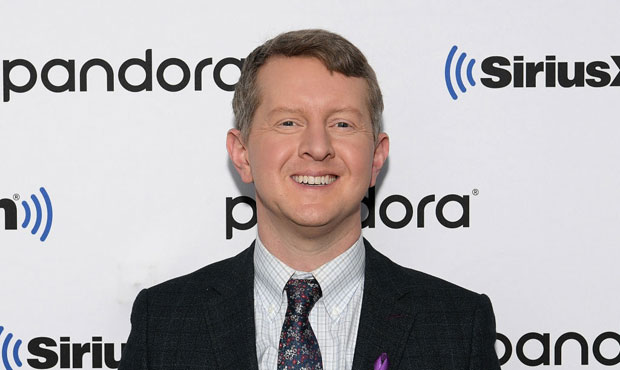
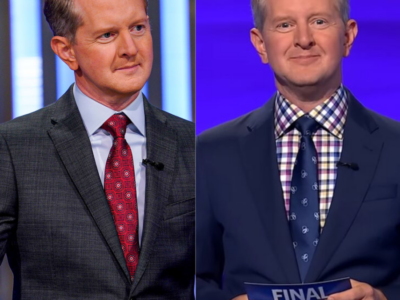
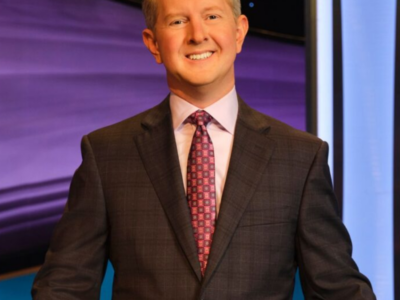
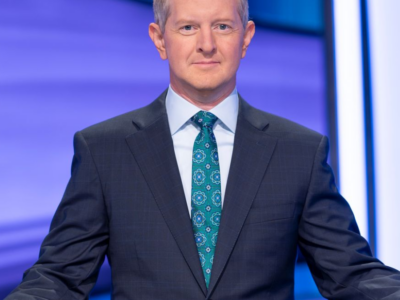
Ken Jennings, best known for his record-breaking run on “Jeopardy!” and his subsequent career as a television host and author, publicly expressed support for the proposed income tax during a recent interview.
Jennings, who has often been associated with a love for knowledge and intellectual debate, argued that implementing an income tax could be a step toward a more equitable society. His comments quickly gained traction on social media, where many applauded his stance as a sign of progressive thinking.
Similarly, Rick Steves, the renowned travel writer and television personality famous for his travel guides and documentaries on European destinations, also voiced his backing for the policy.
Steves emphasized the importance of social responsibility and shared his belief that wealthier residents should contribute their fair share to public coffers. His endorsement was seen as aligning with his broader advocacy for social justice and community support.
The Online Roasting Begins
However, the support from Jennings and Steves did not sit well with all segments of the public. Within hours of their statements, they found themselves at the center of a fierce online roasting campaign.
Critics accused both figures of being out of touch with the realities faced by many residents and small business owners in Washington.
Social media platforms such as Twitter, Facebook, and Reddit erupted with memes, sarcastic comments, and heated debates.
Critics argued that Jennings and Steves, both of whom enjoy significant financial success, should not be advocating for policies that could potentially increase taxes on high earners.
Many users questioned their understanding of the economic implications, suggesting that their support was motivated more by ideology than practical concerns.
The Arguments Against the Income Tax Proposal
Opponents of the income tax proposal have long argued that it could have detrimental effects on Washington’s economy.
They cite studies indicating that high-income residents and entrepreneurs might relocate to states with more favorable tax climates, leading to a brain drain and reduced economic activity.
Furthermore, critics warn that implementing a new income tax could complicate the state’s tax system, create compliance burdens, and foster legal challenges.
Several high-profile business leaders and Republican lawmakers have publicly voiced their opposition, asserting that such a tax would harm the state’s business-friendly reputation.
The Defense from Jennings and Steves
In response to the backlash, both Ken Jennings and Rick Steves issued statements defending their positions. Jennings emphasized that his support for the income tax was rooted in a desire for greater social equity and fairness.
He acknowledged the concerns about economic impact but argued that progressive taxation is a proven method for reducing inequality and funding vital public services.
Rick Steves echoed similar sentiments, highlighting his belief that wealthy individuals have a social responsibility to contribute to the common good. He pointed out that his advocacy was based on principles of fairness and community support, not personal financial gain.
Public Sentiment and the Broader Context

The controversy surrounding Jennings and Steves reflects a larger national debate over taxation, economic policy, and social justice.
As income inequality widens and public services face funding shortages, many communities are grappling with how best to balance fiscal responsibility with social fairness.
In Washington, this debate is particularly intense given the state’s unique economic landscape, including a booming tech industry, high living costs, and a diverse population.
The support for a new income tax represents a significant shift in the state’s fiscal philosophy, prompting passionate opinions from both supporters and detractors.
The Role of Celebrity Endorsements in Political Debates
The incident also highlights the influence of celebrity endorsements and opinions in shaping public discourse.
While public figures like Jennings and Steves can bring attention to important issues, their statements often attract scrutiny and criticism, especially when they touch on complex policy matters.
Critics argue that celebrities should exercise caution when weighing in on economic policies, as their opinions can oversimplify nuanced debates or be perceived as out of touch with everyday realities.
The Future of Washington’s Income Tax Debate
As the debate continues, legislative hearings and public consultations are expected to shape the final decision on whether Washington will implement the proposed income tax.
Polls indicate that public opinion remains divided, with some residents supporting the move as a fair way to fund public services, while others fear economic repercussions.
Both supporters and opponents are mobilizing campaigns to sway public opinion, and the controversy involving Jennings and Steves has added a new dimension to the discourse.
Conclusion: A Reflection of Broader Societal Divisions
The online roasting of Ken Jennings and Rick Steves over their support for Washington’s income tax proposal is more than just a celebrity controversy; it reflects deeper societal divisions over economic policy, social responsibility, and the role of wealth in society.
Their support has ignited a broader conversation about fairness, economic growth, and the responsibilities of the affluent.
As the debate unfolds, it serves as a reminder of how public figures can influence policy discussions and how social media amplifies both support and criticism.
Whether the proposal will pass or not, the controversy underscores the importance of engaging in informed, respectful dialogue about the future of public policy and economic justice in Washington state and beyond.