Nathan Lane Sparks Conversation on The View Over Timothée Chalamet’s Opera and Ballet Remarks
Nathan Lane Sparks Conversation on The View Over Timothée Chalamet’s Opera and Ballet Remarks
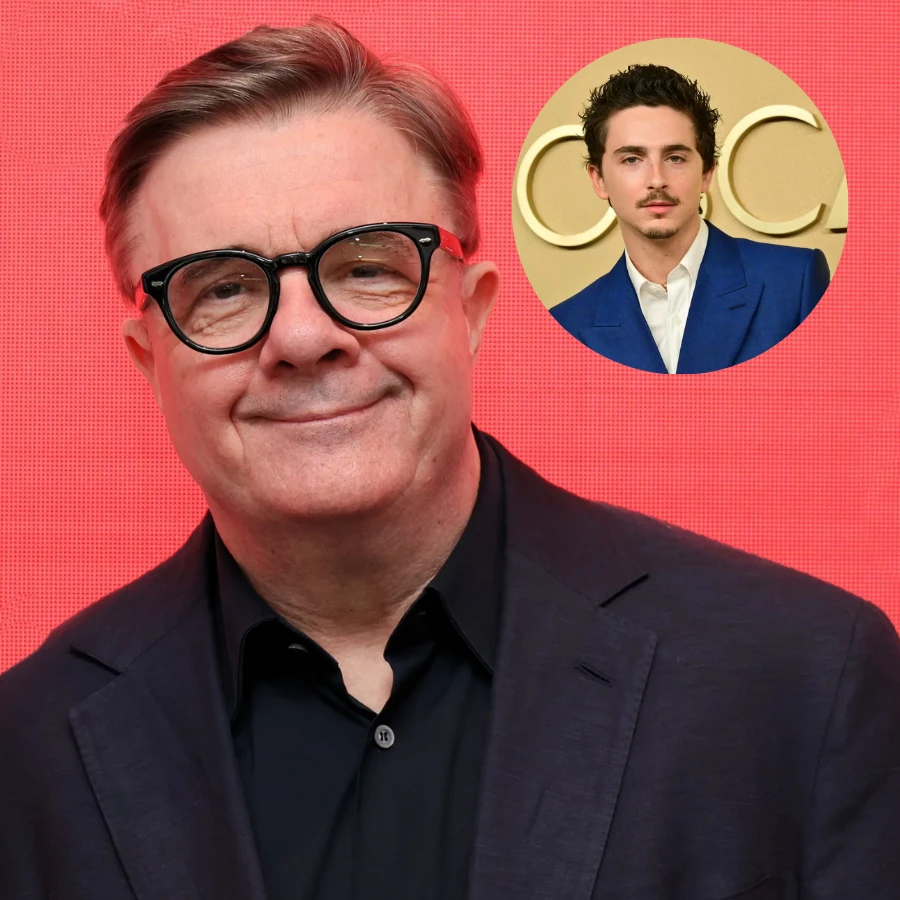
In a recent appearance on the popular daytime talk show The View, renowned actor and Broadway veteran Nathan Lane made headlines by candidly sharing his thoughts on comments made by the acclaimed young actor Timothée Chalamet regarding opera and ballet.
Lane’s outspoken critique has ignited a lively debate among fans, critics, and industry insiders alike, shedding light on the ongoing conversation about the arts, celebrity opinions, and cultural appreciation in today’s entertainment landscape.
The Context: What Did Timothée Chalamet Say?

Before delving into Nathan Lane’s reaction, it’s essential to understand what prompted his fiery response.
Timothée Chalamet, known for his compelling performances in films such as Call Me by Your Name, Dune, and Little Women, has recently spoken publicly about his personal experiences and opinions related to the performing arts.
During interviews and social media posts, Chalamet expressed his admiration for various artistic disciplines, including opera and ballet.
However, some of his comments appeared to downplay or dismiss the significance of these art forms, leading to mixed reactions from audiences and critics.
While Chalamet’s intentions may have been rooted in humility or a desire to connect with a broader audience, his remarks were perceived by some as lacking appreciation for the cultural and historical importance of opera and ballet.
Nathan Lane’s Candid Response: A Strong Stance on Artistic Integrity
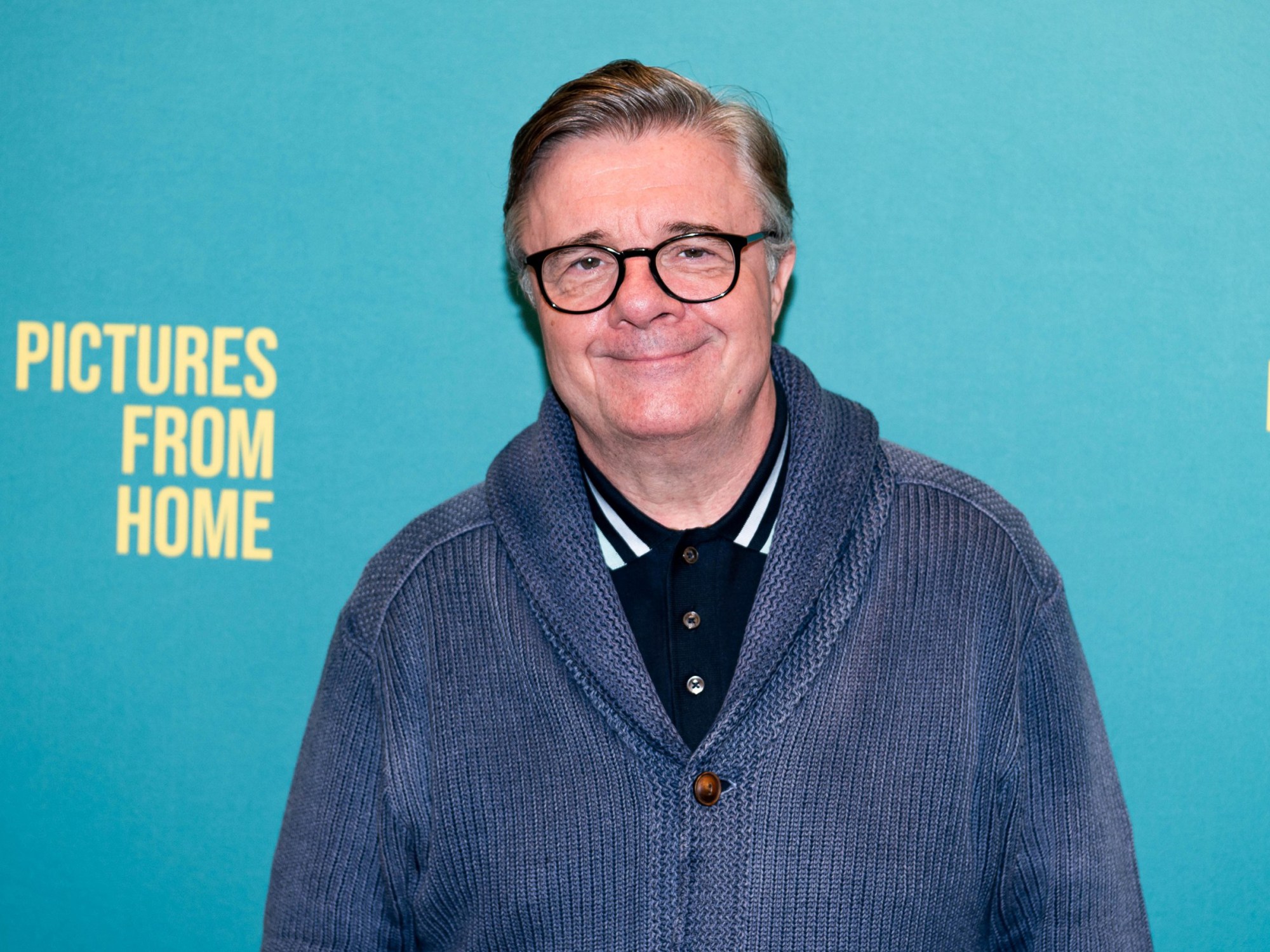
When Nathan Lane took to The View, he didn’t hold back. Known for his quick wit, sharp commentary, and deep respect for the arts, Lane voiced his disapproval of Chalamet’s comments, emphasizing the importance of recognizing the value of traditional art forms like opera and ballet.
In his words, Lane highlighted the significance of these disciplines as pillars of cultural heritage, asserting that dismissing or trivializing them reflects a lack of understanding and respect for the arts’ historical context.
Lane argued that opera and ballet are not just entertainment; they are complex, sophisticated expressions of human emotion, history, and societal evolution.
He stated, “It’s disappointing to hear young actors like Chalamet make light of opera and ballet.
These art forms have survived centuries because they are vital to our cultural fabric.
To dismiss them as outdated or irrelevant is not only inaccurate but also disrespectful to the artists who dedicate their lives to these disciplines.”
The Broader Conversation: Arts, Celebrity Culture, and Cultural Appreciation
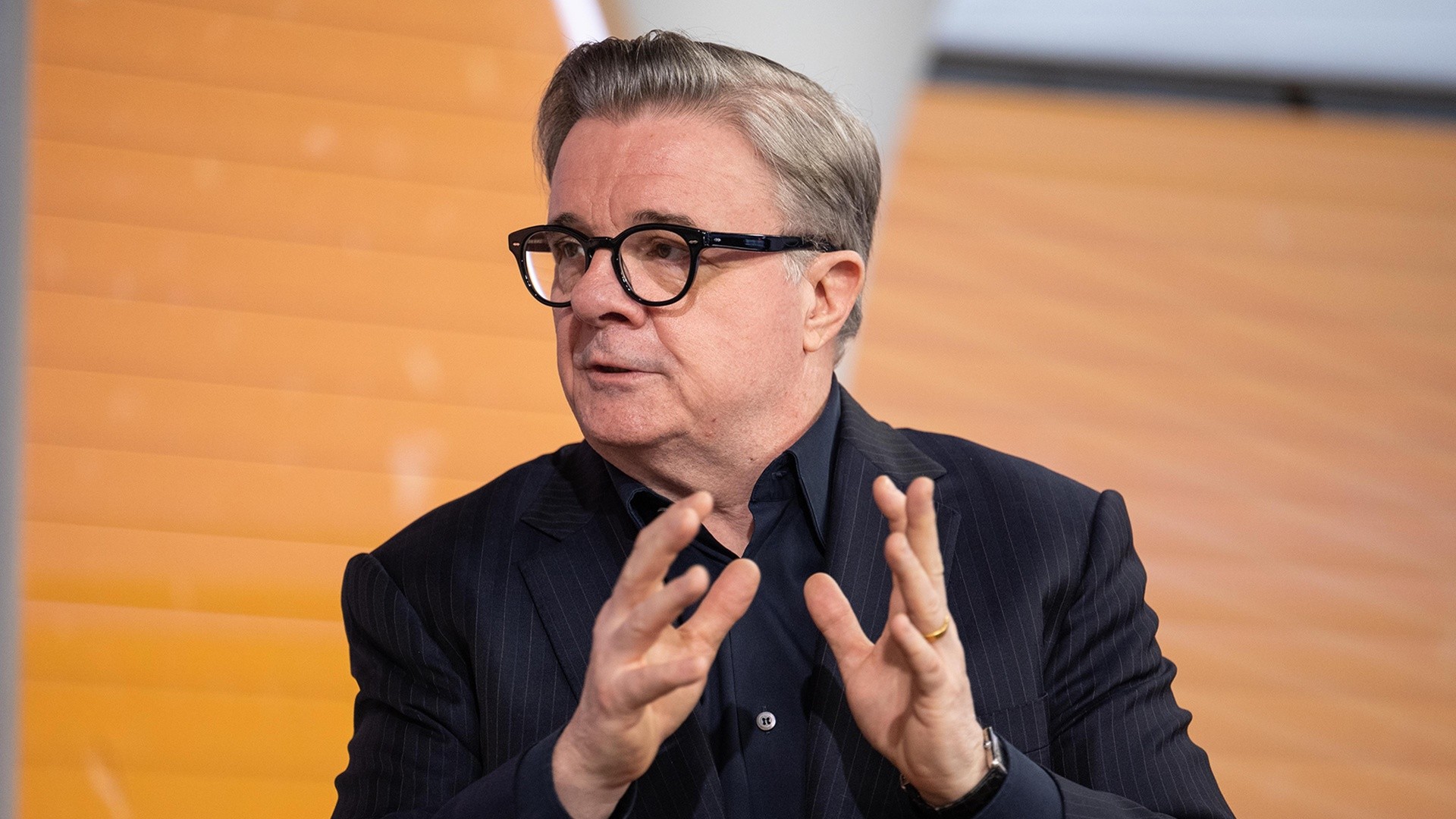
Lane’s outspoken remarks have sparked a broader conversation about how celebrities influence public perceptions of the arts.
In an era where social media amplifies every opinion, the words of high-profile figures like Chalamet and Lane carry significant weight.
Their comments can shape public attitudes toward traditional art forms, either fostering appreciation or perpetuating indifference.
Many critics have praised Lane for his candidness, viewing it as a necessary reminder of the importance of cultural literacy and respect for artistic traditions.
Conversely, some argue that celebrities should have the freedom to express personal opinions without fear of backlash, even if those opinions are controversial or unpopular.
This debate touches on larger issues surrounding cultural elitism, accessibility, and the evolving landscape of entertainment.
As streaming platforms and digital media diversify the types of content available, traditional arts like opera and ballet often struggle to maintain relevance among younger audiences.
Lane’s comments serve as a reminder that these art forms require active advocacy and appreciation to thrive in contemporary society.
The Role of Celebrities in Promoting the Arts
Throughout history, celebrities have played a pivotal role in championing cultural causes and raising awareness about various art forms.
From Elizabeth Taylor’s advocacy for AIDS awareness to Leonardo DiCaprio’s environmental activism, stars have used their platforms to influence public opinion and support meaningful causes.
In the case of Nathan Lane, his reputation as a passionate advocate for theater and the performing arts lends credibility to his critique.
Lane’s career, spanning Broadway, film, and television, exemplifies a lifelong commitment to artistic excellence.
His outspoken stance on The View underscores his belief that celebrities have a responsibility to promote cultural literacy and respect for the arts.
Moreover, Lane’s comments highlight the importance of mentorship and education within the entertainment industry.
By speaking out, he encourages aspiring actors and artists to appreciate the rich history and significance of traditional art forms, fostering a new generation of cultural custodians.
Audience Reactions: Support and Criticism
The response to Lane’s comments has been diverse. Many fans and industry colleagues have expressed support, praising his dedication to preserving the integrity of classical arts.
Social media platforms have been flooded with messages of agreement, with users sharing their own experiences with opera and ballet and emphasizing their importance.
However, there has also been criticism. Some argue that Lane’s comments may come across as dismissive of contemporary artistic expressions and that the arts should evolve to include new voices and perspectives.
Others believe that celebrity opinions should be taken with a grain of salt, as personal preferences vary widely.
This polarization reflects the ongoing tension between tradition and innovation in the arts.
While some advocate for preserving classical disciplines, others champion the democratization and diversification of artistic expression.
The Future of Opera and Ballet in Popular Culture
The debate sparked by Nathan Lane and Timothée Chalamet underscores the challenges faced by traditional arts in maintaining relevance in modern society.
To ensure their survival and growth, opera and ballet must adapt to changing cultural landscapes.
Innovative initiatives, such as incorporating contemporary themes, leveraging digital media, and engaging with younger audiences through social media campaigns, are vital.
Collaborations with popular artists, inclusion in mainstream entertainment, and educational outreach can also help bridge the gap between traditional arts and modern audiences.
Furthermore, prominent figures like Lane can serve as ambassadors, advocating for the arts and inspiring appreciation among diverse demographics.
By emphasizing the cultural and emotional depth of opera and ballet, advocates can foster a renewed interest and respect for these timeless disciplines.
Conclusion: A Call for Respect and Appreciation
Nathan Lane’s outspoken critique of Timothée Chalamet’s comments on The View has reignited an important conversation about the value of traditional arts in contemporary culture.
His passionate defense of opera and ballet underscores the need for greater appreciation, respect, and advocacy for these art forms.
As society continues to evolve, so too must our approach to preserving and promoting cultural heritage.
Celebrities, industry leaders, and audiences alike have a role to play in ensuring that opera, ballet, and other classical disciplines remain vibrant, relevant, and accessible for generations to come.
By fostering dialogue, embracing innovation, and honoring the rich history of these art forms, we can create a future where traditional arts thrive alongside modern entertainment, enriching our cultural landscape and inspiring future generations.