Dwayne Johnson Sparks Conversation with Defiant Statement on Cultural Pride and Fashion at the Met Gala
Dwayne Johnson Sparks Conversation with Defiant Statement on Cultural Pride and Fashion at the Met Gala
In an era where fashion continues to evolve beyond traditional boundaries, celebrities often use high-profile events to challenge societal norms and promote cultural pride.
One such moment that has recently captured global attention involves Hollywood superstar and former wrestling icon Dwayne “The Rock” Johnson.
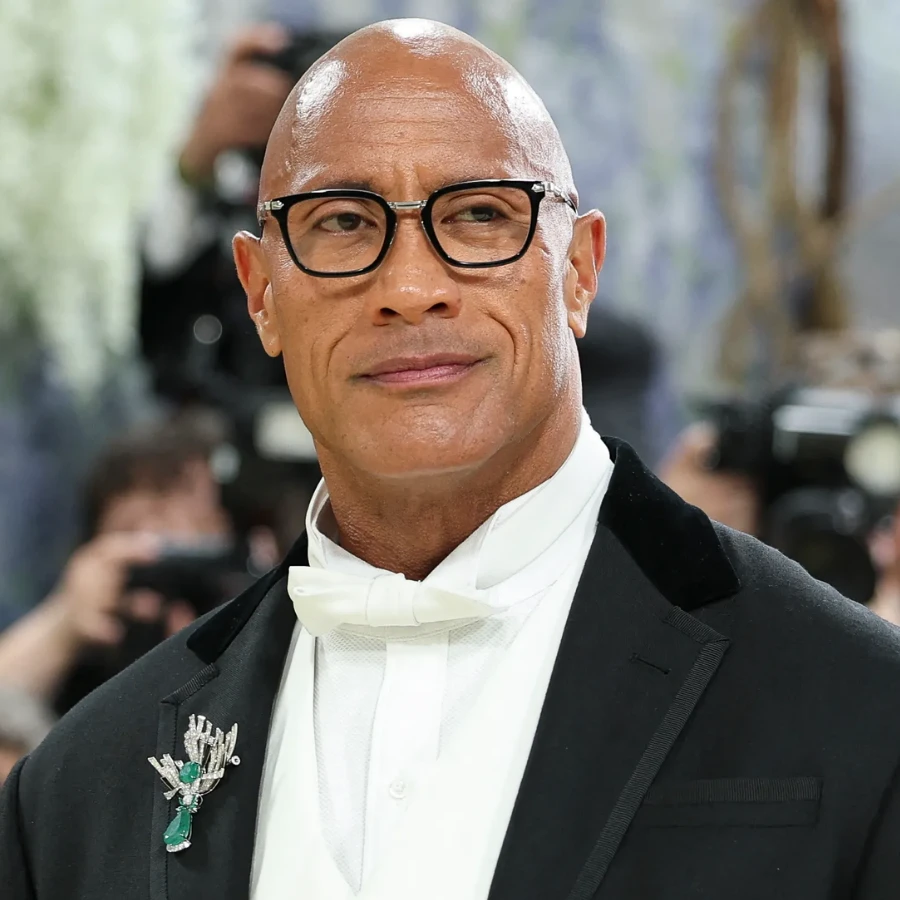
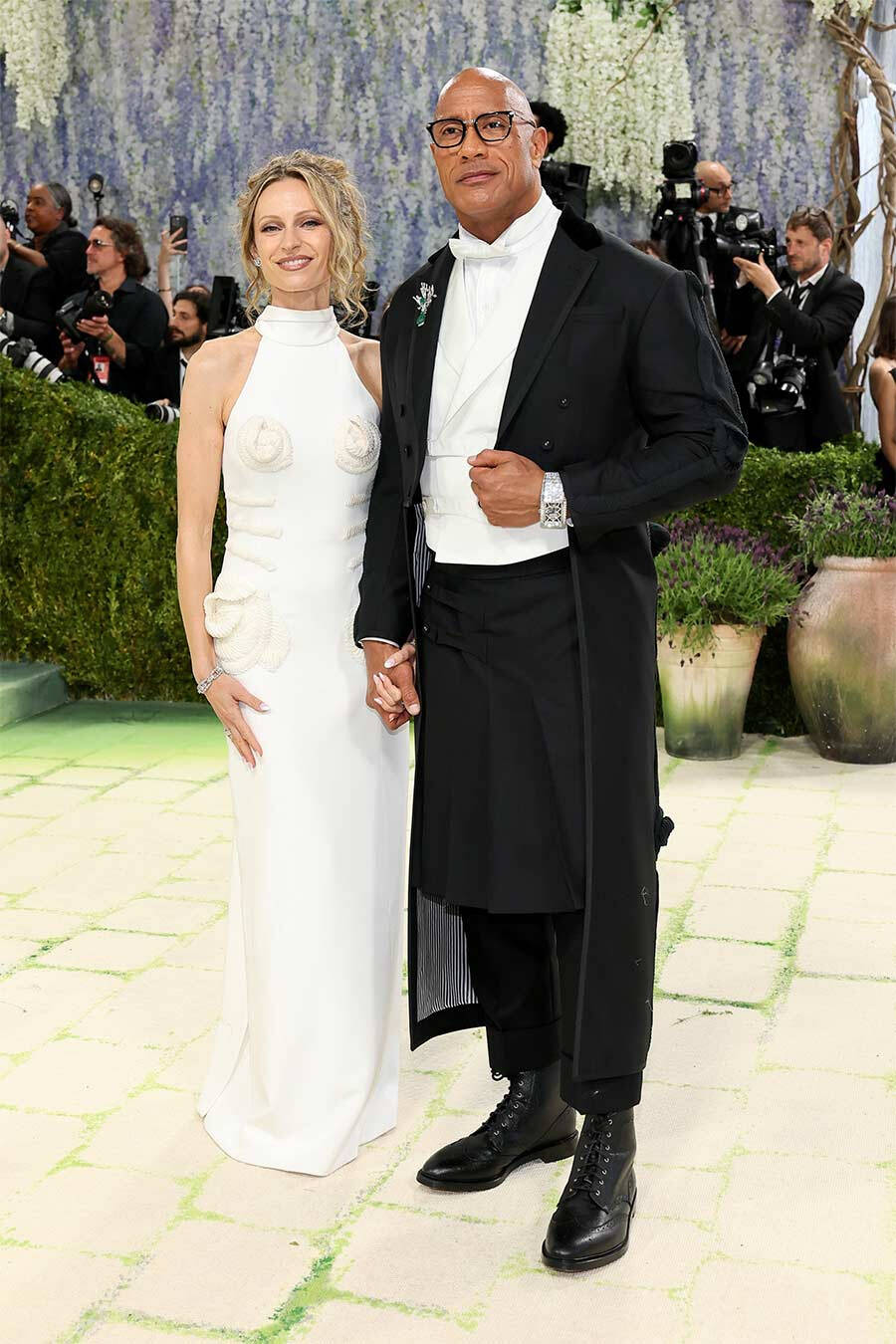
During his appearance at the prestigious Met Gala, Johnson made a bold statement by wearing a skirt, a choice that sparked widespread discussion about masculinity, cultural heritage, and fashion.
Johnson’s public declaration, “In our culture, Polynesian culture, we rock lavalavas and we rock skirts. The most masculine men, not that I’m,” resonated deeply with audiences worldwide.
It highlighted the importance of embracing cultural identity and challenged stereotypes surrounding masculinity and traditional gender roles.
This article delves into the significance of Johnson’s statement, exploring the cultural roots of lavalavas, the evolving perception of masculinity, and the broader implications for fashion and identity in contemporary society.
The Cultural Significance of Lavalavas in Polynesian Society

A Rich Heritage Rooted in Tradition
Lavalavas, also known as sarongs or wraps, are traditional garments worn across various Polynesian cultures, including those of Samoa, Tonga, Tahiti, Fiji, and Hawaii.
These garments are more than mere clothing; they embody a deep cultural heritage, symbolizing identity, social status, and community belonging.
In Polynesian societies, lavalavas are worn during everyday activities, ceremonies, and significant cultural events.
They are often crafted from vibrant fabrics featuring intricate patterns and symbols that tell stories of ancestors, legends, and spiritual beliefs.
The act of wearing a lavalava is a proud expression of cultural pride, and it connects individuals to their roots and history.
The Role of Lavalavas in Cultural Rituals and Celebrations
Throughout Polynesia, lavalavas are integral to various rituals, including weddings, religious ceremonies, and festivals.
For instance, in Samoa, the lavalava is a symbol of respect and humility, often worn during formal occasions and community gatherings. Similarly, in Hawaii, the malo (a type of lavalava) is worn during hula performances and cultural ceremonies, reinforcing cultural continuity.
The significance of lavalavas extends beyond their aesthetic appeal; they serve as a means of preserving cultural identity in a rapidly changing world.
Wearing a lavalava is an act of cultural affirmation, asserting pride in Polynesian heritage amidst globalization and Western influence.
Challenging Stereotypes: The Intersection of Masculinity and Traditional Attire
The Evolution of Masculinity in Modern Society
Historically, masculinity has been associated with traits such as strength, stoicism, and a strict adherence to traditional gender roles.
Men were expected to dress in ways that emphasized their masculinity—suits, jeans, and other “masculine” attire—while anything perceived as feminine or non-conforming was often stigmatized.
However, contemporary society is witnessing a paradigm shift. The rigid notions of masculinity are giving way to a more inclusive understanding that embraces diversity, self-expression, and cultural authenticity.
Influential figures, including celebrities, athletes, and activists, are challenging stereotypes and redefining what it means to be masculine.
Dwayne Johnson’s Statement as a Cultural Reclamation
In this context, Dwayne Johnson’s choice to wear a skirt at the Met Gala is more than a fashion statement; it is a declaration of cultural pride and a challenge to outdated notions of masculinity.
By asserting that “the most masculine men” can wear lavalavas and skirts, Johnson is advocating for a broader, more inclusive understanding of strength and identity.
His words serve as a reminder that masculinity is not confined to a narrow set of appearances or behaviors. Instead, true masculinity encompasses confidence, authenticity, and respect for one’s heritage.
Johnson’s stance encourages men worldwide to embrace their cultural roots and express themselves freely, regardless of societal expectations.
The Met Gala: A Platform for Cultural Expression and Fashion Innovation

The Significance of the Met Gala in Fashion and Culture
The Met Gala, held annually in New York City, is one of the most anticipated events in the fashion calendar.
Organized by the Costume Institute of the Metropolitan Museum of Art, the Gala serves as a fundraiser and a showcase for innovative, avant-garde fashion.
Celebrities and designers use the event to push boundaries, challenge conventions, and make statements that resonate beyond the runway.
Over the years, it has become a platform for cultural dialogue, social activism, and artistic expression.
Dwayne Johnson’s Impactful Appearance
When Johnson chose to wear a skirt, it was a deliberate act that aligned with the Gala’s spirit of creativity and cultural dialogue.
His attire was not merely about aesthetics; it was a statement rooted in cultural authenticity and the celebration of Polynesian heritage.
By doing so, Johnson drew attention to the rich traditions of his culture, elevating lavalavas from everyday attire to symbols of pride and resilience.
His appearance sparked conversations about cultural representation in fashion, encouraging a more inclusive and diverse industry.
Broader Implications for Fashion and Society
Breaking Barriers and Promoting Cultural Diversity
Johnson’s stance is part of a larger movement toward embracing cultural diversity in fashion.
Increasingly, designers and celebrities are incorporating traditional garments and motifs into mainstream fashion, challenging eurocentric standards and celebrating global heritage.
This shift promotes a more inclusive industry where people of all backgrounds can see themselves represented and respected.
It also encourages younger generations to take pride in their cultural identities and express themselves authentically.
Redefining Masculinity in the 21st Century
The conversation initiated by Johnson’s choice extends beyond fashion. It touches on broader societal issues related to gender roles, stereotypes, and acceptance.
As more men feel empowered to wear clothing that reflects their personality and heritage, traditional notions of masculinity are being redefined.
This evolution fosters a more accepting society where individuals are free to explore their identities without fear of judgment or discrimination.
It also highlights the importance of representation and visibility in shaping cultural norms.
Public Reactions and Media Coverage
Support from Cultural Advocates and Celebrities
Johnson’s statement and appearance received widespread support from cultural advocates, fellow celebrities, and fans.
Many praised him for challenging stereotypes and promoting cultural pride.
Prominent figures in the fashion industry also lauded his boldness, emphasizing the importance of representation and diversity.
Social media platforms buzzed with hashtags celebrating Polynesian culture and encouraging others to embrace their heritage.
Criticism and Debates
While the majority lauded Johnson’s stance, some critics questioned the appropriateness of traditional attire in modern fashion contexts.
Debates emerged about cultural appropriation versus appreciation, emphasizing the need for respectful representation and understanding.
These discussions underscore the complexity of cultural expression in globalized fashion, highlighting the importance of dialogue and education.
Conclusion: A Step Toward Cultural Pride and Inclusivity
Dwayne Johnson’s decision to wear a skirt at the Met Gala and his subsequent statement affirming the cultural significance of lavalavas exemplify how fashion can serve as a powerful tool for cultural expression and societal change.
His words and actions challenge outdated stereotypes, promote inclusivity, and celebrate the rich heritage of Polynesian culture.
As society continues to evolve, the boundaries of fashion and masculinity are expanding, allowing individuals to embrace their identities with confidence and pride.
Johnson’s stance serves as an inspiring reminder that true strength lies in authenticity, respect for one’s roots, and the courage to challenge conventions.
In a world increasingly defined by diversity and inclusion, acts like Johnson’s pave the way for a future where everyone can wear their culture—and their truth—with pride.