David Letterman Blasts CBS Owners as “Lying Weasels” Following Cancellation of The Late Show with Stephen Colbert
David Letterman Blasts CBS Owners as “Lying Weasels” Following Cancellation of The Late Show with Stephen Colbert
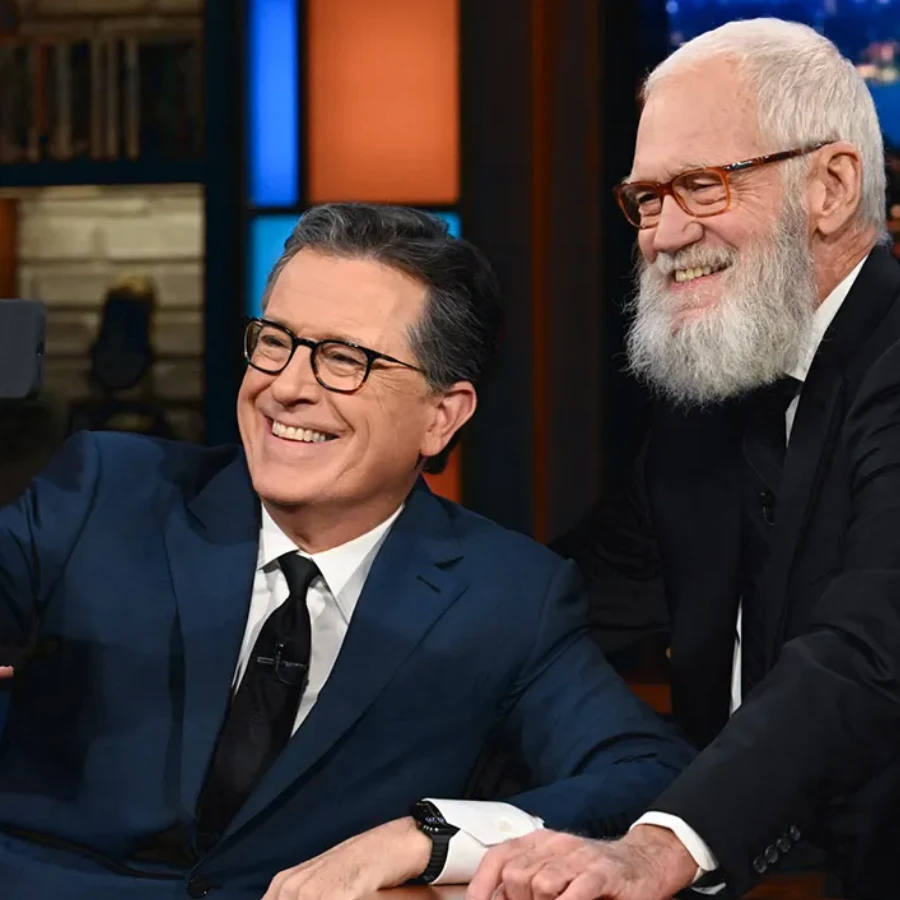
In a candid and fiery response, veteran television host David Letterman has publicly criticized the owners of CBS, calling them “lying weasels” after the network announced the cancellation of The Late Show hosted by Stephen Colbert.
This unexpected move has sent shockwaves through the entertainment industry, prompting widespread speculation, debate, and concern among fans, industry insiders, and media analysts alike.
The Background: A Sudden Shift in CBS’s Late-Night Lineup
For decades, CBS has been a dominant force in American late-night television, with The Late Show serving as a flagship program that has consistently attracted millions of viewers.
Stephen Colbert, who took over the hosting duties in 2015, had managed to carve out a significant niche in the competitive late-night landscape, known for his sharp satire, political commentary, and engaging interviews.
However, in a surprising move announced earlier this week, CBS executives revealed that The Late Show with Stephen Colbert would be canceled effective immediately, citing “financial reasons” as the primary justification.
The decision has stunned fans and industry observers, especially given the show’s recent ratings stability and its influence on political discourse.
The cancellation marks a significant shift in CBS’s programming strategy, raising questions about the network’s long-term vision and its approach to late-night entertainment.
While CBS has historically prioritized profitability and market share, critics argue that this decision signals a broader trend of declining investment in quality programming amid corporate restructuring and cost-cutting measures.
David Letterman’s Outspoken Criticism: Calling Out the Network

Amidst the chaos and controversy surrounding CBS’s decision, David Letterman, one of the most iconic figures in late-night television history, has emerged as a vocal critic of the network’s management.
Known for his candidness and no-nonsense attitude, Letterman did not hold back when addressing the situation.
In a recent interview, Letterman referred to CBS’s owners as “lying weasels,” a pointed and emotionally charged critique that underscores his disdain for what he perceives as dishonesty and betrayal from the network’s executives.
“They’re a bunch of lying weasels,” Letterman stated plainly, “and they’ve shown their true colors now that they’ve decided to pull the plug on one of the most respected late-night shows in history.”
This statement has resonated deeply within the entertainment community, sparking a wave of support from fans and fellow industry veterans who see Letterman’s words as a rallying cry against corporate greed and shortsightedness.
The Roots of the Conflict: Corporate Interests vs. Artistic Integrity

To understand the gravity of Letterman’s harsh words, it’s essential to examine the broader context of corporate interests in television programming.
Over the past decade, major networks like CBS have faced mounting pressure to maximize profits amid declining advertising revenues, increased competition from streaming platforms, and changing viewer habits.
Many industry insiders argue that these economic pressures have led to a prioritization of short-term financial gains over artistic integrity and audience loyalty.
In this climate, programming decisions are often driven by cost-cutting measures, ratings metrics, and shareholder interests rather than creative vision or cultural impact.
The decision to cancel The Late Show with Colbert appears to be a culmination of these trends.
Critics contend that CBS’s management, influenced by corporate executives focused on quarterly profits, has sacrificed a beloved cultural institution for immediate financial relief.
This move has been perceived by many as emblematic of a broader decline in the quality and diversity of late-night programming.
Letterman’s fiery critique can be seen as a reflection of this frustration.
As a pioneer who helped define modern late-night television, his outspoken condemnation underscores the perceived betrayal of the audience and the erosion of the genre’s integrity.
The Impact on the Industry and Audience

The fallout from CBS’s decision extends beyond mere programming schedules.
For many viewers, The Late Show with Colbert represented more than just entertainment; it was a platform for political discourse, social commentary, and cultural reflection.
Its cancellation raises concerns about the future of late-night television as a space for critical engagement and diverse voices.
Industry analysts warn that this move could set a dangerous precedent, encouraging other networks to prioritize profits over quality content.
The loss of a flagship program like Colbert’s show may also lead to a ripple effect, impacting the careers of talented writers, producers, and performers associated with the show.
Fans have expressed their disappointment and outrage across social media platforms, with hashtags trending under #SaveLateNight and CBSLies.
Many have organized protests and petitions demanding reconsideration of the decision, highlighting the deep emotional connection viewers have with the program.
The Broader Cultural Implications
The controversy surrounding CBS’s decision also touches on larger themes of media consolidation, censorship, and the commercialization of art.
Critics argue that when corporations prioritize profits above all else, they risk undermining the cultural fabric that late-night television has historically contributed to.
Late-night shows like Colbert’s are often tasked with holding power to account, providing satire and critical commentary on current events.
Their cancellation raises questions about the future of independent journalism and free speech in the entertainment industry.
Furthermore, the move has ignited debates about the role of corporate ownership in shaping public discourse.
As media conglomerates become increasingly centralized, the diversity of perspectives available to the public may diminish, leading to a more homogenized and less critical media landscape.
The Response from Industry Insiders and Political Figures
In the wake of the cancellation and Letterman’s outspoken comments, several industry insiders and political figures have weighed in.
Some have expressed support for Letterman’s stance, criticizing CBS’s management for undermining the integrity of late-night comedy and commentary.
Prominent voices include former colleagues, fellow comedians, and even some politicians who view the move as a setback for free expression.
“When a network sacrifices a platform for honest discussion in favor of profit margins, it’s a loss for democracy,” said a well-known political analyst.
Meanwhile, CBS has issued a statement defending their decision, citing “business realities” and emphasizing their commitment to delivering value to shareholders.
The network’s spokesperson reiterated that the cancellation was purely financially motivated, dismissing claims of ideological or cultural motives.
What’s Next for David Letterman and the Future of Late Night?
David Letterman’s outspoken criticism has reignited discussions about the future of late-night television and the role of veteran hosts in advocating for artistic integrity.
Although retired from regular broadcasting, Letterman remains an influential figure whose opinions carry weight within the industry.
Many speculate that his comments could inspire a new wave of advocacy for independent and alternative programming, potentially leading to the emergence of new platforms dedicated to quality content free from corporate interference.
As for CBS, the controversy may prompt internal reassessment of their programming strategies and corporate culture.
The network faces mounting pressure from fans, industry peers, and cultural critics to reconsider their approach and prioritize content that serves the public interest.
Conclusion: A Turning Point in Television History?
The recent upheaval at CBS marks a critical juncture in the evolution of American television.
The firing of The Late Show with Colbert, coupled with David Letterman’s pointed critique, underscores the tension between commercial interests and cultural responsibility.
While the future remains uncertain, one thing is clear: the debate over the role of corporate ownership in shaping media content is more relevant than ever.
As viewers, creators, and industry stakeholders grapple with these issues, the importance of preserving diverse voices and independent journalism in late-night TV cannot be overstated.
David Letterman’s candid words serve as a stark reminder of what is at stake — the integrity of a genre that has historically reflected, challenged, and enriched American society.
Whether this controversy will lead to meaningful change or simply fade into the background remains to be seen, but it has undoubtedly ignited a vital conversation about the future of entertainment and free speech in the digital age.