Barry Manilow’s Vocal Journey: An In-Depth Look at His Recent Revelation and Musical Legacy
Barry Manilow’s Vocal Journey: An In-Depth Look at His Recent Revelation and Musical Legacy
In the world of music, few artists have left as indelible a mark as Barry Manilow. With a career spanning over five decades, the legendary singer-songwriter has become a household name, renowned for his timeless hits, heartfelt ballads, and distinctive voice that has captivated audiences worldwide.
However, recent revelations from Manilow have sparked conversations among fans, critics, and industry insiders alike. In an exclusive interview with Good Morning America, the Grammy-winning artist disclosed that his vocal abilities have been affected in recent times, attributing the changes to health issues he has faced following a series of treatments.
This candid admission has prompted widespread discussion about the challenges aging artists encounter, the impact of health on vocal performance, and the enduring legacy of Barry Manilow’s music.
In this comprehensive article, we delve into the details of his recent statements, explore his illustrious career, analyze the potential reasons behind his vocal changes, and reflect on what this means for his future in the music industry.
The Career of Barry Manilow: A Musical Icon

Early Beginnings and Rise to Fame
Barry Manilow was born on June 17, 1943, in Brooklyn, New York. From a young age, he demonstrated a remarkable talent for music, piano, and songwriting.
His early years were marked by a deep passion for creating melodies and lyrics that resonated with listeners on an emotional level.
After studying at the New York College of Music, Manilow began working as a commercial jingle writer, crafting memorable advertising tunes that showcased his knack for catchy melodies and lyrical storytelling.
His breakthrough came in the early 1970s when he signed with Bell Records, and his debut album, Barry Manilow, was released in 1973.
The album contained the hit “Mandy,” which skyrocketed him to fame and established him as a rising star in the American music scene.
From there, his career took off exponentially, with a string of chart-topping singles and albums.
Chart-Topping Hits and Signature Songs

Barry Manilow’s discography is filled with iconic songs that have become staples of pop and adult contemporary music. Some of his most famous tracks include:
“Mandy” (1974): An emotional ballad that became his first major hit.
“Can’t Smile Without You” (1978): A song that exudes warmth and positivity, often associated with comfort and nostalgia.
“Copacabana (At the Copa)” (1978): A lively, theatrical tune that showcases his storytelling prowess.
“I Write the Songs” (1975): A self-referential anthem celebrating songwriting and musical creativity.
“Weekend in New England” (1976): A romantic ballad capturing the essence of love and longing.
His music is characterized by lush arrangements, melodic richness, and lyrics that often explore themes of love, heartbreak, hope, and resilience. His distinctive voice, smooth and emotive, became his signature, endearing him to fans across generations.
Awards, Accolades, and Industry Recognition

Throughout his career, Barry Manilow has received numerous awards and honors, solidifying his status as one of the most successful and influential artists of his time. His accolades include:
Multiple Grammy nominations and wins.
An Emmy Award for his television specials.
A star on the Hollywood Walk of Fame.
The Songwriters Hall of Fame induction.
Billboard Music Awards and American Music Awards.
His contributions to music and entertainment extend beyond recording; he has also been a prolific performer, touring extensively worldwide, and maintaining a dedicated fanbase that spans multiple age groups.
The Recent Revelation: A Voice in Transition
The Interview with Good Morning America
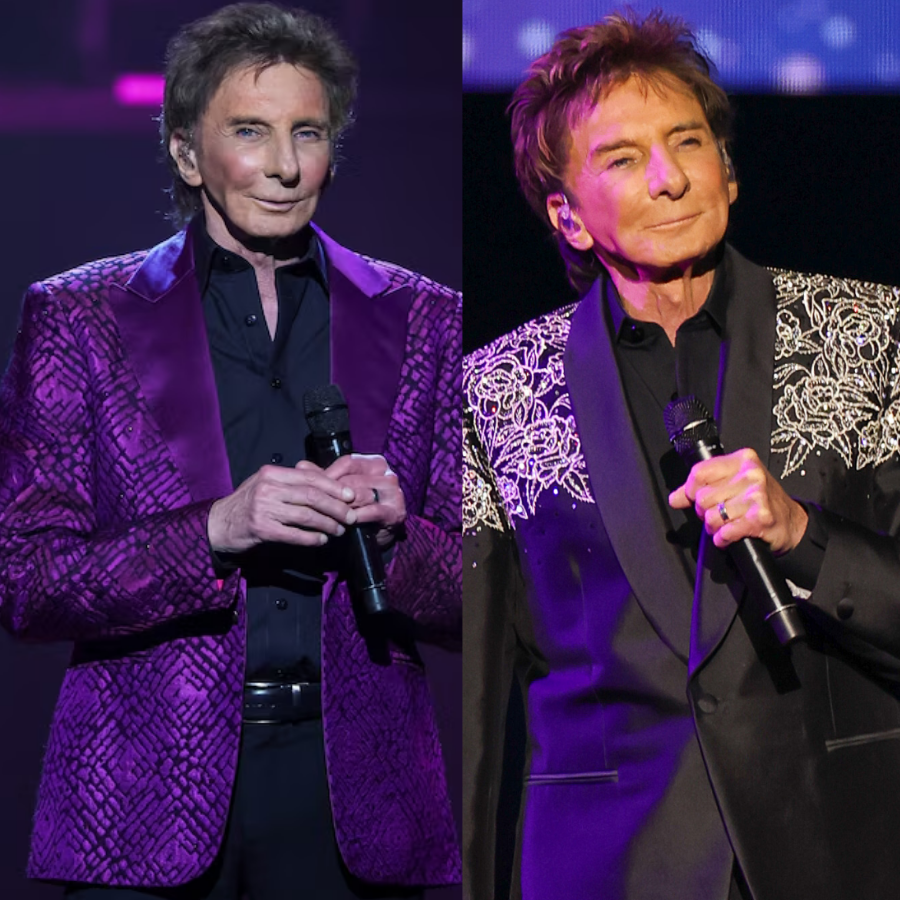
In a candid and heartfelt interview broadcasted recently on Good Morning America, Barry Manilow opened up about his health struggles and the impact they’ve had on his singing voice.
The interview, which garnered widespread attention, was characterized by his openness and vulnerability—a rare glimpse into the personal challenges faced by a legendary artist.
During the interview, Manilow explained that he had undergone medical treatment for a health condition that, unfortunately, affected his vocal cords.
While he did not specify the exact nature of the illness, he hinted that the treatments, which were necessary for his overall health, had inadvertently taken a toll on his singing ability.
The Impact on His Singing Voice
Manilow stated, “My voice has taken a hit following my treatment, and it’s been a difficult adjustment.” He expressed a mixture of acceptance and hope, emphasizing that while his vocal range and power have diminished, his passion for music remains unchanged.
The singer acknowledged that his recent performances have not matched the vocal excellence of his earlier years but underscored his commitment to continue performing and connecting with his audience.
Fans’ Reactions and Industry Response
The revelation has elicited a wave of support from fans worldwide, many expressing understanding and admiration for his honesty.
Social media platforms are flooded with messages of encouragement, recalling his timeless hits and wishing him well in his recovery and future endeavors.
Industry insiders have also weighed in, highlighting the physical and emotional toll that health issues can impose on performers, especially those who have relied heavily on their vocal prowess.
Experts have noted that as singers age, their voices naturally change, but health complications can accelerate or exacerbate these shifts.
The Challenges of Aging and Vocal Health
How Age Affects the Singing Voice
Aging is an inevitable process that influences every aspect of the human body, including the voice. For singers like Barry Manilow, whose career has been built around a distinctive vocal style, these changes can be particularly challenging. Some of the common effects of aging on the voice include:
Reduced vocal range.
Decreased vocal strength and projection.
Changes in vocal tone and texture.
Increased vocal fatigue.
Greater susceptibility to vocal injuries or health issues.
While many artists adapt their singing styles over time, maintaining vocal health remains crucial. Regular vocal training, proper technique, and medical care are essential components in preserving a singer’s voice as they age.
Health Issues and Their Impact on Singers
Health problems such as vocal cord nodules, polyps, or inflammation can significantly impair vocal performance.
Treatments like surgery, medication, or radiation therapy—often necessary for conditions like cancer or other serious illnesses—can have side effects that affect vocal cords and overall voice quality.
In Barry Manilow’s case, the treatments he underwent, although vital for his health, may have led to scarring, inflammation, or other issues that diminish vocal flexibility and strength. Such challenges are not unique to him; many aging performers face similar hurdles, balancing health needs with their passion for singing.
The Resilience of Artists
Despite these obstacles, many artists demonstrate resilience and adaptability. Some choose to modify their repertoire, focusing on songs that suit their current vocal capabilities.
Others explore new ways to connect with audiences, such as through storytelling, stage presence, or emotional delivery.
Barry Manilow’s openness about his vocal challenges exemplifies honesty and humility, qualities that resonate deeply with fans and fellow artists alike.
The Future of Barry Manilow’s Musical Career
Continuing to Perform and Inspire
While Barry Manilow has acknowledged the limitations of his voice, he remains committed to performing and sharing his music. His recent performances, though different from his earlier concerts, continue to touch audiences with their sincerity and emotional depth.
He has also expressed interest in exploring new avenues within music, such as songwriting collaborations, producing, or mentoring younger artists. His vast experience and musical expertise make him a valuable resource in the industry, regardless of vocal changes.
Possible Artistic Adjustments
Many artists facing similar challenges adapt their performances by:
Focusing on emotional delivery rather than vocal power.
Selecting songs that suit their current vocal range.
Using technology, such as vocal enhancement tools, during recordings or live shows.
Emphasizing storytelling and stage presence to compensate for vocal limitations.
Barry Manilow’s legacy is built on more than just his voice; it’s rooted in his songwriting, melodies, and ability to connect emotionally with his audience. These qualities will undoubtedly remain central to his artistic identity moving forward.
Fans and Industry Anticipation
Fans eagerly await his upcoming performances and new projects, hopeful that he will continue to inspire with his resilience and artistry. Industry insiders recognize that even with vocal changes, Barry Manilow’s influence persists, and his contributions to music continue to resonate.
Reflection: The Enduring Legacy of Barry Manilow
Barry Manilow’s recent candidness about his vocal health issues underscores a universal truth: even the most talented artists face challenges that test their resilience. His openness fosters a deeper appreciation for his artistry and humanizes a figure often seen as larger-than-life.
His legacy is not solely defined by his vocal prowess but also by his songwriting, emotional expression, and ability to uplift audiences. As he navigates this new chapter, fans and critics alike admire his honesty, strength, and unwavering dedication to his craft.
Conclusion
Barry Manilow’s journey in the music industry has been nothing short of extraordinary. From his humble beginnings in Brooklyn to becoming a global icon, his music has touched millions. His recent revelation about the impact of health treatments on his voice highlights the realities faced by aging artists and the importance of health and well-being.
While his vocal abilities may have changed, his influence endures. Barry Manilow remains a symbol of resilience, artistry, and heartfelt storytelling. As he continues to perform and inspire, his legacy will undoubtedly continue to shine brightly, reminding us all of the enduring power of music and the human spirit.