Aqua Breaks Up Nearly 30 Years After Their Iconic Hit “Barbie Girl” Dominated the Charts
Aqua Breaks Up Nearly 30 Years After Their Iconic Hit “Barbie Girl” Dominated the Charts
In a surprising announcement that has sent shockwaves through the music industry and nostalgic fans worldwide, the Danish-Norwegian dance-pop group Aqua has officially disbanded nearly three decades after their meteoric rise to fame.
Best known for their infectious hit “Barbie Girl,” which became a cultural phenomenon in the late 1990s, Aqua’s breakup marks the end of an era for one of the most memorable pop acts of the late 20th century.
This news has reignited discussions about the longevity of pop groups, the impact of their music, and the changing landscape of the global music industry.
The Rise of Aqua: From Denmark to Worldwide Fame

Formed in 1994 in Copenhagen, Aqua quickly gained recognition with their unique blend of bubblegum pop, dance, and eurodance influences.
Their debut album, Aquarium, released in 1997, featured the chart-topping single “Barbie Girl,” which skyrocketed to international fame.
The song’s catchy melody, playful lyrics, and satirical commentary on consumer culture made it an instant hit, dominating radio waves and music charts worldwide.
“Barbie Girl” became a cultural touchstone, transcending age and nationality.
Its provocative lyrics and vibrant music video sparked both controversy and admiration, propelling Aqua into the global spotlight.
The song’s success was complemented by other hits like “Doctor Jones” and “Turn Back Time,” solidifying their status as pop icons.
The Cultural Impact of “Barbie Girl”
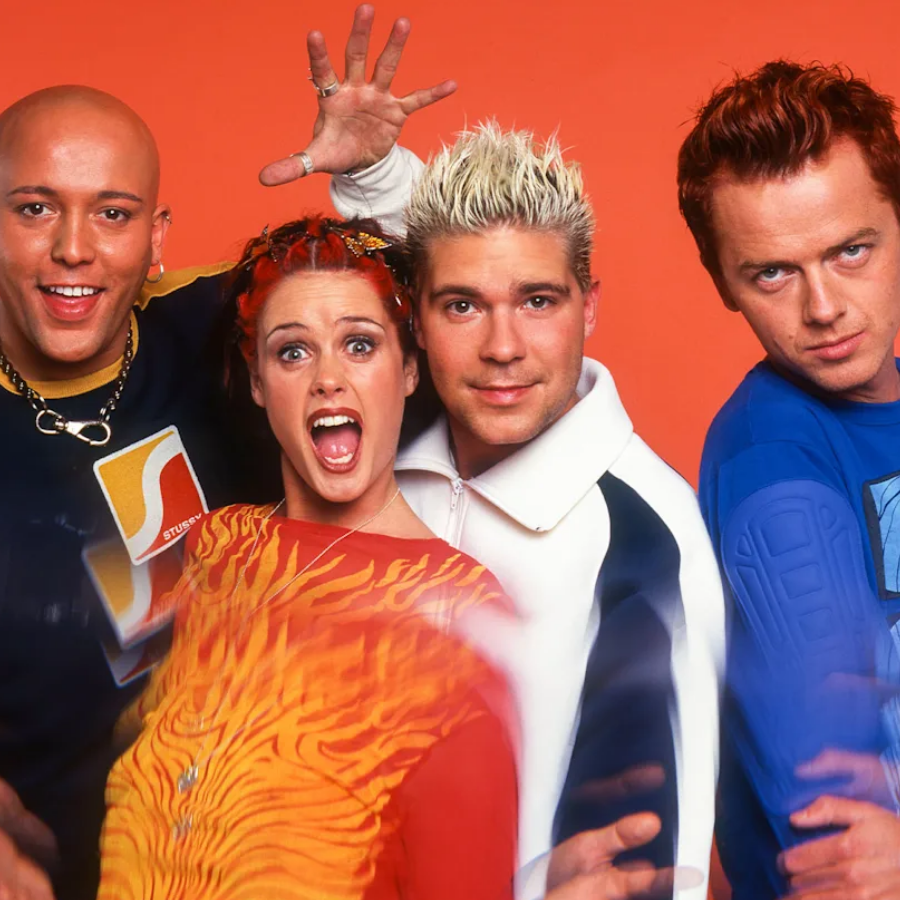
:max_bytes(150000):strip_icc():focal(1031x510:1033x512)/Aqua-Soren-Rasted-Rene-Dif-Lene-Nystrom-Claus-Norreen-2000-051826-1e3b405132dc47e7bd4dff70bdb4d0d9.jpg)
“Barbie Girl” wasn’t just a song; it was a phenomenon that defined an era. Its satirical take on the Barbie doll and the idealized image of femininity challenged societal norms and sparked debates about consumerism, gender roles, and media influence.
The song’s playful yet provocative nature made it a favorite among fans and critics alike.
The accompanying music video, featuring animated characters and vibrant visuals, became iconic.
The track’s popularity was amplified by its viral spread across MTV, radio, and early internet platforms, making it one of the most recognizable songs of the late 1990s.
The Journey Through the Years: Aqua’s Career and Challenges

Following their initial success, Aqua released subsequent albums, including Aquarius in 2000 and Megalomaniac in 2011.
While they continued to produce music and perform, their popularity waned compared to the explosive success of “Barbie Girl.”
Nonetheless, the group maintained a dedicated fanbase and continued to perform in various countries, often drawing nostalgic crowds eager to relive the heyday of late 90s pop.
Throughout their career, Aqua faced challenges common to many pop acts, including changes in musical trends, internal disagreements, and the pressures of maintaining relevance in a rapidly evolving industry. Despite these hurdles, they remained a beloved part of pop culture history.
The Announcement of Disbandment

On May 19, 2026, Aqua officially announced their breakup via social media platforms and a joint statement from the band members.
The decision reportedly stems from a combination of personal reasons, creative differences, and a desire to pursue individual projects after nearly 30 years together.
In their statement, Aqua expressed gratitude to their fans for their unwavering support over the years, emphasizing that their decision was made with mutual respect and appreciation for the journey they’ve shared.
The band also hinted at the possibility of solo projects and special reunion performances in the future, but for now, they are bidding farewell as a group.
Fans React and Reflect on Aqua’s Legacy
The news of Aqua’s disbandment has elicited a wave of reactions from fans, music critics, and industry insiders.
Many fans expressed sadness over the end of an era, reminiscing about the joy and nostalgia that Aqua’s music brought into their lives.
Social media platforms are flooded with memories, fan art, and heartfelt messages celebrating Aqua’s contributions to pop culture.
Music critics have reflected on Aqua’s influence, noting that “Barbie Girl” and their other hits helped define the sound of late 90s dance-pop and eurodance.
Their playful approach to music and willingness to satirize societal norms paved the way for future artists to experiment with humor and satire in mainstream music.
The End of an Era: Why Aqua’s Disbandment Matters
Aqua’s breakup signifies more than the end of a pop group; it marks a milestone in the history of popular music.
Their rise and fall encapsulate the fleeting nature of fame in the digital age, where viral hits can propel artists to global stardom but also lead to rapid obsolescence.
Moreover, their legacy endures through their groundbreaking hit “Barbie Girl,” which continues to influence artists and entertain new generations.
The song’s enduring popularity underscores the timeless appeal of catchy melodies, playful lyrics, and cultural commentary.
The Future of Aqua and Their Members
While Aqua has officially disbanded, the individual members are expected to pursue various projects.
Lene Nystrøm, the group’s lead vocalist, has hinted at solo music endeavors and acting pursuits.
René Dif, another prominent member, has expressed interest in exploring acting and media projects.
The other members, Søren Rasted and Claus Norreen, are also considering different creative paths.
Fans remain hopeful for reunion concerts or special anniversary performances, as nostalgia for Aqua’s music continues to grow.
The band members have left the door open for future collaborations, emphasizing that their decision to disband is not necessarily permanent.
Conclusion
Aqua’s disbandment after nearly 30 years since their chart-topping success with “Barbie Girl” marks the end of a significant chapter in pop music history.
Their influence, characterized by infectious melodies, satirical lyrics, and a vibrant visual style, has left an indelible mark on the cultural landscape.
As fans and industry insiders reflect on their legacy, one thing remains certain: Aqua’s music will continue to resonate, entertain, and inspire for generations to come.
Whether as a symbol of late 90s pop culture or as a testament to the fleeting nature of fame, Aqua’s story is a reminder of the power of music to capture the imagination and define an era.
Their journey from Denmark to worldwide fame exemplifies the universal language of pop and the enduring appeal of a well-crafted hit.