Steven Spielberg Criticizes Modern Movie Trailers for Spoiling the Element of Surprise
Steven Spielberg Criticizes Modern Movie Trailers for Spoiling the Element of Surprise
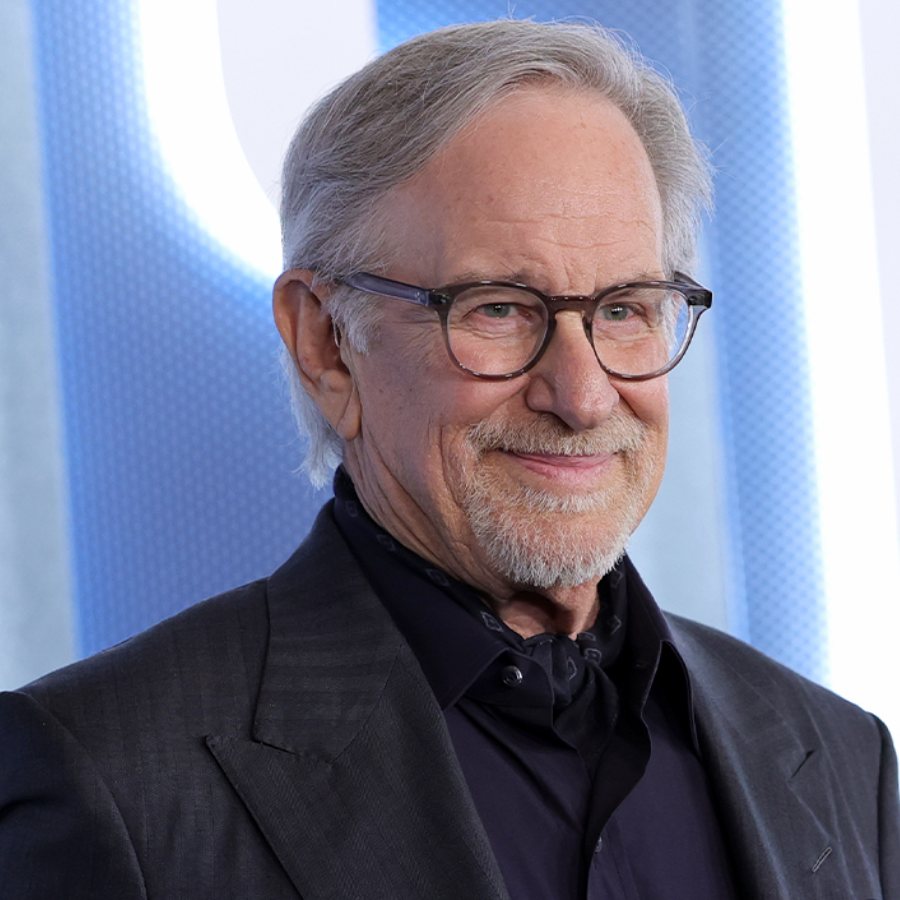
In a candid interview with ITV News, legendary filmmaker Steven Spielberg voiced his concerns about the current state of movie marketing, specifically criticizing the proliferation of trailers that he believes are damaging the cinematic experience by revealing too much of the plot.
The Maestro of Modern Cinema Expresses Discontent with Trailers
Steven Spielberg, one of the most influential and acclaimed directors in the history of film, has recently shared his thoughts on the evolving landscape of movie promotion.
Known for classics such as Jaws, E.T. the Extra-Terrestrial, Jurassic Park, and Schindler’s List, Spielberg’s perspective carries significant weight within the industry and among film enthusiasts worldwide.
In an exclusive interview with ITV News, Spielberg articulated his frustration with the current trend of overly revealing movie trailers.
He expressed concern that these promotional clips are stripping away the element of surprise that many audiences cherish when they attend a film for the first time.
The Evolution of Movie Trailers: From Teasers to Overexposure

Movie trailers have long been an integral part of film marketing strategies. Their purpose is to generate excitement, attract audiences, and provide a glimpse into what viewers can expect. Traditionally, trailers were designed to tease without giving away too much, sparking curiosity and anticipation.
However, over the past two decades, the nature of trailers has shifted dramatically. With the rise of digital media, social platforms, and targeted advertising, trailers have become more elaborate, often revealing key plot points, character arcs, and even the climax of the story.
This phenomenon has led to a debate within the film community about the balance between marketing and preserving the cinematic experience. Critics argue that trailers that reveal too much diminish the thrill of discovery, while defenders contend that they are essential tools for drawing audiences in a competitive entertainment landscape.
Spielberg’s Perspective: Preserving the Magic of Surprise

In his interview with ITV News, Steven Spielberg emphasized the importance of surprise in storytelling.
He highlighted that one of the core elements that make movies memorable is the unexpected twists and turns that keep viewers engaged and emotionally invested.
“Part of the magic of cinema,” Spielberg explained, “is the element of surprise. When you know everything that’s going to happen before you even sit down in the theater, it diminishes the impact of the story. Trailers today often reveal too much, and I think that’s a disservice to the audience.”
He further elaborated that the power of a well-crafted film lies in its ability to evoke genuine surprise and wonder, which can be lost when trailers spoil key moments.
The Impact on Audience Experience and Film Integrity

The implications of this trend extend beyond mere marketing concerns. For audiences, the overexposure to trailers can lead to a diminished sense of anticipation and excitement.
Instead of eagerly awaiting a film’s release to experience it firsthand, viewers may feel as though they already know what will happen.
This phenomenon can also affect the integrity of the storytelling itself. Filmmakers craft narratives with deliberate pacing, surprises, and emotional beats designed to unfold during the viewing experience. When trailers reveal these moments prematurely, it can undermine the director’s vision and reduce the overall impact of the film.
Moreover, the trend affects the cultural and communal aspect of cinema.
Watching a movie for the first time in a theater, experiencing the plot twists with an audience, and sharing reactions are fundamental parts of the cinematic experience. Spoilers in trailers threaten to diminish this shared joy.
Industry Response and the Role of Marketing Teams
The film industry’s response to Spielberg’s criticism has been mixed. Some marketing teams argue that trailers are an essential part of modern promotion, especially in an era where streaming services and digital platforms dominate viewership.
They contend that trailers are carefully crafted to entice viewers without revealing too much, and that audience expectations vary.
Some viewers prefer detailed trailers that give them a sense of the film’s tone and style, while others prefer minimal spoilers.
However, many filmmakers and critics advocate for a more restrained approach.
They suggest that trailers should focus on establishing mood, introducing characters, and hinting at themes without giving away pivotal plot points.
The Rise of Spoiler-Free Promotion and Alternative Strategies
In response to concerns about spoilers, some studios have adopted spoiler-free marketing strategies.
These include releasing teaser trailers that are intentionally vague, utilizing social media campaigns that emphasize atmosphere rather than plot, and employing innovative promotional techniques that engage audiences without revealing critical story elements.
For example, some films have employed immersive experiences, augmented reality campaigns, or interactive websites that allow fans to explore the universe of the film without spoiling key surprises.
Additionally, a growing movement among filmmakers and industry insiders advocates for “spoiler-free” trailers, emphasizing the importance of preserving the audience’s experience of discovery and wonder.
The Cultural Significance of Surprise in Cinema
Cinema has historically been a medium that thrives on storytelling techniques that surprise and delight audiences.
Classic films like Psycho, The Sixth Sense, and Fight Club are celebrated for their shocking twists, which have become iconic moments in film history.
Surprise not only enhances entertainment but also fosters emotional resonance and memorable experiences.
When audiences are caught off guard by plot twists, their reactions—gasps, applause, or contemplative silence—become part of the shared cultural dialogue.
Spielberg’s comments serve as a reminder that the essence of cinema is rooted in storytelling that captivates and surprises, rather than simply showcasing visual effects or action sequences.
The Future of Movie Marketing: Balancing Promotion and Preservation
As the film industry continues to evolve, the challenge remains: how to effectively market films while respecting the audience’s desire for genuine surprise?
Experts suggest that a balanced approach is necessary. Trailers should serve as invitations rather than spoilers, enticing viewers without revealing the story’s core elements. This can be achieved through:
Minimalist trailers that focus on mood and tone.
Character-driven teasers that introduce personalities without plot details.
Innovative marketing campaigns that involve immersive experiences or interactive content.
Furthermore, filmmakers and studios are encouraged to consider the long-term impact of their promotional strategies on audience trust and engagement.
Conclusion: A Call for Respecting the Audience’s Experience
Steven Spielberg’s outspoken critique of modern trailers underscores a broader conversation about the integrity of cinematic storytelling and the importance of preserving the element of surprise.
As one of the most revered directors in history, his insights carry weight and serve as a call to action for industry professionals to reevaluate their marketing practices.
In an age where information spreads rapidly and spoilers are just a click away, it is more crucial than ever to prioritize the audience’s experience.
Films are meant to be journeys of discovery, and trailers should enhance that journey, not spoil it.
By embracing restraint and creativity in marketing, the industry can ensure that cinema remains a source of wonder, surprise, and emotional resonance for generations to come.