Clint Eastwood Turns 96: A Reflection on a Legendary Career and Hollywood’s Relentless Pursuit of His Legacy
Clint Eastwood Turns 96: A Reflection on a Legendary Career and Hollywood’s Relentless Pursuit of His Legacy
The Man Who Defined an Era
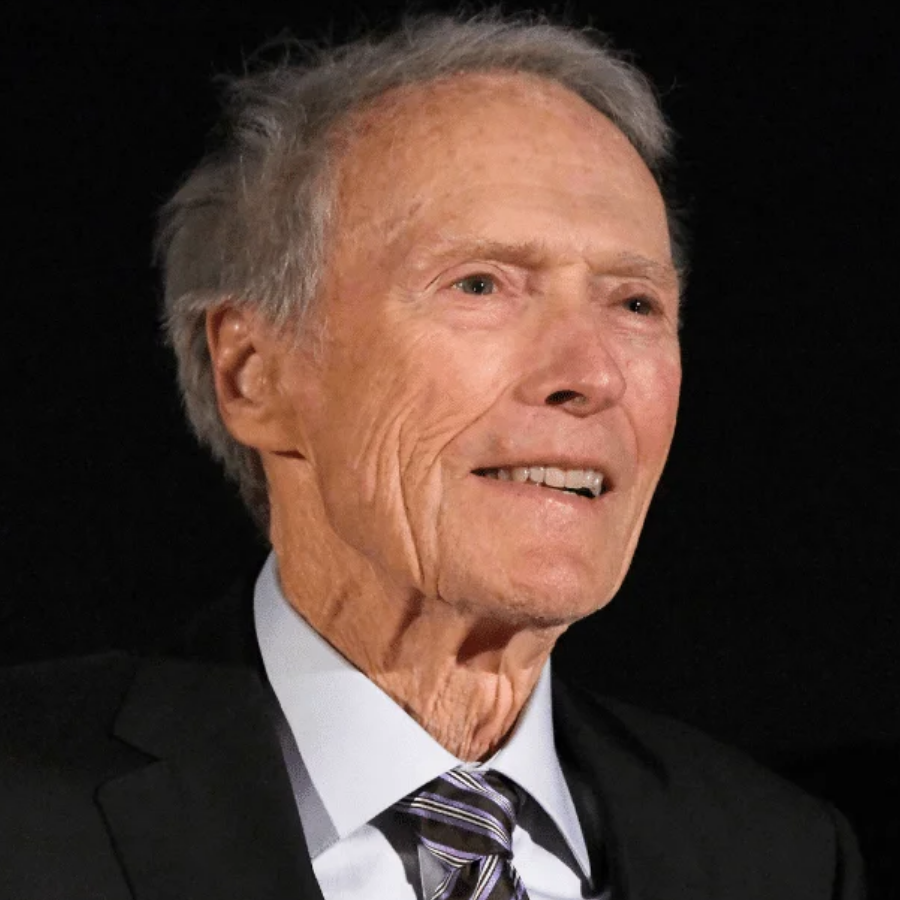
As the calendar marks June 1, 2026, Hollywood celebrates a monumental milestone—Clint Eastwood has officially turned 96 years old.
An icon whose name is synonymous with rugged masculinity, cinematic excellence, and an unyielding work ethic, Eastwood’s influence on Hollywood is unparalleled.
Decades after his rise to stardom, he remains a towering figure whose legacy continues to shape the landscape of American cinema.
In an industry that is often characterized by fleeting fame, Eastwood’s career longevity and adaptability stand as testament to his extraordinary talent and resilience.
Despite the passage of nearly a century, Hollywood still seems to be striving to catch up with him—an indication of just how profound his impact has been.
The Early Years: From the Streets of San Francisco to Hollywood Stardom

Clinton Eastwood Jr. was born on May 31, 1930, in San Francisco, California. Growing up during the Great Depression, Eastwood’s early life was marked by humble beginnings, a trait that would later inform his tough, no-nonsense screen persona.
His journey into Hollywood was neither straightforward nor guaranteed; it was a path paved with perseverance, grit, and an unwavering desire to succeed.
Eastwood’s initial foray into acting was modest. He appeared in small television roles in the 1950s, but it was his breakout role as Rowdy Yates in the television series Rawhide that catapulted him into the national consciousness.
His rugged charisma and stoic demeanor quickly caught the attention of filmmakers, setting the stage for a career that would span over six decades.
The Rise to Stardom: The Spaghetti Western Revolution

The 1960s marked a turning point for Eastwood, as he became an international star through the Dollars Trilogy—a series of spaghetti Westerns directed by Sergio Leone.
Films like A Fistful of Dollars (1964), For a Few Dollars More (1965), and The Good, the Bad and the Ugly (1966) not only redefined the Western genre but also established Eastwood as a Hollywood heavyweight.
These films were characterized by their gritty realism, moral ambiguity, and iconic visual style. Eastwood’s portrayal of the stoic, morally complex gunslinger became a cultural touchstone, influencing countless filmmakers and actors.
His performance style—minimalist, intense, and understated—set a new standard for cinematic masculinity.
The success of these films propelled Eastwood into the Hollywood A-list, and he soon transitioned from Western star to a versatile actor capable of tackling diverse genres.
Transition to Hollywood’s Leading Man and Director

Following his Western success, Eastwood demonstrated remarkable versatility. He starred in a variety of films, ranging from action thrillers to dramas, showcasing his range as an actor.
Notable films from this period include Dirty Harry (1971), where he portrayed the iconic police inspector Harry Callahan, a character that became a symbol of gritty law enforcement.
But perhaps even more impactful was Eastwood’s decision to step behind the camera. In 1971, he directed his first film, Play Misty for Me, and continued to direct many of his subsequent projects.
His directorial debut was a sign of things to come—a filmmaker with a clear vision, unafraid to tackle complex themes and challenge industry conventions.
Eastwood’s directorial style is often characterized by its simplicity, efficiency, and focus on storytelling.
His films are known for their tight pacing, strong character development, and a penchant for moral ambiguity—traits that reflect his own persona.
The 1980s and 1990s: A Period of Artistic Maturity and Critical Acclaim
The 1980s and 1990s saw Eastwood solidify his reputation as both a prolific actor and an accomplished director. Films like Unforgiven (1992) marked a significant turning point in his career.
The Western he directed and starred in was a gritty, introspective take on the genre, earning him multiple Academy Awards, including Best Director and Best Picture.
Unforgiven is often regarded as one of the greatest Westerns ever made, and it exemplifies Eastwood’s mastery of storytelling—combining brutal realism with profound moral questions.
The film’s success reaffirmed his status as a serious filmmaker, capable of balancing commercial appeal with artistic integrity.
Throughout this period, Eastwood continued to produce compelling work, including The Bridges of Madison County (1995), Absolute Power (1997), and Midnight in the Garden of Good and Evil (1997).
His ability to reinvent himself while maintaining his core aesthetic made him a perennial favorite among critics and audiences alike.
The 21st Century: Reinventing and Sustaining Relevance
Even as Hollywood evolved rapidly in the new millennium—embracing blockbuster franchises, digital filmmaking, and shifting audience tastes—Eastwood remained a vital force.
He directed and starred in Mystic River (2003), which earned him another Oscar for Best Director, and Gran Torino (2008), a film that showcased his continued relevance and ability to connect with contemporary audiences.
His later works often explore themes of aging, redemption, and moral complexity, reflecting his own journey through nearly a century of life and career.
Films like American Sniper (2014) and The Mule (2018) demonstrated his skill at crafting compelling narratives that resonate with modern viewers while maintaining his signature style.
In 2020, Eastwood directed Cry Macho, further proving that his creative spark had not dimmed with age.
Instead, it seemed to burn brighter, fueled by decades of experience and an unwavering passion for storytelling.
Hollywood’s Ongoing Fascination with Clint Eastwood
Despite his age, Hollywood continues to be captivated by Clint Eastwood. His influence is evident in the work of countless filmmakers and actors who cite him as an inspiration.
From the minimalist storytelling style to his ability to portray morally complex characters, Eastwood’s legacy is woven into the fabric of modern cinema.
Industry insiders often remark that Hollywood still feels like it’s trying to catch up to Eastwood—an industry that is constantly chasing after his innovative spirit, his disciplined approach to filmmaking, and his unique charisma.
His career trajectory exemplifies a rare combination of artistic integrity and commercial success, a balance that many aspire to but few achieve.
The Cultural Impact of Clint Eastwood
Beyond his technical mastery, Eastwood’s cultural impact is profound. His portrayal of the tough, silent hero has become a template for masculinity in American cinema.
His characters often embody resilience, independence, and moral ambiguity—traits that resonate deeply with audiences seeking authentic, complex portrayals of human nature.
His influence extends beyond the screen. Eastwood’s political and social commentary, often delivered through his films and public statements, has shaped public discourse.
Whether in his roles or his directorial projects, he has consistently challenged viewers to confront uncomfortable truths about morality, justice, and human nature.
The Man Behind the Myth: Clint Eastwood’s Personal Life
While his professional achievements are legendary, Eastwood’s personal life has also garnered significant attention.
Known for his privacy and straightforward demeanor, he has navigated the complexities of fame with resilience.
His relationships, family life, and personal philosophies have often been subjects of media fascination, yet he remains largely defined by his work ethic and dedication to his craft.
His longevity in Hollywood is not merely a matter of talent but also discipline.
Eastwood’s commitment to physical fitness, his disciplined approach to directing, and his relentless pursuit of excellence serve as lessons for aspiring artists and filmmakers everywhere.
The Future of Clint Eastwood’s Legacy
As Clint Eastwood celebrates his 96th birthday, questions naturally arise about his future projects and the enduring nature of his legacy.
While he has expressed a desire to slow down, his body of work continues to inspire new generations.
Many industry analysts believe that Eastwood’s influence will persist for decades to come.
His films will continue to be studied in film schools, his style emulated by aspiring directors, and his characters celebrated as archetypes of American cinema.
Moreover, his career serves as a reminder that artistry and perseverance can transcend age, and that true legends leave behind a legacy that outlives their own time.
Conclusion: Hollywood’s Eternal Chase After Clint Eastwood
In the grand tapestry of Hollywood history, Clint Eastwood stands as a towering figure—an artist whose work has shaped the very essence of American cinema.
As he marks his 96th year, it becomes clear that Hollywood still feels like it is trying to catch up to him.
His influence, his innovation, and his unwavering dedication continue to set the standard for excellence in filmmaking.
Eastwood’s story is not just one of personal achievement but also a reflection of the transformative power of cinema itself.
A man who once started as a humble actor has become a symbol of resilience, artistry, and integrity—qualities that Hollywood aspires to emulate.
As the industry marches forward into an uncertain future, one thing remains certain: Clint Eastwood’s legacy is etched into the very fabric of Hollywood, and his story is far from over.
Happy birthday to a legend whose impact will be felt for generations to come.