James Gunn Reveals Velma Dinkley’s Original Characterization as “Explicitly Gay” in Scooby-Doo Script
In a recent revelation that has sparked widespread discussion among fans, film enthusiasts, and industry insiders alike, acclaimed filmmaker James Gunn has disclosed that the character Velma Dinkley from the beloved Scooby-Doo franchise was originally written as “explicitly gay” in the initial screenplay.
This disclosure has reignited conversations around representation, character development, and the creative choices involved in adapting iconic cartoon characters for modern audiences.
Background: The Legacy of Velma Dinkley
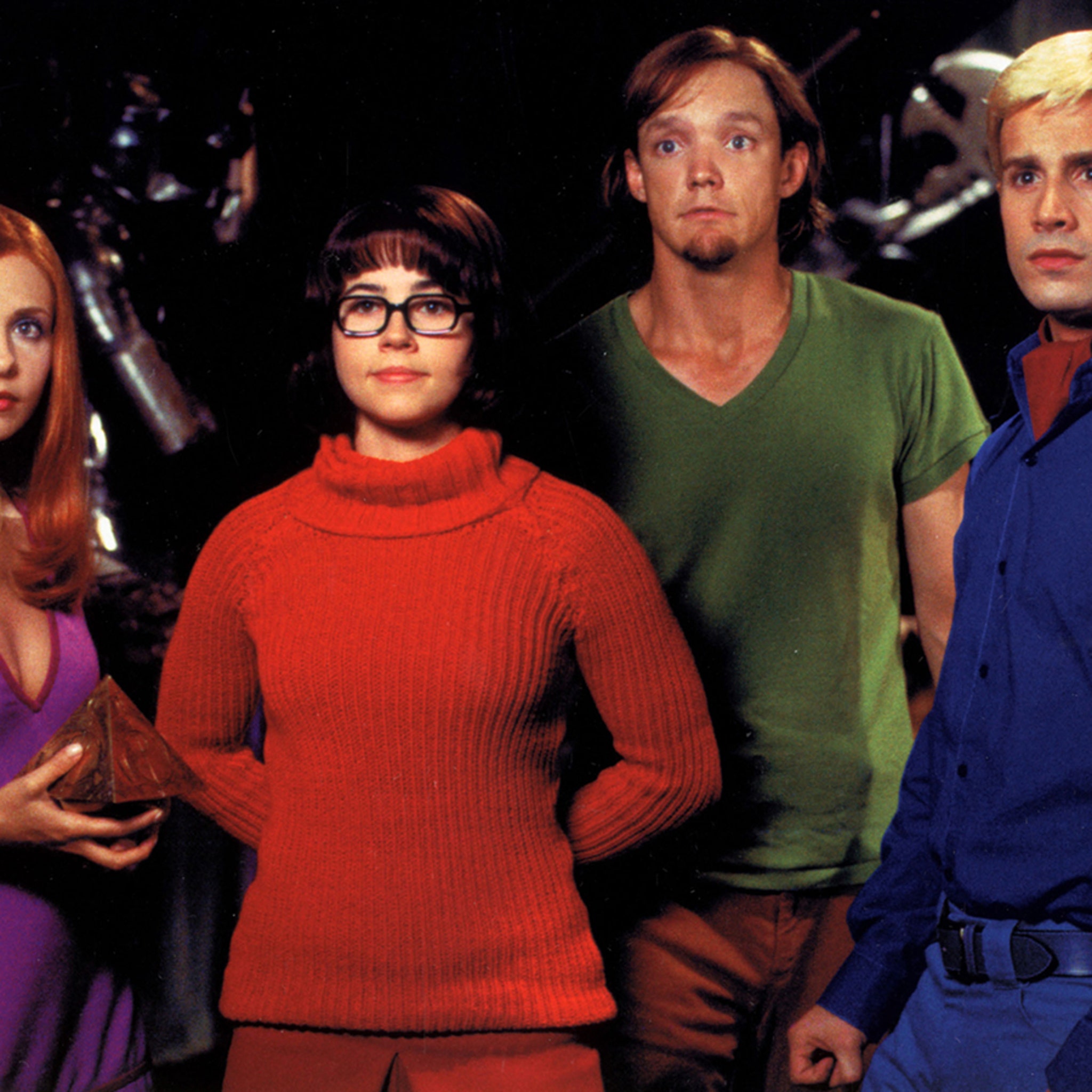
Velma Dinkley has been a central figure in the Scooby-Doo franchise since its inception in the late 1960s.
Known for her intelligence, analytical skills, and distinctive orange turtleneck, Velma has become an emblem of geek culture and a role model for many young viewers.
Over the decades, the character has undergone various adaptations across television series, movies, and comic books, each adding layers to her personality and backstory.
Despite her popularity, Velma’s character has historically been portrayed as a heterosexual woman, aligning with traditional gender stereotypes prevalent in the original series.
However, as society’s understanding of diversity and representation has evolved, creators and fans alike have begun to question and reimagine her character in more inclusive ways.
James Gunn’s Revelation: Context and Significance
James Gunn, renowned for his work on blockbuster films such as “Guardians of the Galaxy,” and more recently, the rebooted “The Suicide Squad,” has become a prominent voice in Hollywood advocating for diversity and representation.
During a recent interview, Gunn shared a surprising detail about the original screenplay for a Scooby-Doo project he was involved with, revealing that Velma was initially conceived as “explicitly gay.”
This statement has garnered significant attention because it offers rare insight into the creative process behind a beloved franchise.
Gunn’s comments suggest that the character’s sexuality was considered and intentionally integrated into the story from the outset, challenging the notion that such representation is a recent phenomenon or an afterthought.
The Creative Process Behind Velma’s Characterization
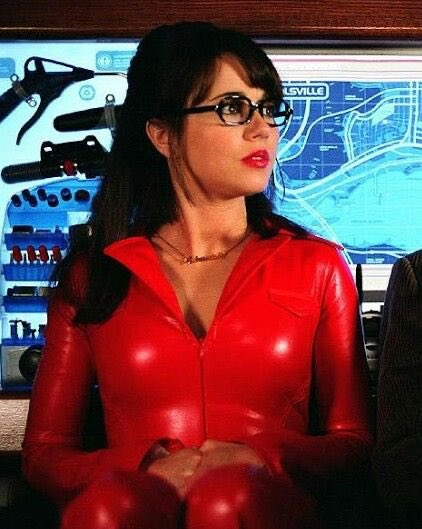
The revelation raises questions about how characters like Velma are developed and the factors that influence their portrayal.
Historically, many animated characters were created within the constraints of the time, often reflecting societal norms and stereotypes.
However, as cultural attitudes shift, creators are increasingly exploring the depths of their characters’ identities, including sexuality, gender, and cultural background.
In the case of Velma, the decision to write her as “explicitly gay” in the original script indicates a deliberate effort to include LGBTQ+ representation.
This choice aligns with broader industry trends aiming to diversify storytelling and foster a more inclusive environment for viewers of all backgrounds.
The Impact of Representation in Media
Representation matters. When characters like Velma are portrayed as LGBTQ+ from the outset, it sends a powerful message about acceptance and normalizes diverse identities.
It also provides visibility for marginalized communities, fostering understanding and empathy among audiences.
The inclusion of LGBTQ+ characters in mainstream media has been a topic of ongoing debate, with critics arguing that such representation is long overdue, while others express concern about authenticity and the potential for stereotyping.
Gunn’s disclosure adds a new dimension to this conversation, illustrating that even iconic characters from classic cartoons could have been part of this movement from the beginning.
Public and Fan Reactions
The response to Gunn’s revelation has been mixed, reflecting the broader societal debates surrounding LGBTQ+ representation in media.
Many fans expressed admiration for Gunn’s honesty and appreciated the acknowledgment of the character’s original intended identity.
On social media platforms, hashtags such as #VelmaGay and #RepresentationMatters trended as fans shared their thoughts and personal stories.
Some fans lamented the fact that the character’s sexuality was not explicitly addressed in past adaptations, while others celebrated the potential for future projects to embrace this aspect of Velma’s character more openly.
Industry Implications and Future Directions
Gunn’s comments may influence how studios and creators approach character development in the future.
The acknowledgment that Velma was originally written as “explicitly gay” suggests a shift toward greater transparency and intentionality in storytelling.
Moreover, it raises questions about how existing characters can be reinterpreted or expanded upon to better reflect contemporary values.
This could lead to new adaptations, reboots, or spin-offs that explicitly explore LGBTQ+ themes and identities.
In the broader context, the revelation underscores the importance of representation in all forms of media, especially in franchises with a long-standing cultural impact.
As audiences become more diverse and vocal, creators are increasingly recognizing the need to reflect that diversity authentically.
The Broader Cultural Context
The entertainment industry has seen a significant push toward inclusivity over the past decade.
From the rise of LGBTQ+ characters in television series to the inclusion of diverse casts in blockbuster films, the landscape is changing rapidly.
Gunn’s disclosure about Velma adds to this trend, highlighting that even characters created decades ago could have been crafted with inclusivity in mind.
It also prompts reflection on how many other classic characters might have been originally conceived with similar intentions but were altered due to societal pressures or studio constraints.
Conclusion: A Step Toward Greater Inclusivity
James Gunn’s revelation that Velma Dinkley was originally written as “explicitly gay” in the original Scooby-Doo script is a significant milestone in the ongoing conversation about representation in media.
It serves as a reminder that diversity and inclusion are not new concepts but are integral to storytelling when given the space and recognition.
As the industry continues to evolve, it is hoped that more creators will feel empowered to develop characters that authentically reflect the myriad identities of their audiences.
The case of Velma Dinkley exemplifies how revisiting and reimagining beloved characters can promote understanding, acceptance, and a richer storytelling landscape for generations to come.
News
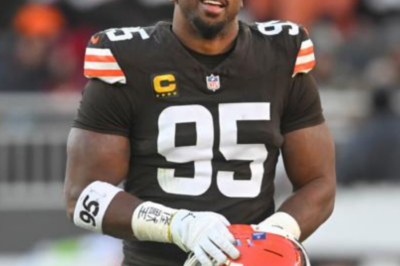
Cleveland Browns Trade Myles Garrett to Los Angeles Rams: A Deep Dive into the NFL’s Latest blockbuster move
Cleveland Browns Trade Myles Garrett to Los Angeles Rams: A Deep Dive into the NFL’s Latest blockbuster move In a…
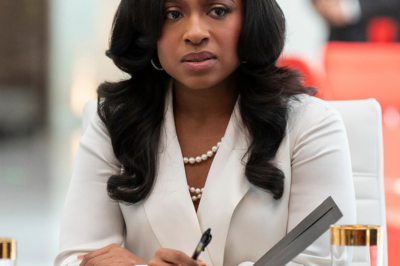
“Beauty in Black 3” Set to Return for Final Season: Tyler Perry Brings the Iconic Drama to a Close on Netflix
“Beauty in Black 3” Set to Return for Final Season: Tyler Perry Brings the Iconic Drama to a Close on…
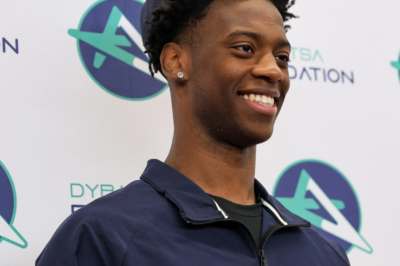
Rising NBA Star AJ Dybantsa Eyes Trae Young’s Number 3 Jersey as Potential Washington Wizards Move Looms
Rising NBA Star AJ Dybantsa Eyes Trae Young’s Number 3 Jersey as Potential Washington Wizards Move Looms In the dynamic…
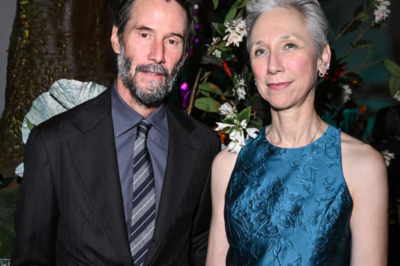
Keanu Reeves and Alexandra Grant Shine Bright at the MOCA Gala: A Night of Love, Elegance, and Artistic Elegance
Keanu Reeves and Alexandra Grant Shine Bright at the MOCA Gala: A Night of Love, Elegance, and Artistic Elegance An…

Senne Lammens: The Premier League’s Defensive Wall of the 2025/26 Season
Senne Lammens: The Premier League’s Defensive Wall of the 2025/26 Season In the high-stakes world of professional football, goalkeepers often…
Pamela Anderson Breaks Silence on Rumored Romance with Liam Neeson: An In-Depth Look at Their Relationship and Public Perceptions
Pamela Anderson Breaks Silence on Rumored Romance with Liam Neeson: An In-Depth Look at Their Relationship and Public Perceptions In…
End of content
No more pages to load