
Pink’s Heartwarming Response to Her Daughter Willow’s Self-Image Struggles: A Powerful Lesson in Self-Love and Empowerment
In a world where social media and societal standards often shape young minds’ perceptions of beauty and self-worth, it’s rare to witness a celebrity respond with genuine vulnerability and proactive compassion.
Pink, the globally renowned singer, songwriter, and performer, recently demonstrated that behind her chart-topping hits and electrifying stage presence lies a deeply caring mother who prioritizes emotional well-being over superficial appearances.
This story begins with an intimate moment between Pink and her six-year-old daughter, Willow.
During a candid conversation, Willow confided in her mother that she felt “ugly.” While such feelings are common among children—especially in an age where appearance and social acceptance are heavily emphasized—the way Pink chose to respond has captured the attention of fans, mental health advocates, and parents worldwide.
Instead of dismissing Willow’s feelings or offering superficial reassurance, Pink took a different approach.
She decided to turn this vulnerable confession into an empowering lesson—a teaching moment that would resonate far beyond their immediate family.
The singer didn’t simply comfort her daughter with words; she created a captivating PowerPoint presentation to address the issue of self-image, self-esteem, and the importance of inner beauty.
This act of kindness and creativity exemplifies Pink’s commitment to nurturing her child’s emotional intelligence, fostering resilience, and promoting self-love.
It also highlights an increasingly relevant conversation about how parents, especially those in the public eye, can influence their children’s perceptions of themselves in a positive and meaningful way.
The Context: Society’s Impact on Children’s Self-Image
Before diving into Pink’s response, it’s essential to understand the broader context surrounding children’s self-esteem today. In an era dominated by social media platforms like Instagram, TikTok, and Snapchat, children are exposed to an endless stream of images and messages that often equate worth with appearance.
Filters, edited photos, and curated lifestyles set unrealistic standards that can leave young minds feeling inadequate or “ugly,” even when they are surrounded by love and support.
Research indicates that children as young as six years old can internalize these societal pressures, leading to issues like body dissatisfaction, low self-esteem, and anxiety.
Experts emphasize the importance of parental involvement in counteracting these influences by fostering positive self-perceptions and emphasizing qualities beyond physical appearance.
Pink’s approach aligns perfectly with these principles. Her response underscores the importance of addressing children’s feelings with empathy, honesty, and proactive education.
It also demonstrates how influential figures can set a powerful example for their followers and fans by prioritizing mental health and emotional resilience.
Pink’s Personal Background and Values
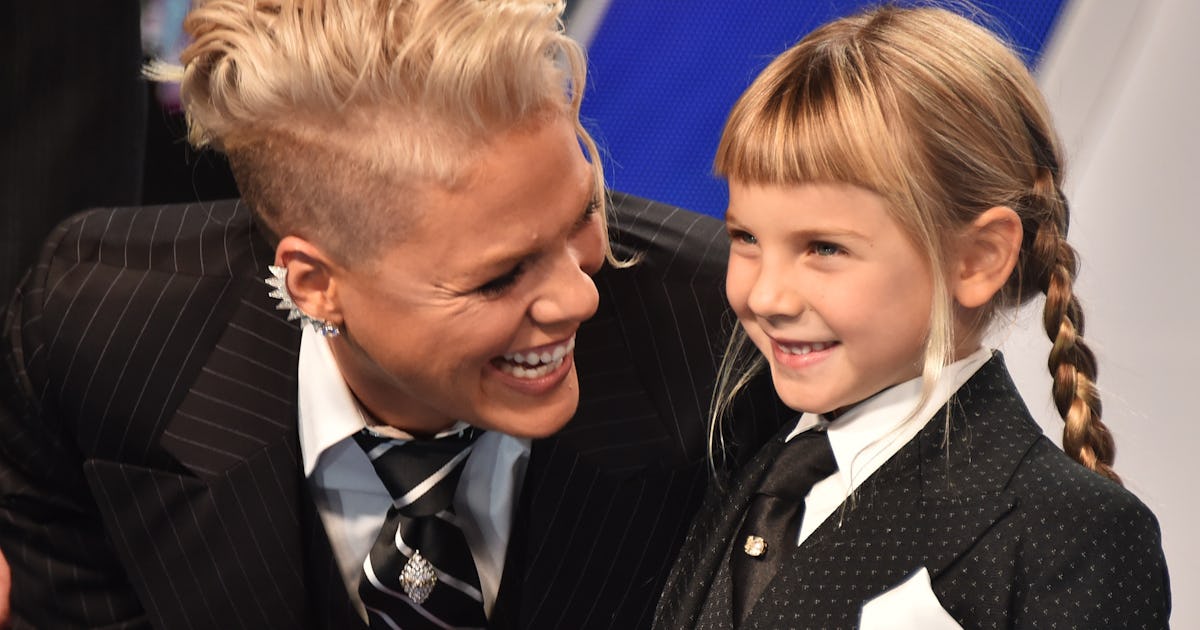
Pink, born Alecia Beth Moore, has long been known not only for her powerful voice and energetic performances but also for her authenticity and advocacy.
Throughout her career, she has spoken openly about mental health, self-acceptance, and overcoming personal struggles.
Her music often carries messages of empowerment, resilience, and authenticity, resonating with millions of fans worldwide.
In her personal life, Pink is a devoted mother to her children, including Willow, whom she frequently praises for her curiosity and spirit.
Pink’s parenting philosophy emphasizes kindness, honesty, and nurturing individuality.
Her decision to create a PowerPoint presentation for Willow exemplifies her commitment to these values, illustrating that she sees her role as a parent as not just providing comfort but also instilling lifelong lessons.
The Power of Creativity in Parenting

Turning a difficult conversation into a creative learning experience is a hallmark of effective parenting.
In Pink’s case, she harnessed her creativity to craft a PowerPoint presentation—a tool often associated with classrooms, business meetings, and professional settings—to communicate a heartfelt message to her young daughter.
This innovative approach serves multiple purposes:
Engagement: A visual presentation captures attention and makes the message more memorable.
Empowerment: Creating a presentation allows the child to participate actively, fostering confidence.
Education: It provides an opportunity to discuss complex topics like self-esteem and beauty standards in an age-appropriate manner.
Modeling: Pink demonstrates that addressing emotional issues with creativity and honesty is both acceptable and beneficial.
The presentation likely included images, affirmations, and perhaps stories or examples designed to help Willow understand that she is beautiful exactly as she is—inside and out.
It also probably emphasized that everyone has unique qualities that make them special, reinforcing the idea that beauty is diverse and subjective.
The Broader Impact: Setting an Example for Parents and Celebrities Alike
Pink’s response has sparked widespread admiration and discussion about how parents can handle similar situations.
It serves as a reminder that emotional intelligence and proactive communication are essential tools in raising confident, self-assured children.
Moreover, Pink’s openness about her parenting approach encourages other celebrities and public figures to share their own stories and strategies.
In an age where social media often showcases curated images of perfection, Pink’s authenticity offers a refreshing perspective—one that values vulnerability, kindness, and education over superficial appearances.
The Role of Media and Society in Shaping Self-Perception
Pink’s story also highlights the influence of media and societal standards on young children.
As media literacy becomes increasingly important, parents and educators are urged to teach children critical thinking skills about images and messages they consume daily.
By creating her presentation, Pink models a constructive way to counteract negative influences.
She demonstrates that addressing feelings of inadequacy directly, with compassion and creativity, can help children develop a healthier self-image.
Moving Forward: Lessons from Pink’s Approach
Pink’s heartfelt response to Willow’s feelings of ugliness offers several valuable lessons for parents, educators, and caregivers:
Listen actively: Pay attention to children’s feelings and validate their emotions.
Respond with empathy: Avoid dismissiveness; instead, offer understanding and support.
Use creativity: Turn difficult conversations into engaging, educational experiences.
Promote inner qualities: Emphasize kindness, intelligence, and uniqueness over superficial appearance.
Lead by example: Demonstrate self-love and authenticity in your actions and words.
Conclusion: A Model for Compassionate Parenting
Pink’s decision to create a PowerPoint presentation for her daughter Willow is more than a touching anecdote; it’s a powerful example of compassionate, proactive parenting.
In a world where children face mounting pressures to conform to narrow standards of beauty, Pink’s approach reminds us all of the importance of nurturing confidence from a young age.
Her actions inspire parents everywhere to prioritize emotional well-being, to communicate openly with their children, and to use creativity as a tool for education and empowerment.
As society continues to grapple with issues of self-esteem and mental health, Pink’s story stands out as a beacon of hope and a call to action for more mindful, compassionate parenting.
In the end, the message is clear: True beauty comes from within, and with love, honesty, and a little creativity, we can help the next generation see their own worth in a world that often tries to tell them otherwise.
News

The Fascinating Coincidence: Seven NBA Legends Who Played Game 7s on Their Birthdays—and All Won
The Fascinating Coincidence: Seven NBA Legends Who Played Game 7s on Their Birthdays—and All Won In the world of professional…

Samara Weaving and Margot Robbie: The Surprising Doppelgängers of Hollywood
Samara Weaving and Margot Robbie: The Surprising Doppelgängers of Hollywood In the glitzy world of Hollywood, where star power and…

Black CEO Denied First-Class Meal — Shocking Action: Fires Entire Flight Crew After Landing
Black CEO Denied First-Class Meal — Shocking Action: Fires Entire Flight Crew After Landing In a surprising turn of events,…

Al Roker’s family breaks their silence, and what they’re saying about his extended TODAY show absence is turning heads. Let’s just say he’s not staying quiet about what happened to Sheinelle Jones.
Al Roker’s family breaks their silence, and what they’re saying about his extended TODAY show absence is turning heads. Let’s…

Savannah Guthrie just dropped a family secret so wild that the entire TODAY cast was left speechless. And the person connected to it? Literally no one saw this coming.
Savannah Guthrie just dropped a family secret so wild that the entire TODAY cast was left speechless. And the person…

Jaxson Dart’s New Nickname Sparks Viral Buzz Amid Donald Trump Controversy: A Deep Dive into the Latest Sports and Political Intersection
Jaxson Dart’s New Nickname Sparks Viral Buzz Amid Donald Trump Controversy: A Deep Dive into the Latest Sports and Political…
End of content
No more pages to load