Celebrating Women’s History Month: Honoring the Trailblazing Female Pilots Who Changed the Skies
Celebrating Women’s History Month: Honoring the Trailblazing Female Pilots Who Changed the Skies
Every March, as part of Women’s History Month, societies worldwide take a moment to recognize and celebrate the extraordinary achievements of women across various fields.
Among these, aviation stands out as a domain where women have historically faced formidable challenges yet have continually broken barriers, soared beyond societal expectations, and inspired generations of aspiring pilots.
From pioneering trailblazers of the early 20th century to contemporary aviators making headlines today, female pilots embody resilience, innovation, and the relentless pursuit of equality in the skies.
This article delves into the inspiring stories of women who have transformed aviation, examines the ongoing struggles and progress within the industry, and highlights why celebrating women’s contributions to aviation is crucial for fostering diversity, inclusion, and progress in the 21st century.
The Historical Context of Women in Aviation
Early Pioneers: Breaking the Sound Barrier of Gender Norms
The history of women in aviation dates back to the early 1900s, a time when societal norms largely confined women to domestic roles.
Yet, a handful of daring women challenged these conventions, demonstrating that the sky was not the limit but merely the beginning.
One of the earliest known female pilots was Raymonde de Laroche of France.
In 1910, she became the first woman in the world to earn a pilot’s license, a groundbreaking achievement that defied gender stereotypes and opened doors for women in aviation. Her courage and skill laid the foundation for future generations of female aviators.
Similarly, Harriet Quimby, an American journalist and aviator, gained fame in 1911 as the first woman to fly across the English Channel.
Her adventurous spirit and pioneering flights garnered international attention, inspiring women worldwide to pursue aviation careers.
The Interwar Period: Women Pioneers Take to the Skies
The interwar years saw a surge of female pilots participating in record-breaking flights, air races, and pioneering efforts that proved women’s capabilities in aviation.
Notably, Amelia Earhart, perhaps the most iconic figure in women’s aviation history, emerged during this era.
Earhart’s achievements include being the first woman to fly solo nonstop across the Atlantic Ocean in 1932. Her daring flight not only shattered gender barriers but also became a symbol of women’s independence and determination.
Throughout her career, Earhart advocated for women’s rights and inspired countless women to pursue careers in aviation and beyond.
Women’s Roles During World War II
The Second World War marked a significant turning point for women in aviation.
With many male pilots enlisted in the military, women stepped into roles that were previously considered male-dominated.
The Women Airforce Service Pilots (WASP) in the United States, established in 1943, exemplified this shift.
WASP pilots flew military aircraft, transported supplies, and trained male pilots, demonstrating that women could perform essential and demanding roles in combat support.
Despite facing discrimination and skepticism, their contributions proved vital to the war effort and challenged societal perceptions about women’s capabilities.
Post-War Challenges and Progress
After the war, many female pilots faced setbacks as societal expectations reverted to traditional gender roles.
However, the resilience of these women kept the spirit alive, and the 1960s and 1970s saw renewed efforts to integrate women into commercial and military aviation.
The establishment of organizations such as the International Society of Women Airline Pilots (ISA+21) and national associations provided support networks and advocacy platforms for female aviators. These groups championed gender equity and worked tirelessly to increase opportunities for women in aviation.
Contemporary Female Pilots: Breaking New Ground
Women in Commercial Aviation
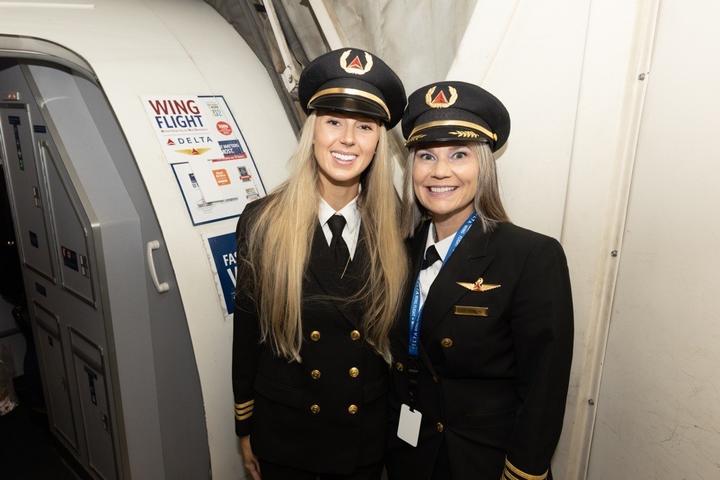
Today, women constitute a growing percentage of commercial airline pilots worldwide.
According to the International Society of Women Airline Pilots, women make up approximately 5-6% of all airline pilots globally—a figure that has steadily increased over the past two decades.
Major airlines are actively promoting diversity initiatives, offering mentorship programs, and creating inclusive environments to attract more women into the cockpit.
Notable figures include Captain Tammie Jo Shults, who gained worldwide recognition after her calm and courageous handling of a mid-flight emergency in 2018, and Captain Heather Ross, a trailblazer for women of color in commercial aviation.
Women in Military and Experimental Aviation
Female pilots are also making strides in military aviation. Countries like the United States, the United Kingdom, and Israel have integrated women into their armed forces’ pilot ranks, including fighter jets, helicopters, and reconnaissance aircraft.
Moreover, women are pushing the boundaries of experimental aviation, engaging in test flights for new aircraft, drones, and space missions. Dr. Peggy Whitson, an astronaut and biochemist, exemplifies the link between aviation and space exploration, inspiring women to aim for careers beyond Earth’s atmosphere.
The Rise of Female Commercial Drone Pilots and Space Explorers
The modern landscape of aviation extends beyond traditional piloting roles. Women are increasingly involved in drone operations, unmanned aerial vehicle (UAV) technology, and space exploration. Organizations like NASA and private companies such as SpaceX have seen women in leadership roles, contributing to groundbreaking missions and technological advancements.
Jessica Meir, an astronaut and space scientist, exemplifies this evolution, inspiring young women to consider careers in STEM fields related to aviation, aerospace, and beyond.
Challenges Faced by Women in Aviation Today
Gender Bias and Stereotypes
Despite progress, women in aviation still encounter significant obstacles, including gender bias, stereotypes, and a lack of representation. Many female pilots report experiencing discrimination, skepticism about their abilities, and societal pressure to conform to traditional gender roles.
Work-Life Balance and Family Responsibilities
The demanding schedules, frequent travel, and physical demands of piloting can pose challenges for women balancing career and family life. Addressing these issues requires supportive policies, flexible work arrangements, and cultural shifts within the industry.
Lack of Mentorship and Role Models
The scarcity of female role models in senior pilot positions or leadership roles can hinder aspiring women’s progress. Mentorship programs and industry initiatives aim to bridge this gap and foster a more inclusive environment.
The Importance of Celebrating Women’s Contributions to Aviation
Inspiring Future Generations
Highlighting the achievements of female pilots during Women’s History Month serves as a powerful source of inspiration for young girls and women worldwide. It encourages them to pursue careers in STEM fields, aviation, and leadership roles.
Promoting Diversity and Inclusion
Diversity enhances safety, innovation, and problem-solving within aviation. Celebrating women’s contributions underscores the importance of inclusive workplaces that value different perspectives and experiences.
Recognizing the Ongoing Struggle for Equality
While significant progress has been made, the journey toward gender equality in aviation continues. Celebrations and awareness campaigns keep the momentum alive, advocating for policy changes, equal opportunities, and cultural shifts.
How to Support and Celebrate Women in Aviation
Education and Outreach
Encourage young girls to explore aviation through STEM education, aviation camps, and mentorship programs. Highlight stories of female pilots and astronauts to inspire curiosity and ambition.
Industry Initiatives
Support organizations dedicated to promoting women in aviation, such as Women in Aviation International (WAI) and Girls in Aviation Day. These groups provide networking, mentorship, and professional development opportunities.
Personal Engagement
Share stories of female pilots, attend aviation events celebrating women’s achievements, and advocate for inclusive hiring practices within your community or organization.
Conclusion
Women’s History Month is a vital occasion to honor the extraordinary contributions of female pilots who have shaped the history of aviation and continue to inspire future generations.
From the pioneering days of Raymonde de Laroche and Harriet Quimby to today’s brave aviators breaking barriers in commercial, military, and space exploration, women have proven that the sky is not the limit but just the beginning.
As we celebrate these achievements, let us also recognize the ongoing challenges and commit to fostering an aviation industry that embraces diversity, promotes equality, and empowers women to reach new heights. The future of aviation is brighter, safer, and more innovative when women are fully represented, heard, and celebrated in the skies.