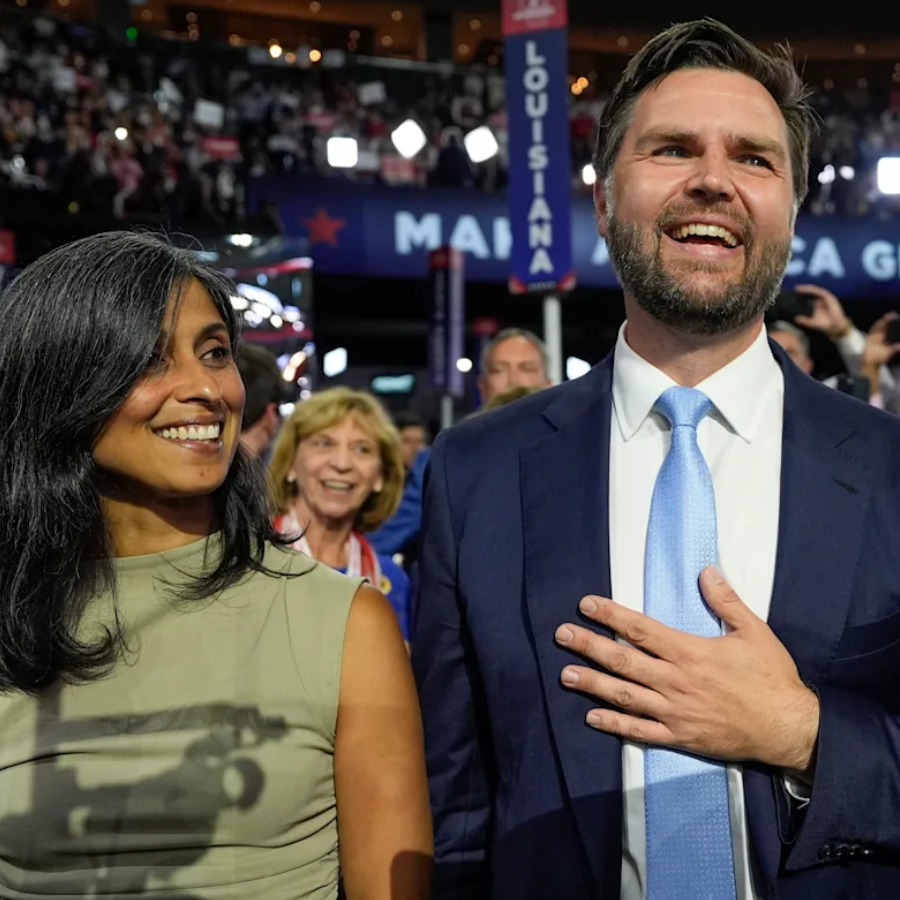
Yale University: The Hidden Foundation of Power and Politics Before the World Knew Their Names
Yale University: The Hidden Foundation of Power and Politics Before the World Knew Their Names
In the grand tapestry of history, institutions often serve as the silent architects behind the corridors of power and the engines of political change.
Among these, Yale University stands as a towering bastion of influence, shaping leaders, thinkers, and policymakers long before they ascended to positions of national or global prominence.
But what if we told you that before power was wielded and politics played out on the world’s stage, there was Yale — an institution that quietly laid the groundwork for the modern political landscape?
This narrative is not merely about a university; it is about the profound impact of an institution that has been instrumental in shaping the minds and morals of generations of influential figures.
It is about understanding the roots of power, the origins of political thought, and the role Yale has played in forging the leaders who have gone on to shape history.
The Origins of Yale: A Beacon of Education and Influence

Founded in 1701, Yale University is the third-oldest institution of higher education in the United States.
Its origins trace back to a small congregation of clergy and scholars committed to educating future ministers and community leaders.
Over the centuries, Yale evolved from a modest college into a global powerhouse of knowledge, innovation, and political thought.
From its earliest days, Yale was more than just a place for academic learning. It was a crucible where ideas about governance, morality, and societal organization were debated, refined, and disseminated.
The university’s curriculum, heavily rooted in classical studies, rhetoric, and moral philosophy, aimed to cultivate not only knowledgeable individuals but also morally upright leaders capable of guiding society.
The Role of Yale in Shaping Leadership and Power
Throughout American history, Yale alumni have been at the forefront of political, economic, and social change.
The university’s alumni include presidents, senators, Supreme Court justices, business magnates, and influential intellectuals.
These individuals, many of whom walked Yale’s hallowed halls before entering the corridors of power, exemplify the university’s role as a breeding ground for leadership.
One of Yale’s most famous alumni, President William Howard Taft, served as the 27th president of the United States and later as the Chief Justice of the Supreme Court.
His career epitomizes the university’s influence on American governance. Similarly, President George H. W. Bush and his son, President George W. Bush, both attended Yale, further cementing the institution’s reputation as a cradle for future presidents.
But Yale’s influence extends beyond individual careers. The university’s intellectual environment fostered ideas that would shape policies and political philosophies.
Its emphasis on debate, leadership, and moral responsibility helped cultivate a generation of thinkers who would go on to define the political landscape.
Yale and the Development of Political Thought

Yale’s contribution to political thought is profound. The university has been home to some of the most influential political philosophers and theorists, whose ideas continue to resonate today.
From Yale’s early involvement in the development of American constitutional thought to its role in contemporary political science, the institution has been a hub of innovative ideas.
In the 18th and 19th centuries, Yale scholars contributed to debates about federalism, democracy, and the role of government.
The Yale Law School, established in 1824, became a breeding ground for legal minds who would shape American jurisprudence.
The university’s emphasis on rigorous debate and critical thinking fostered a culture where ideas about governance and justice could flourish.
In the 20th century, Yale continued this tradition, producing influential political scientists and policy makers. T
he Yale School of Management and the Yale Jackson Institute for Global Affairs are modern embodiments of the university’s ongoing commitment to understanding and shaping the political world.
The Quiet Power of Yale Alumni
While the university’s reputation is often associated with its academic excellence, its true power lies in the alumni who have carried its influence into the corridors of power.
These individuals have used their Yale education as a foundation to lead nations, craft policies, and influence global affairs.
For instance, consider the role of Yale alumni in shaping U.S. foreign policy during critical moments in history.
Many have held key positions in the State Department, Central Intelligence Agency, and other branches of government. Their decisions have impacted international relations and global stability.
Similarly, Yale’s influence extends into the realm of business and economics. Many of the world’s most powerful CEOs and financial leaders are Yale graduates, applying the values and skills cultivated at the university to shape markets and economies.
Yale’s Legacy: Power, Politics, and Moral Responsibility
What makes Yale unique is its enduring commitment to cultivating leaders who are not only skilled but also morally responsible.
The university’s motto, “Lux et Veritas” (Light and Truth), encapsulates its mission to illuminate minds and uncover truth.
This ethos has inspired generations of Yale students to pursue careers where they can make meaningful contributions to society.
Yale’s influence on politics is also rooted in its emphasis on service and civic responsibility. Many Yale alumni have dedicated their careers to public service, social justice, and reform.
The university’s programs and initiatives encourage students to think critically about their role in society and to use their talents for the greater good.
The Modern Era: Yale in Today’s Political Landscape
Today, Yale continues to be a vital player in shaping the future of politics and power.
Its research centers, think tanks, and academic programs are at the forefront of addressing global challenges such as climate change, inequality, and international conflict.
The university’s alumni remain influential, holding positions in government, international organizations, and the private sector.
As the world faces unprecedented challenges, Yale’s role as a breeding ground for thoughtful, principled leadership becomes even more critical.
Conclusion: Before Power, Before Politics, There Was Yale
In the end, the story of Yale is a story of influence—an institution that has quietly but profoundly shaped the course of history long before the world recognized its name.
Before power was wielded on the global stage, Yale was nurturing the minds that would hold that power. Before politics became a battleground, Yale was fostering the ideas and values that underpin political systems.
This legacy of influence and moral responsibility continues today. Yale remains a symbol of education’s power to shape not only individuals but entire societies.
Its history reminds us that behind every leader, every policy, and every act of governance, there is often a foundation built in the halls of Yale—a place where power and politics were first conceived, debated, and refined.









