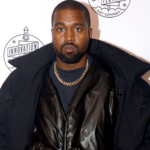
Wireless Festival Officially Canceled Amid Kanye West Entry Ban into the United Kingdom
In a significant development that has sent ripples through the music and entertainment industries, the highly anticipated Wireless Festival has officially been canceled this year.
The decision comes in the wake of ongoing immigration and security concerns related to American rapper and music artist Kanye West, who has been barred from entering the United Kingdom.
This cancellation marks a notable disruption for festival organizers, artists, and thousands of music fans who had been eagerly awaiting the event.
Background: The Significance of Wireless Festival in the UK Music Scene
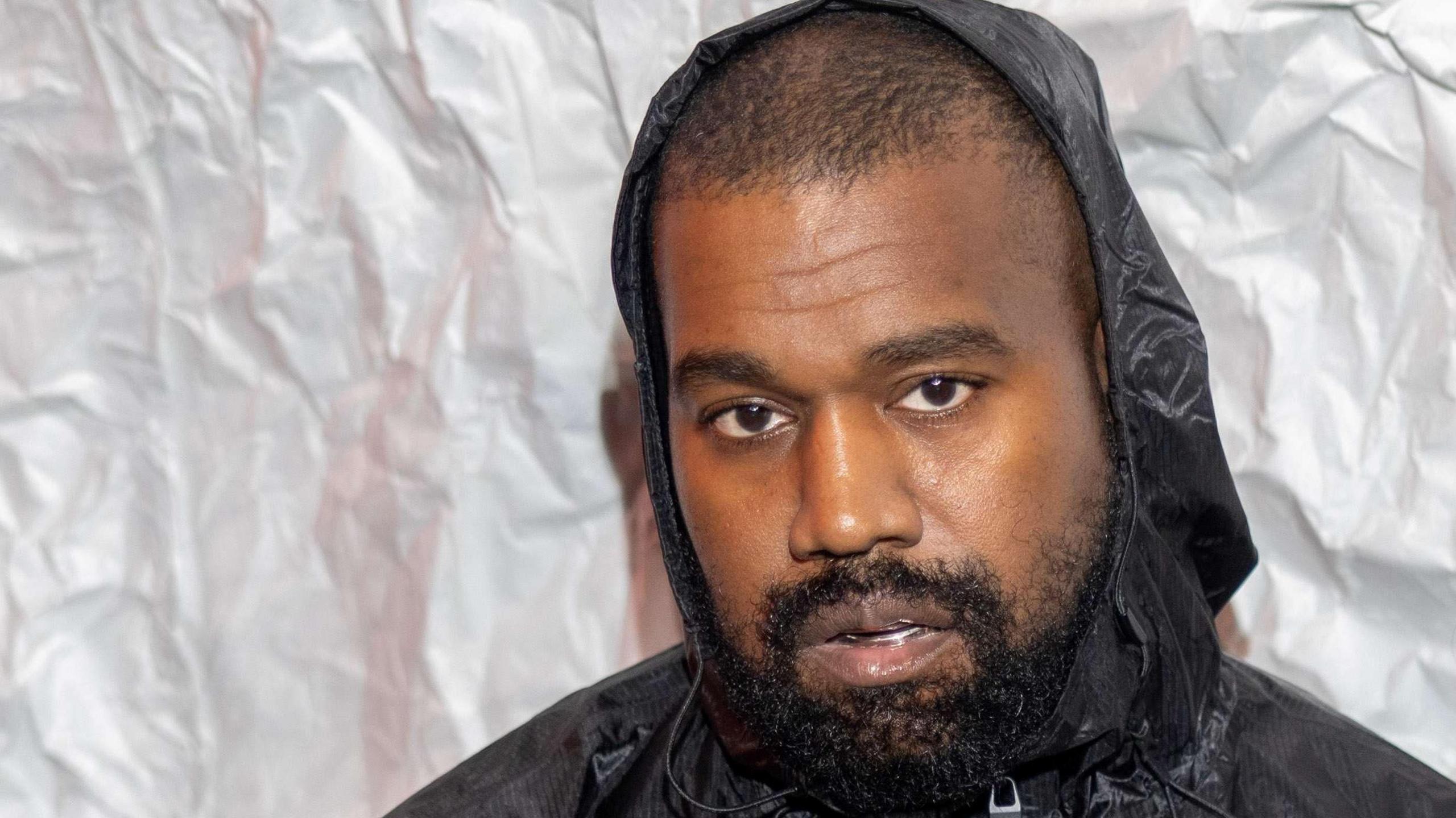
The Wireless Festival, held annually in London, has established itself as one of the most prominent and celebrated music festivals in the United Kingdom.
Known for its diverse lineup spanning genres such as hip-hop, R&B, pop, and electronic dance music, the festival attracts tens of thousands of music enthusiasts from across the UK and abroad.
Over the years, it has become a cultural institution, showcasing some of the biggest names in the global music industry and providing a platform for emerging artists to connect with large audiences.
Historically, the festival has been a highlight of the summer calendar, drawing attention from media outlets, music fans, and industry insiders alike.
Its economic impact on the local economy, tourism, and associated industries has been substantial, with hotels, restaurants, and transportation services experiencing a surge in business during the event.
The Role of Kanye West in the Festival Lineup
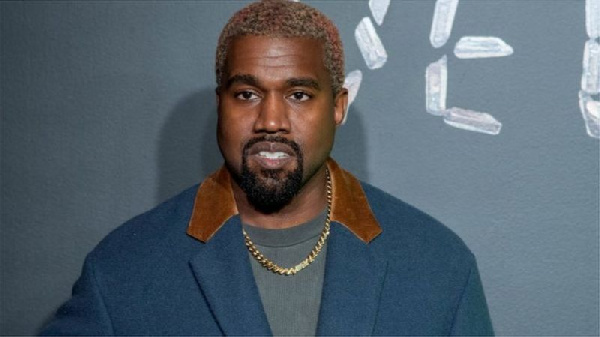
Kanye West, an influential figure in the music industry, has been among the headline performers at the Wireless Festival in recent years.
His performances have consistently drawn large crowds, and his presence on the lineup has often been a key selling point for the festival.
As a pioneering artist known for his innovative music, fashion ventures, and cultural influence, Kanye West’s participation has historically added significant prestige to the event.
However, his involvement this year has become a point of controversy and concern for organizers, authorities, and fans alike.
The artist’s recent statements and behavior have generated widespread media coverage and public debate, raising questions about his eligibility to perform in the UK and the broader implications for the festival.
The Decision to Block Kanye West from Entering the UK

The UK government, citing security and immigration concerns, has officially barred Kanye West from entering the country.
The decision was reportedly based on a combination of factors, including previous controversial statements made by the artist, his recent behavior, and security assessments conducted by relevant authorities.
This move aligns with the UK’s stringent immigration policies, which aim to prevent individuals deemed to pose a risk to public order or security from entering the country.
The decision was communicated to Kanye West’s management team and the festival organizers, effectively preventing him from performing at the event.
Sources close to the situation indicate that the decision was not made lightly. UK officials emphasized the importance of maintaining public safety and upholding the country’s immigration standards.
The ban on Kanye West has been met with mixed reactions, with some supporters arguing that it reflects a necessary stance on accountability, while others criticize it as an overreach or censorship.
Impact on the Wireless Festival and Its Organizers
The cancellation of the Wireless Festival due to Kanye West’s entry ban has significant repercussions.
Organizers faced an urgent challenge in restructuring the event, which was already in the final stages of planning.
The loss of a headliner of Kanye West’s stature is a blow to the festival’s appeal and commercial viability.
In a statement issued by the festival’s organizers, they expressed their disappointment and regret over the cancellation.
They highlighted the logistical and financial challenges posed by the sudden change, as well as the disappointment shared by fans, artists, and stakeholders who had been looking forward to the event.
The organizers also indicated that they are exploring options to reschedule or relocate the festival in the future, depending on developments related to artist bookings and security considerations.
They reaffirmed their commitment to delivering a safe and enjoyable experience for attendees and pledged to communicate updates as they become available.
Reactions from Fans, Artists, and Industry Experts
The news of the festival’s cancellation has elicited a wide range of reactions from fans, artists, and industry insiders.
Social media platforms have been flooded with messages of disappointment, frustration, and support for the decision to prioritize security.
Many fans expressed their dismay at missing out on a lineup that included Kanye West, alongside other major artists.
Some have questioned the timing of the decision, suggesting that it might have been influenced by external pressures or political considerations.
Industry experts have analyzed the broader implications of the ban, noting that it reflects the increasingly complex intersection of entertainment, security, and immigration policy.
Some commentators have warned that such measures could set a precedent affecting future international artist bookings and festival planning.
Broader Context: Immigration Policies and Artist Bans in the UK
The ban on Kanye West is part of a broader trend in the UK and other countries to scrutinize and regulate the entry of high-profile individuals based on their conduct or statements.
The UK government has previously taken action against other public figures and artists, citing concerns over hate speech, controversial opinions, or security risks.
This incident underscores ongoing debates about freedom of expression, censorship, and the responsibilities of governments to balance security with artistic freedom.
It also raises questions about how festivals and event organizers navigate the complexities of international artist bookings in an era of heightened security awareness.
Future Outlook: What’s Next for the Wireless Festival?
While the cancellation of this year’s Wireless Festival is undoubtedly disappointing, organizers have indicated their intention to continue planning future editions of the event.
They are actively seeking alternative headliners and exploring new arrangements to ensure the festival’s continuity.
Industry analysts suggest that the festival’s brand remains strong, and with strategic planning, it can recover from this setback.
However, the incident highlights the importance of contingency planning and the need for transparent communication with fans and stakeholders.
Conclusion
The official cancellation of the Wireless Festival this year marks a significant moment in the landscape of UK music festivals.
The decision to bar Kanye West from entering the country, leading to the festival’s cancellation, underscores the complex interplay between security, immigration policies, and the global entertainment industry.
As the festival community looks ahead, stakeholders are reminded of the importance of adaptability and resilience in the face of unforeseen challenges.
Fans, artists, and organizers alike will be watching closely to see how the festival evolves and how future editions will navigate the evolving landscape of international music events.
News

Timberwolves Secure Top 6 Seed in Western Conference Playoffs Following Crucial Victory and Phoenix Loss
Timberwolves Secure Top 6 Seed in Western Conference Playoffs Following Crucial Victory and Phoenix Loss In a pivotal moment of…

Lindsey Vonn Shows Remarkable Progress in Recovery After Severe Crash: Walking Short Distances with Crutches Post Five Surgeries
Lindsey Vonn Shows Remarkable Progress in Recovery After Severe Crash: Walking Short Distances with Crutches Post Five Surgeries In a…

Sydney Sweeney Stuns in White at the Euphoria Season 3 Premiere: A Glamorous Night for the Star
Sydney Sweeney Stuns in White at the Euphoria Season 3 Premiere: A Glamorous Night for the Star The highly anticipated…
New York Liberty Extend Core Qualifying Offer to Sabrina Ionescu: A Strategic Move in WNBA Player Retention
New York Liberty Extend Core Qualifying Offer to Sabrina Ionescu: A Strategic Move in WNBA Player Retention In a significant…
Aubrey Plaza Expecting Her First Child One Year After the Tragic Loss of Her Husband: An In-Depth Look
Aubrey Plaza Expecting Her First Child One Year After the Tragic Loss of Her Husband: An In-Depth Look In a…

Exclusive: Shocking Update on Alyssa Farah Griffin’s Return to ‘The View’ – Her Reappearance Scheduled Just 8 Weeks After Maternity Leave, Leaving Replacement Hosts in a Difficult Position
Exclusive: Shocking Update on Alyssa Farah Griffin’s Return to ‘The View’ – Her Reappearance Scheduled Just 8 Weeks After Maternity…
End of content
No more pages to load