
The Unexpected Journey of Chuck Norris and the Rise of “Walker, Texas Ranger”: A Deep Dive into a Cultural Phenomenon
In the landscape of American television, few shows have managed to carve out a niche as enduring and culturally significant as Walker, Texas Ranger.
But behind its iconic status lies a story of skepticism, perseverance, and unexpected success that reflects both the unpredictability of television production and the power of a charismatic star.
At the heart of this story is Chuck Norris, a martial artist turned actor whose career trajectory was far from a guaranteed hit when Walker, Texas Ranger first premiered.
This article explores the origins, challenges, and eventual triumph of the show, providing an in-depth look into how it became a beloved staple of American pop culture and a testament to the resilience of its star.
The Early Career of Chuck Norris: From Martial Arts to Hollywood
Before Walker, Texas Ranger, Chuck Norris was primarily known for his achievements in martial arts.
Born in Ryan, Oklahoma, Norris became a martial arts champion and a popular figure in the 1970s and early 1980s, thanks to his success in karate competitions and his role in pioneering martial arts in the United States.
His breakout film role in Way of the Dragon alongside Bruce Lee catapulted him into Hollywood stardom, leading to a series of action movies that showcased his martial arts prowess.
Despite his success in films like Good Guys Wear Black, The Octagon, and Lone Wolf McQuade, Norris faced the challenge of transitioning from box office hits to television—a medium that was often viewed as less prestigious but with the potential for long-term popularity and cultural influence.
The early 1980s marked Norris’s initial foray into TV with guest appearances and small roles, but he was still seeking a project that would cement his status as a household name.
The Genesis of “Walker, Texas Ranger”

Walker, Texas Ranger was conceived in the late 1980s as a television series that would showcase Norris’s martial arts skills, combined with themes of justice, morality, and American values.
The show was created by Leslie Greif and Christopher Canaan, who envisioned a program that would blend action-packed sequences with moral storytelling—an homage to traditional Westerns and crime dramas.
However, the path to production was fraught with hurdles. Network executives at CBS were initially skeptical about the show’s potential.
The idea of a martial artist starring in a police procedural was unconventional at the time, and there were doubts about whether audiences would embrace such a format.
Additionally, the concept of a Texas Ranger as the protagonist was somewhat niche, and the show’s tone was seen as a risk—balancing gritty crime stories with inspirational messages.
Despite these doubts, Norris’s star power and the unique premise convinced CBS to give the green light.
The series officially premiered on April 21, 1993, with high expectations but also significant uncertainties.
The Challenges and Skepticism Surrounding the Show’s Launch

When Walker, Texas Ranger first aired, it was far from an assured success.
Critics questioned whether a show centered around a martial artist could sustain a weekly audience, and many skeptics doubted that the show could stand out amid a crowded television landscape dominated by sitcoms and soap operas.
Furthermore, some industry insiders viewed the show as a niche product, primarily appealing to fans of martial arts or action movies.
The notion of a Texas Ranger as the hero also seemed somewhat dated to some viewers, who favored more contemporary or urban crime dramas.
The initial ratings reflected these doubts. The show’s debut episode garnered modest viewership, and some wondered whether it would survive past its first season.
Nevertheless, Norris’s reputation and the show’s unique blend of action and morality kept it afloat.
The Show’s Unique Blend of Action, Morality, and Americana
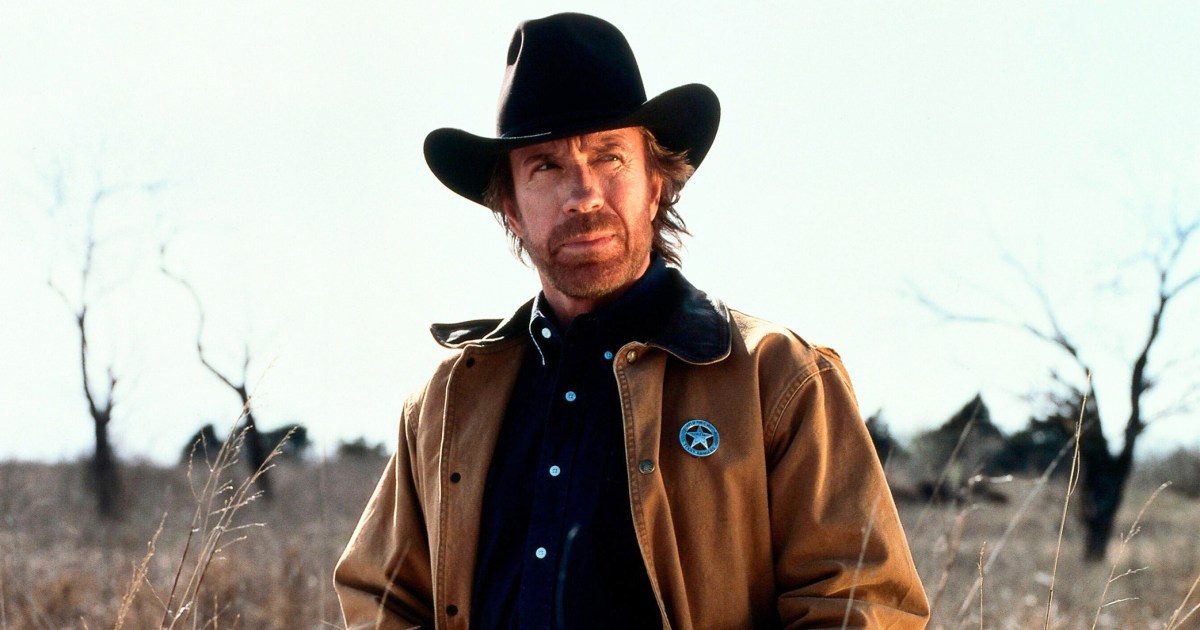
One of the key reasons Walker, Texas Ranger eventually gained a dedicated following was its distinctive approach to storytelling.
Unlike many action series that relied solely on violence and spectacle, Walker, Texas Ranger emphasized moral lessons, integrity, and the importance of doing what is right.
Chuck Norris’s portrayal of Cordell Walker was characterized by a stoic but compassionate hero who upheld justice while adhering to a strong moral code.
The show often tackled social issues such as drug abuse, domestic violence, and corruption, embedding lessons about community, faith, and perseverance.
The series also incorporated martial arts sequences that were both exciting and symbolically meaningful.
Norris’s real-life expertise lent authenticity to the fight scenes, which became a hallmark of the series.
These sequences were not just for entertainment; they reinforced the show’s themes of discipline, self-control, and righteousness.
The Cult Following and Cultural Impact
Despite its initial modest ratings, Walker, Texas Ranger gradually built a loyal fanbase.
The show’s consistent themes of morality, heroism, and American values resonated with audiences seeking wholesome entertainment.
It became a staple of Saturday night programming and was syndicated in numerous countries worldwide.
Over time, the show’s popularity transcended its original run, becoming ingrained in American pop culture.
Chuck Norris’s persona as a moral, almost mythic hero led to countless internet memes, jokes, and references that celebrated his toughness and righteousness.
The phrase “Chuck Norris facts” emerged, humorously exaggerating his superhuman abilities, further cementing his status as a cultural icon.
The series also influenced other television programs that sought to combine action with moral storytelling.
Its success demonstrated that there was a significant audience for content that balanced entertainment with positive messages.
The Show’s End and Legacy
Walker, Texas Ranger concluded its original run in 2001 after nine seasons and 203 episodes.
By then, it had established itself as a beloved classic, with a dedicated fanbase and a lasting legacy.
The show’s influence extended beyond television. Norris leveraged his fame to promote fitness, martial arts, and conservative values.
He became a motivational speaker and author, often referencing the lessons learned from his time on the series.
In the years since its conclusion, Walker, Texas Ranger has experienced a resurgence in popularity through reruns and streaming platforms.
New generations continue to discover the series, appreciating its blend of action, morality, and Americana.
The Unlikely Success: A Reflection on Persistence and Authenticity
Looking back, the story of Walker, Texas Ranger exemplifies how initial skepticism does not necessarily determine ultimate success.
The show’s journey from an uncertain venture to a cultural touchstone underscores the importance of authenticity, perseverance, and understanding the audience.
Chuck Norris’s involvement was pivotal. His reputation as a martial artist and his sincere portrayal of Cordell Walker lent credibility and depth to the character.
His commitment to the show’s themes of integrity and justice resonated with viewers, helping to elevate Walker, Texas Ranger beyond a typical action series.
Conclusion
In conclusion, the narrative of Walker, Texas Ranger and Chuck Norris’s role in its rise is a testament to the unpredictable nature of television success.
It highlights how a project initially viewed with skepticism can become an enduring cultural phenomenon through dedication, authenticity, and a clear vision.
Today, Walker, Texas Ranger remains a symbol of American values, martial arts mastery, and the power of perseverance—proof that even when a show is far from a guaranteed hit, it can still leave a lasting legacy.
News

The Nancy Guthrie Case: Unraveling the Secrets of a Mysterious Disappearance and the Hidden Clues in Her Bedroom
The Nancy Guthrie Case: Unraveling the Secrets of a Mysterious Disappearance and the Hidden Clues in Her Bedroom In the…

Hoda Kotb just revealed a secret pact made over bad diner coffee—and it changes everything.
Hoda Kotb just revealed a secret pact made over bad diner coffee—and it changes everything. In a candid and surprising…

Spring Awakens with Exciting New Beginnings: Spotlight on Ariana DeBose, Golda Rosheuvel, and Captain Jason
Spring Awakens with Exciting New Beginnings: Spotlight on Ariana DeBose, Golda Rosheuvel, and Captain Jason As the season of renewal…

Caitlin Clark: The Dynamic Force Leading Team USA to New Heights
Caitlin Clark: The Dynamic Force Leading Team USA to New Heights In the world of international basketball, few athletes have…

Breaking News: James Trafford to Start for Manchester United in the Carabao Cup Final Against Arsenal
Breaking News: James Trafford to Start for Manchester United in the Carabao Cup Final Against Arsenal In a significant development…
Johnny Knoxville Joins Us to Discuss the Exciting New Season of ‘Fear Factor: House of Fear’
Johnny Knoxville Joins Us to Discuss the Exciting New Season of ‘Fear Factor: House of Fear’ In the world of…
End of content
No more pages to load