
Sandro Tonali: The Hidden Target That Could Have Changed Manchester United’s Summer Transfer Strategy
In the ever-evolving landscape of football, transfer windows are periods of intense speculation, strategic planning, and sometimes, missed opportunities.
One such instance that has recently come to light involves Manchester United’s transfer ambitions last summer, specifically their interest in Italian midfielder Sandro Tonali.
The revelation that Tonali was identified as a priority target, yet ultimately not pursued due to financial considerations, offers a fascinating glimpse into the inner workings of one of Europe’s most storied clubs.
It also raises questions about how financial constraints and strategic priorities shape transfer decisions at the highest level of professional football.
The Background: Manchester United’s Transfer Strategy Last Summer

Manchester United, a club with a rich history and a global fanbase, has long been known for its ambitious transfer strategies.
Under the management of Erik ten Hag, the club aimed to strengthen its squad to contend more effectively in both domestic and European competitions.
The summer transfer window of 2023 was particularly significant, as the club sought to address key areas needing reinforcement, especially in midfield, where consistency and creativity had often been lacking.
The club’s transfer strategy typically involves a combination of scouting, analytics, and negotiations, all aimed at acquiring players who can make an immediate impact while also fitting into the club’s long-term vision.
However, these ambitions are invariably tempered by financial realities, including budget constraints, wage structures, and the overall financial health of the club.
The Discovery: Sandro Tonali as a Priority Target

According to sources close to the club’s transfer planning, Sandro Tonali was identified as a top priority during the summer.
The Italian international, renowned for his composure, tactical intelligence, and versatility in midfield, had been making waves at AC Milan, where he established himself as one of Europe’s most promising young midfielders.
Tonali’s style of play aligns well with Manchester United’s tactical approach, emphasizing ball retention, positional awareness, and the ability to initiate attacks from deep.
His youthfulness also fits into the club’s broader strategy of building a squad with a blend of experienced veterans and promising young talent.
The scouting reports on Tonali painted a picture of a player who could immediately slot into United’s midfield, providing both stability and creativity.
His ability to operate in multiple roles—whether as a deep-lying playmaker or a box-to-box midfielder—made him an attractive option for Erik ten Hag’s tactical plans.
The Financial Dilemma: Why Was Tonali Not Pursued?
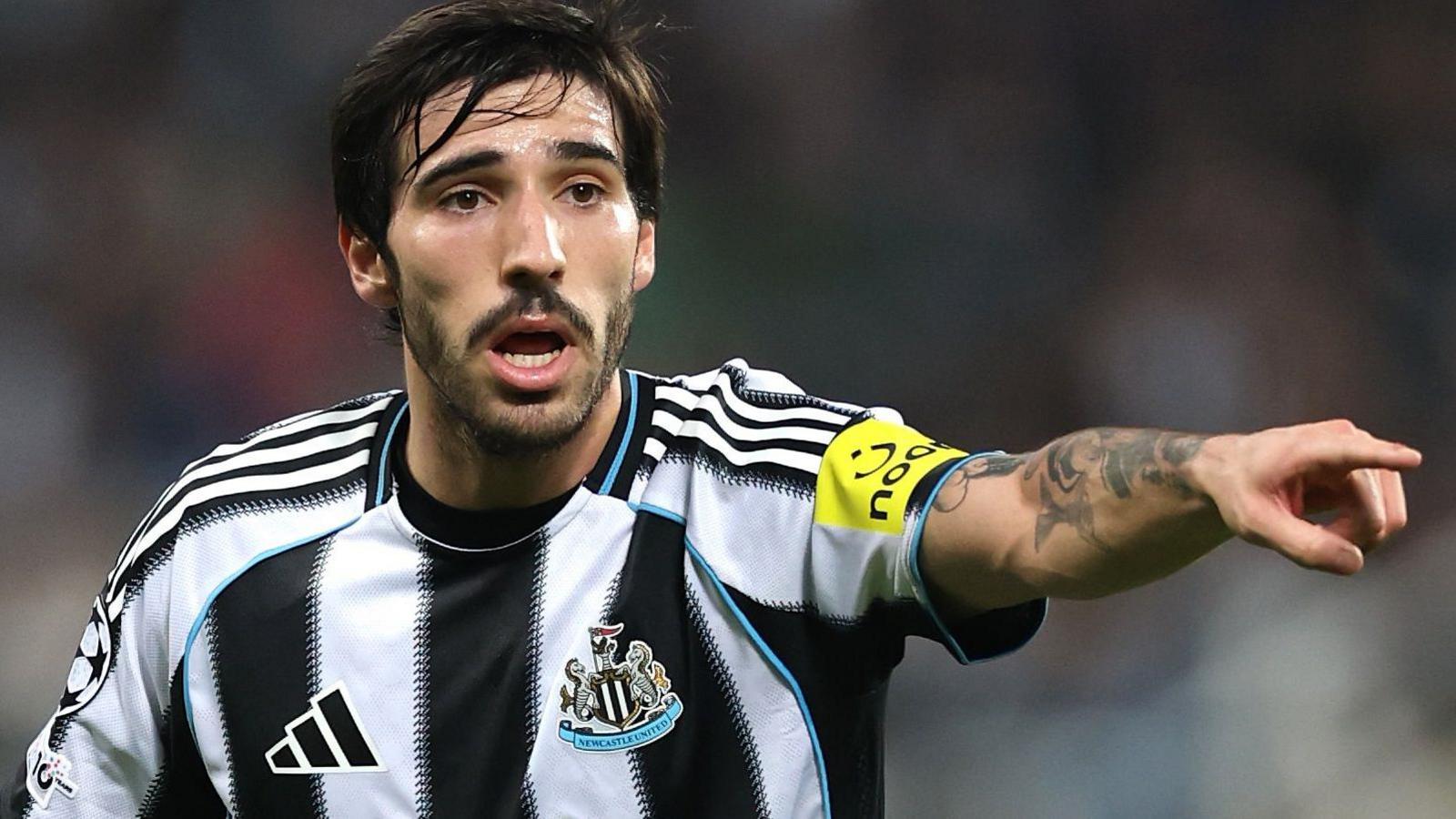
Despite the clear tactical fit and the high regard in which Tonali was held, Manchester United ultimately decided not to pursue a formal bid.
The primary reason, as insiders have revealed, was the overall cost involved in acquiring the player.
At the time, AC Milan valued Tonali highly, reflecting his importance to the club and his rising market value.
The transfer fee, combined with the wages and potential agent fees, created a financial hurdle that the club was unwilling or unable to clear within their budget constraints.
Furthermore, the club’s financial situation played a role. Manchester United, although financially robust compared to many clubs, was navigating a period of careful financial planning, especially following the significant investments made in recent seasons.
The club’s management was keen to avoid overextending themselves financially, particularly given the unpredictable nature of football revenue streams and the need to balance competitiveness with fiscal responsibility.
This cautious approach meant that even though Tonali was a priority, the club opted to focus on other targets or internal options that might have been more financially viable.
It’s worth noting that transfer decisions are rarely based solely on player quality; they are a complex calculus involving market value, wages, squad harmony, and future planning.
The Broader Context: Manchester United’s Transfer Market Approach
Manchester United’s transfer approach has historically been a mix of high-profile signings and strategic acquisitions.
The club’s management has often prioritized marquee players—those who can instantly elevate the team’s profile and performance.
However, in recent years, there has been a shift towards more measured, data-driven decisions, especially under the current management.
The club’s focus on financial sustainability is also evident in their transfer dealings.
While they have occasionally broken transfer records, they have also shown a willingness to explore alternative options, including free transfers, loans, and younger players with high potential.
In this context, the decision not to pursue Tonali was likely influenced by a combination of factors: the high transfer fee, wage demands, and the availability of other options that offered better value for money.
It also reflects a broader trend in modern football—clubs are increasingly weighing the long-term financial implications of their signings, especially in a post-pandemic era where revenues remain volatile.
The Impact of the Missed Opportunity
While Manchester United’s decision not to pursue Tonali might seem like a missed opportunity in hindsight, it’s important to recognize the complexities involved.
Football clubs operate in a dynamic environment where every transfer decision has ripple effects across the squad, finances, and future planning.
Had United gone ahead with the transfer, it could have provided an immediate boost to their midfield options.
Tonali’s presence might have alleviated some of the pressure on existing players, introduced fresh tactical options, and potentially contributed to better results on the pitch.
On the other hand, the financial commitment required might have limited the club’s ability to make other necessary signings or affected their wage structure.
It might also have set a precedent for overextending financially, which could have repercussions in the long term.
The Future: Will Manchester United Revisit the Idea?
As the transfer window closed and the season progressed, speculation about Manchester United’s future transfer plans continued.
The club’s management remains aware of the need to bolster their squad, especially in midfield, where injuries and inconsistent performances have highlighted vulnerabilities.
Sandro Tonali’s name has not disappeared from the rumor mill. Given his talent and potential, it’s plausible that United could revisit the idea in the next transfer window or even in the summer of 2024, depending on how their financial situation evolves and how other targets are prioritized.
The club’s scouting network continues to monitor the market, and with the evolving landscape of European football, new opportunities may arise.
If the financial conditions align, and if the player’s market value adjusts accordingly, Manchester United might make a strategic move to bring Tonali to Old Trafford.
The Broader Implications: What This Tells Us About Modern Football Transfers
The story of Sandro Tonali’s near-move to Manchester United encapsulates several key themes in modern football transfers:
Financial Prudence vs. Ambition: Clubs must balance their desire to sign top talent with financial sustainability. The high costs associated with top-tier players often lead to difficult decisions.
Strategic Fit: Not every talented player fits into a club’s tactical plans or long-term vision. Scouting and analysis are crucial in making informed decisions.
Market Dynamics: Player valuations fluctuate based on form, age, contract length, and market demand. Clubs must stay agile to capitalize on favorable conditions.
Long-term Planning: Transfer decisions are interconnected, influencing squad harmony, wage structures, and future flexibility.
Conclusion
The revelation that Manchester United identified Sandro Tonali as a priority target last summer, yet chose not to pursue him due to financial considerations, offers a nuanced perspective on the complexities of football transfer dealings.
It underscores that even for one of the world’s biggest clubs, ambition must often be tempered by pragmatism.
As the club moves forward, fans and analysts alike will be watching closely to see if the Italian midfielder’s name reappears on the transfer radar.
For now, the story serves as a reminder that behind every headline of a big signing lies a web of strategic calculations, financial constraints, and long-term planning—elements that define the beautiful game at the highest level.
News

Caitlin Clark Breaks Silence Amid Mounting Criticism: “What’s Happening to Me Is a Crime Against Basketball”
Caitlin Clark Breaks Silence Amid Mounting Criticism: “What’s Happening to Me Is a Crime Against Basketball” In the world of…

Lili Reinhart: A Deep Dive into Her Roots, Career, and Gratitude for “Riverdale”
Lili Reinhart: A Deep Dive into Her Roots, Career, and Gratitude for “Riverdale” Lili Reinhart, a prominent figure in contemporary…
Ken Jennings Shocks the World with Unexpected Political Announcement, Ending 60 Years of Neutrality
Ken Jennings just lit a match and walked away—leaving Jeopardy! fans stunned, furious, and demanding answers. The one thing he was NEVER…

Analyzing Don Lemon’s Perspective on Journalism Credentials: A Deep Dive into the Debate Over Formal Training and Mainstream Media
Analyzing Don Lemon’s Perspective on Journalism Credentials: A Deep Dive into the Debate Over Formal Training and Mainstream Media In…
Savannah Guthrie’s Heart-Wrenching Words Shock Fans and Colleagues Alike: An In-Depth Look at Her Emotional Moment on Live TV
Savannah Guthrie completely BROKE DOWN on live television, sobbing uncontrollably as she uttered the words no one was prepared to…
Celine Dion Announces Highly Anticipated Return to the Stage After Battling Rare Neurological Disorder
Celine Dion Announces Highly Anticipated Return to the Stage After Battling Rare Neurological Disorder Paris, France — In a momentous…
End of content
No more pages to load