Mark Zuckerberg’s Vision for Humanity: An Alarming Future or a Misunderstood Dream?
In the ever-evolving landscape of technology and social media, few figures have had as profound an impact as Mark Zuckerberg, the co-founder and CEO of Meta Platforms (formerly Facebook).
His vision for the future of humanity, centered around connectivity, virtual reality, and digital integration, has been lauded by some as revolutionary and transformative.
However, a growing chorus of critics and concerned observers argue that Zuckerberg’s ambitions could lead us down a perilous path—one that threatens privacy, autonomy, and even the very fabric of human society.
This article explores the concerns surrounding Zuckerberg’s vision, analyzing its potential implications for humanity, and why many perceive it as terrifying rather than promising.
The Genesis of Zuckerberg’s Vision

Mark Zuckerberg’s journey began in his Harvard dorm room, where he launched Facebook in 2004.
What started as a social networking site for college students quickly expanded into a global platform with billions of users worldwide.
Over the years, Zuckerberg has consistently articulated a vision of a more connected world—one where technology bridges gaps, fosters understanding, and creates new opportunities for human interaction.
In recent years, this vision has evolved to include ambitious projects such as the Metaverse—a vast, immersive virtual universe that promises to revolutionize how people work, socialize, and entertain themselves.
Zuckerberg envisions a future where digital and physical realities blend seamlessly, enabling unprecedented levels of interaction and engagement.
The Promise of a Connected World
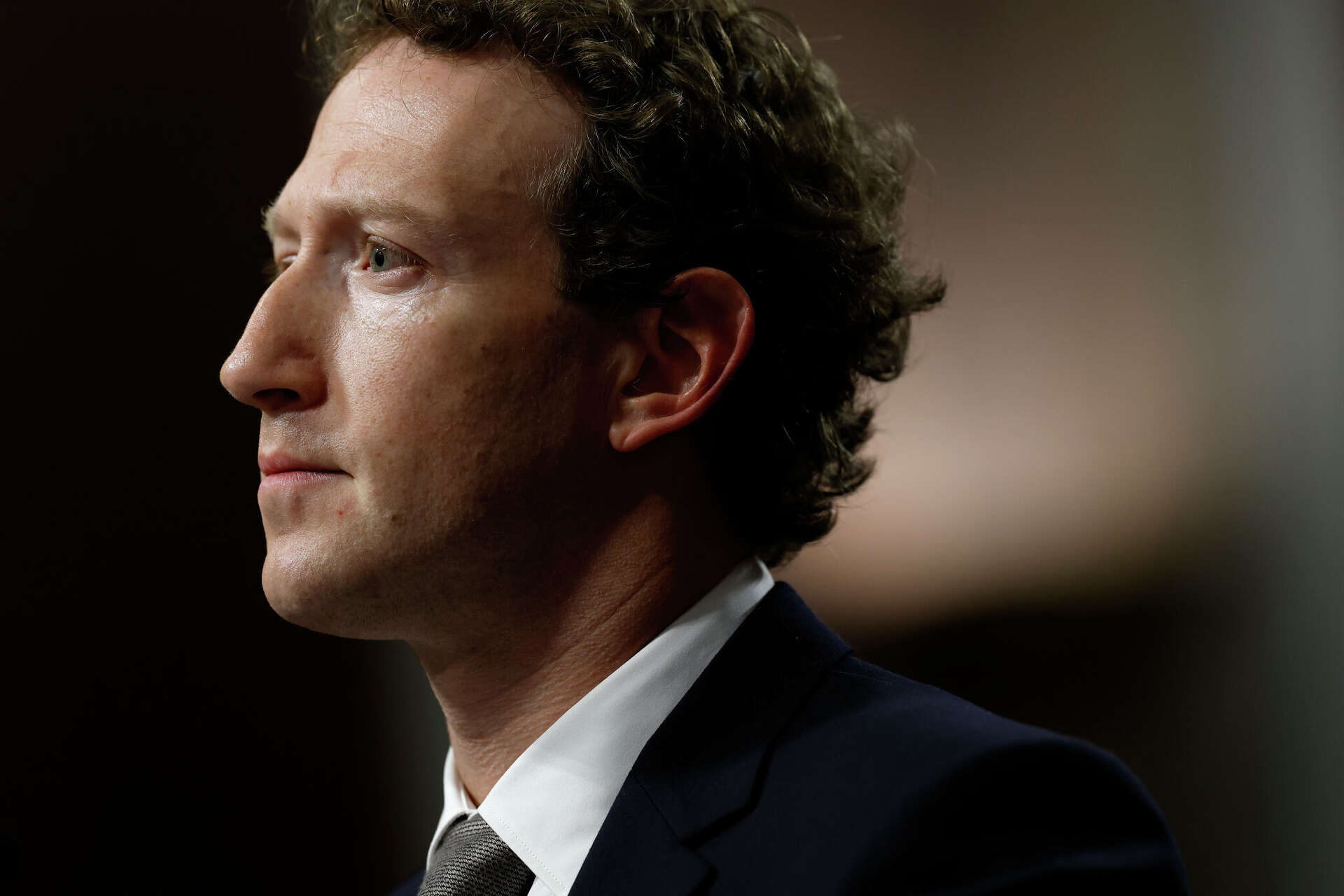
Proponents argue that Zuckerberg’s vision could eradicate geographical barriers, democratize information, and foster global understanding. The idea of a hyper-connected society promises numerous benefits:
Enhanced Communication: Breaking down language and distance barriers.
Economic Opportunities: Creating new markets and jobs in virtual spaces.
Educational Access: Providing immersive learning environments.
Healthcare Innovations: Telemedicine and virtual health consultations.
For many, these prospects are exciting and represent the next step in human evolution. However, beneath this veneer of progress lie significant concerns that threaten to overshadow the potential benefits.
The Dark Side of Zuckerberg’s Digital Dream
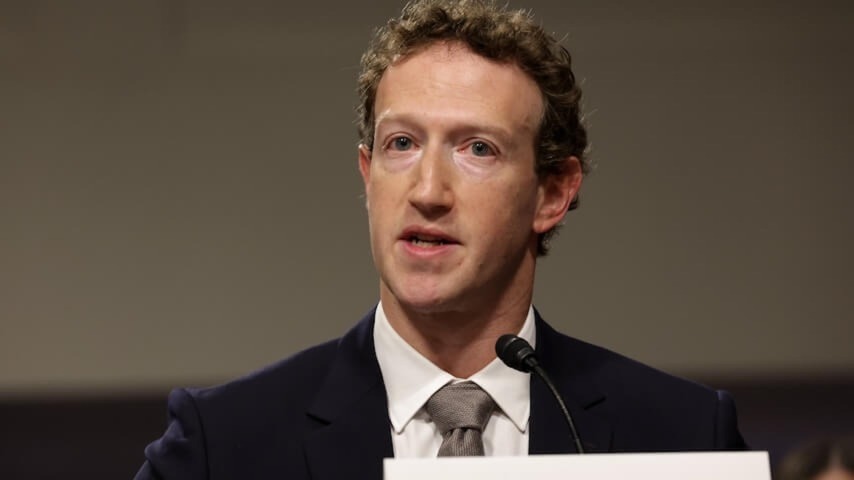
While the vision of a fully connected digital universe may sound appealing, critics warn that it also opens the door to a host of dangers.
These concerns are multi-faceted, encompassing privacy violations, mental health impacts, societal fragmentation, and even the erosion of personal autonomy.
Privacy and Data Security
One of the most persistent issues associated with Zuckerberg’s platforms is the handling of user data.
Meta’s business model relies heavily on targeted advertising, which necessitates extensive data collection.
Critics argue that this creates a surveillance economy where personal information is commodified, often without explicit user consent.
The advent of the Metaverse raises new privacy concerns. Immersive virtual environments could enable unprecedented levels of data collection—tracking biometric data, emotional responses, and even subconscious reactions. Such information could be exploited for profit, manipulation, or worse.
Mental Health and Social Well-being
Research increasingly links social media use to mental health issues, including anxiety, depression, and loneliness.
Zuckerberg’s vision of an immersive digital universe could exacerbate these problems, encouraging prolonged virtual engagement at the expense of real-world interactions.
Moreover, the potential for addiction to virtual environments poses a serious concern.
As users become more immersed in the Metaverse, they may withdraw from physical social relationships, leading to social isolation and mental health deterioration.
Societal Fragmentation and Echo Chambers
Despite Zuckerberg’s claims of fostering global understanding, critics contend that digital platforms often reinforce societal divisions.
Algorithms that prioritize engagement can create echo chambers, where users are exposed only to viewpoints that confirm their biases.
In a fully virtual future, these divisions could deepen, fragmenting societies rather than uniting them.
The risk of misinformation, online harassment, and polarization could intensify, undermining social cohesion.
Autonomy and Human Agency
Perhaps the most unsettling aspect of Zuckerberg’s vision is the potential for technological manipulation.
Virtual environments could be designed to influence user behavior subtly, raising ethical questions about free will and autonomy.
The integration of artificial intelligence within the Metaverse could lead to scenarios where human decisions are subtly guided or manipulated, eroding individual agency and autonomy.
Ethical and Regulatory Challenges
Implementing Zuckerberg’s vision at scale would require navigating complex ethical and regulatory landscapes.
Governments and international bodies are already grappling with issues related to data privacy, online harassment, and digital rights.
Without robust safeguards, the risk is that the technology could be exploited by malicious actors, corporations, or authoritarian regimes to control populations, suppress dissent, or manipulate public opinion.
The Future: Utopian or Dystopian?
The debate over Zuckerberg’s vision is fundamentally a debate over the future of humanity.
Will technology serve as a tool for empowerment and progress, or will it become a means of control and exploitation?
While some see the Metaverse as a new frontier for human innovation, others view it as a potential dystopia—an environment where human agency is diminished, privacy is obliterated, and societal divisions are amplified.
The Need for Vigilance and Ethical Oversight
As the technology develops, it is crucial for stakeholders—including governments, civil society, and the tech industry itself—to prioritize ethical considerations.
Transparent policies, user rights protections, and rigorous oversight are essential to ensure that technological advancement does not come at the cost of human dignity and freedom.
Conclusion: A Call for Caution
Mark Zuckerberg’s vision for the future of humanity is undeniably ambitious.
Its promise of a hyper-connected world offers exciting possibilities, but it also raises profound ethical, social, and psychological concerns.
As we stand on the cusp of this digital frontier, it is vital to approach these developments with caution, vigilance, and a commitment to safeguarding human values.
The future Zuckerberg envisions could either elevate humanity to new heights or trap us in a digital nightmare.
The choice lies with us—how we shape the technology, regulate its use, and prioritize human well-being over unchecked innovation.
News

From Rising Star to Global Spotlight: Alejandro Balde Shines Bright at the Globe Soccer Awards 2025 in Dubai
From Rising Star to Global Spotlight: Alejandro Balde Shines Bright at the Globe Soccer Awards 2025 in Dubai In the…

Breaking News: Cole Adams Becomes Third Alabama Wide Receiver to Enter Transfer Portal Amidst Ongoing Player Movement
Breaking News: Cole Adams Becomes Third Alabama Wide Receiver to Enter Transfer Portal Amidst Ongoing Player Movement In a significant…

Show Love if Kaley Is Always a Vibe: An In-Depth Look at the Phenomenon
Show Love if Kaley Is Always a Vibe: An In-Depth Look at the Phenomenon In today’s fast-paced digital age, where…

Anticipation Builds as Another Year of Marta’s Football Magic Approaches: A Deep Dive into the Iconic Player’s Impact and Future Prospects
Anticipation Builds as Another Year of Marta’s Football Magic Approaches: A Deep Dive into the Iconic Player’s Impact and Future…

Celebrating a Legend: Steve Martin and Martin Short Pay Tribute to Diane Keaton in a Heartfelt Reflection as the Year Ends
Celebrating a Legend: Steve Martin and Martin Short Pay Tribute to Diane Keaton in a Heartfelt Reflection as the Year…

Incentives and High Stakes: Patriots Wide Receiver Stefon Diggs Eyes Critical Milestone in Sunday’s Game Against Miami
Incentives and High Stakes: Patriots Wide Receiver Stefon Diggs Eyes Critical Milestone in Sunday’s Game Against Miami As the NFL…
End of content
No more pages to load