
Chuck D of Public Enemy Responds to Gene Simmons’ Criticism of Hip-Hop’s Place in the Rock and Roll Hall of Fame
In the ever-evolving landscape of music history and cultural recognition, few debates have been as persistent and contentious as the ongoing discussion about the inclusion of hip-hop artists in the Rock and Roll Hall of Fame.
For decades, the institution has celebrated the pioneers and icons of rock, pop, and related genres, but the rise of hip-hop as a dominant cultural and musical force has challenged traditional boundaries and sparked fierce debates among fans, critics, and industry insiders alike.
Among the most vocal critics of hip-hop’s inclusion in the Rock and Roll Hall of Fame is Gene Simmons, the legendary bassist and singer of the iconic rock band KISS.
Simmons has been a recurring figure in this controversy, often voicing his skepticism about whether hip-hop deserves a place alongside the “roots” of rock and roll.
His criticisms have sparked responses from artists and advocates within the hip-hop community, most notably from Chuck D, the influential frontman of Public Enemy, one of the most groundbreaking and politically conscious groups in rap history.
The Background of the Debate
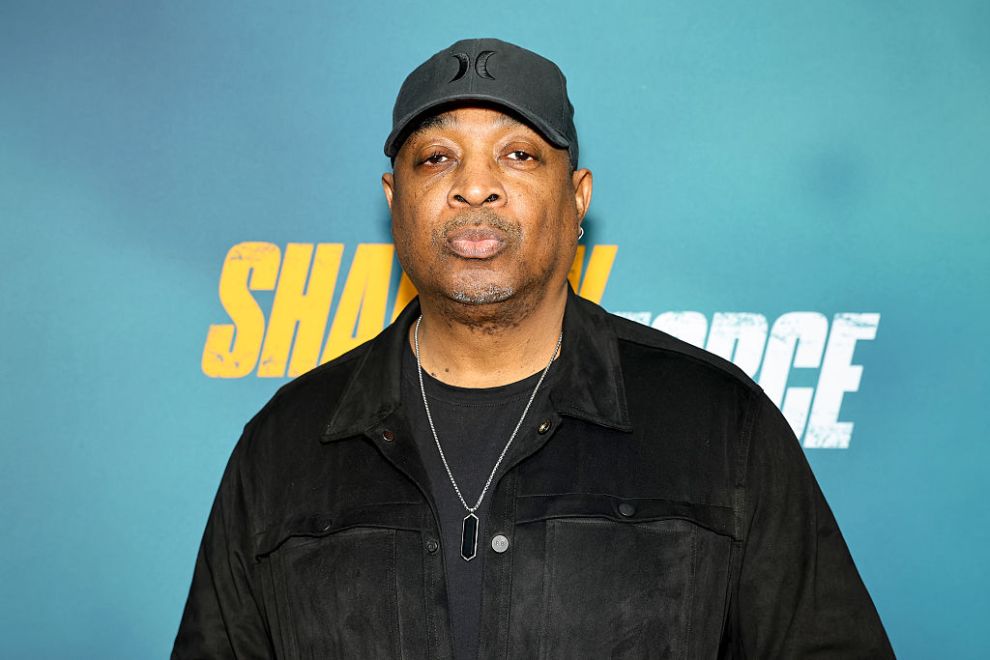
To understand the significance of Chuck D’s response, it’s essential to contextualize the ongoing debate about the classification and recognition of hip-hop within the broader musical canon.
Since its emergence in the late 1970s in the Bronx, hip-hop has grown from a local cultural movement into a global phenomenon, influencing music, fashion, language, and social activism across continents.
Despite its widespread influence, the genre has often faced skepticism from traditional rock audiences and industry gatekeepers.
The Rock and Roll Hall of Fame, established in 1983, has historically celebrated artists like Elvis Presley, The Beatles, Led Zeppelin, and other pioneers of rock music.
Over the years, the Hall has expanded its scope to include genres like punk, metal, and alternative rock, but the inclusion of hip-hop artists has often been met with resistance.
Gene Simmons’ Perspective

Gene Simmons, known for his outspoken personality and unapologetic opinions, has been one of the most prominent critics of hip-hop’s recognition within the rock establishment.
Simmons has argued that hip-hop, while culturally significant, does not belong in the same category as rock and roll, which he and many others consider to be rooted in live instrumentation, guitar-driven sound, and a certain rebellious spirit that, in his view, differs from rap music.
In various interviews and public statements over the years, Simmons has expressed the belief that the Hall of Fame should prioritize artists who have directly contributed to the development of rock music, rather than those from other genres that, while influential, do not fit the traditional mold.
His stance reflects a broader debate about what constitutes “rock and roll” and whether the genre’s definition should be expanded to include the diverse forms of music that have emerged over the past few decades.
Chuck D’s Response and Advocacy
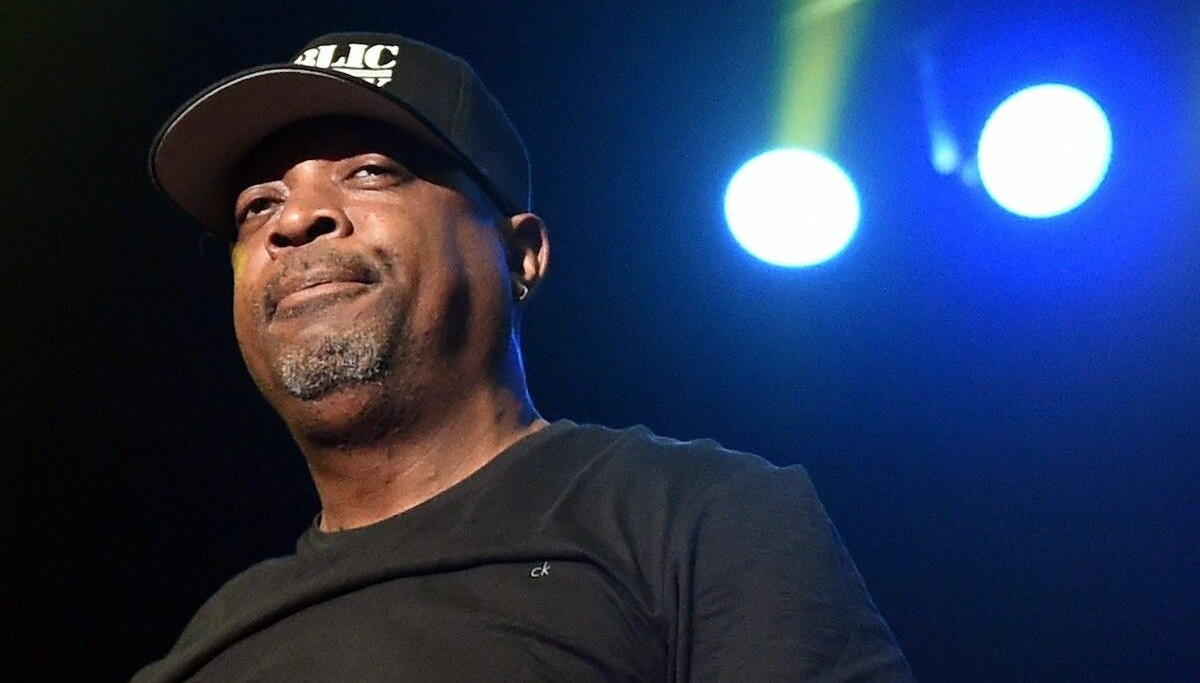
Chuck D, the legendary rapper and activist behind Public Enemy, has been a steadfast advocate for recognizing hip-hop’s rightful place in the pantheon of influential music genres.
Known for his articulate and passionate commentary on social issues, Chuck D has consistently emphasized the cultural importance of hip-hop as a form of artistic expression and social commentary.
His response to Gene Simmons’ criticisms has been both direct and thoughtful. Chuck D has pointed out that hip-hop, like rock and roll, emerged from marginalized communities as a voice of resistance and empowerment.
He underscores that the genre has played a pivotal role in shaping modern music, inspiring countless artists across genres, and addressing critical social issues such as racial inequality, police brutality, and economic disparity.
In interviews and public statements, Chuck D has argued that the criteria for inclusion in the Rock and Roll Hall of Fame should be based on influence, innovation, and cultural significance, rather than strictly on musical instrumentation or traditional notions of “rock.”
He has highlighted the fact that many legendary rock artists, including Chuck Berry and Little Richard, drew inspiration from African American musical traditions—paralleling how hip-hop has roots in African American and Latino communities.
The Broader Cultural Significance
The debate surrounding hip-hop’s place in the Rock and Roll Hall of Fame is emblematic of larger conversations about cultural recognition, genre boundaries, and the evolution of musical identity.
As music genres continue to blend and influence each other, rigid classifications become increasingly outdated.
Hip-hop’s influence on mainstream music is undeniable. From chart-topping hits to Grammy awards, the genre has cemented its place in the global cultural landscape.
Artists like Jay-Z, Tupac Shakur, Notorious B.I.G., Kendrick Lamar, and Missy Elliott have achieved legendary status, breaking barriers and redefining what it means to be a successful artist.
Furthermore, hip-hop has played a crucial role in shaping social and political discourse.
The genre’s emphasis on lyrical storytelling, social critique, and community activism has made it a powerful tool for marginalized voices seeking to effect change.
The Role of the Rock and Roll Hall of Fame
The Rock and Roll Hall of Fame, located in Cleveland, Ohio, has long been regarded as a symbol of musical achievement and cultural recognition.
Its mission is to honor artists who have made a significant impact on the evolution of rock music and related genres.
However, the Hall’s selection process and criteria have often been criticized for their perceived conservatism and lack of inclusivity.
Critics argue that the Hall has historically favored artists from predominantly Western, male-dominated backgrounds, and has been slow to recognize the contributions of women, minorities, and emerging genres like hip-hop.
In recent years, there has been a push for greater diversity and acknowledgment of the genre’s influence beyond traditional rock.
The induction of artists such as Run-D.M.C., N.W.A., and Lauryn Hill signals a shift toward recognizing the broader scope of musical innovation.
The Significance of Inclusion
The inclusion of hip-hop artists in the Rock and Roll Hall of Fame is more than a matter of musical classification; it is a recognition of cultural evolution and the importance of diverse voices in shaping the musical landscape.
It challenges the notion that rock and roll is a static genre confined to a specific sound or era.
For Chuck D and many others, the recognition of hip-hop in the Hall of Fame affirms the genre’s legitimacy as a foundational element of modern music history.
It acknowledges that the genre’s roots are intertwined with the broader narrative of American musical innovation and social change.
The Ongoing Conversation
As the debate continues, it’s clear that perceptions about genre boundaries and cultural significance are evolving.
The music industry and institutions like the Rock and Roll Hall of Fame are gradually adapting to reflect these changes, but resistance remains.
Figures like Gene Simmons represent a traditionalist perspective, emphasizing musical purity and historical continuity.
Conversely, artists like Chuck D champion a more inclusive view that celebrates the diversity and interconnectedness of musical genres.
Conclusion
The ongoing dialogue between Chuck D of Public Enemy and Gene Simmons of KISS encapsulates a larger cultural conversation about the nature of music, identity, and recognition.
While Simmons’ criticisms reflect a desire to preserve a certain traditionalist view of rock, Chuck D’s advocacy underscores the importance of embracing change and acknowledging the contributions of all genres that have shaped contemporary music.
Ultimately, the conversation about hip-hop’s place in the Rock and Roll Hall of Fame is not just about awards or titles; it’s about recognizing the power of music as a force for social change, cultural expression, and artistic innovation.
As music continues to evolve, so too must the institutions that honor its legacy—embracing diversity, celebrating influence, and acknowledging the myriad voices that continue to shape the soundscape of our world.
News

The Unofficial U.S. Mascot of the Olympics: How Snoop Dogg Became a Cultural Icon and Symbol of American Olympic Spirit
The Unofficial U.S. Mascot of the Olympics: How Snoop Dogg Became a Cultural Icon and Symbol of American Olympic Spirit…

The Greatest Premier League Appearances of All Time: A Deep Dive into Football’s Most Enduring Legends
The Greatest Premier League Appearances of All Time: A Deep Dive into Football’s Most Enduring Legends The Premier League, often…

Michael B. Jordan: Celebrating the Actor’s Triumphs and the Unwavering Support of His Family
Michael B. Jordan: Celebrating the Actor’s Triumphs and the Unwavering Support of His Family In the world of Hollywood, where…

Paris Saint-Germain Suffer Third Ligue 1 Defeat of the Season in Narrow 3-1 Loss at Rennes: Analyzing the Setback and Its Implications
Paris Saint-Germain Suffer Third Ligue 1 Defeat of the Season in Narrow 3-1 Loss at Rennes: Analyzing the Setback and…

Ryan Gosling to Host “Saturday Night Live” on March 7, Featuring Musical Guest Gorillaz
Ryan Gosling to Host “Saturday Night Live” on March 7, Featuring Musical Guest Gorillaz In an exciting announcement that has…

Luka Modrić Secures Victory for AC Milan with Decisive Goal in 2-1 Triumph Over Pisa
Luka Modrić Secures Victory for AC Milan with Decisive Goal in 2-1 Triumph Over Pisa A Thrilling Encounter at San…
End of content
No more pages to load