Chappell Roan Reverses Her Praise of Brigitte Bardot Amid Fan Backlash Over the French Icon’s Controversial Political Views
In a recent turn of events that has captured the attention of fans and critics alike, singer-songwriter Chappell Roan has publicly retracted her previous admiration for legendary French actress and singer Brigitte Bardot.
The reversal comes amid a growing backlash from fans and social media users who have voiced their disapproval of Bardot’s well-documented right-wing political views, which have sparked controversy and debate across various platforms.
The Initial Praise: Chappell Roan’s Admiration for Brigitte Bardot
Chappell Roan, known for her soulful voice and candid songwriting, initially expressed admiration for Brigitte Bardot, lauding her as an icon of beauty, glamour, and Hollywood’s golden age.
In interviews and social media posts, Roan highlighted Bardot’s influence on her artistic journey, citing her as a muse and a symbol of unapologetic femininity and independence.
The singer’s comments were well-received by many fans who see Bardot as an enduring cultural icon.
Roan’s admiration was seen as a tribute to Bardot’s legacy in cinema, fashion, and her contributions to the arts. However, the praise was not without controversy, given Bardot’s complex and often problematic political history.
Brigitte Bardot: A Cultural Icon with a Controversial Political Legacy

Brigitte Bardot, born in 1934 in Paris, rose to international fame during the 1950s and 1960s as one of the most glamorous and talented actresses of her generation.
Her striking looks, captivating performances, and magnetic screen presence made her a household name and a symbol of French cinema’s golden era.
Beyond her acting career, Bardot became a fashion icon and a symbol of sensuality and femininity.
Her influence extended beyond the screen into the realms of fashion and popular culture, making her a lasting figure in the public consciousness.
However, Bardot’s legacy is complicated by her political views and activism. Over the decades, she has been outspoken on issues related to immigration, animal rights, and French nationalism.
Her political stance has often been characterized as far-right, and her outspoken opinions have sparked significant controversy.
Bardot’s Political Views and Controversies
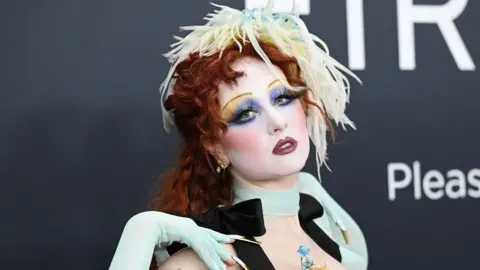
Bardot’s political views have been a subject of intense debate and criticism.
She has publicly expressed anti-immigration sentiments and has been associated with nationalist and conservative causes.
Her comments on immigration policies and cultural identity have led to accusations of xenophobia and racism.
In 2008, Bardot was convicted of inciting racial hatred after making controversial comments about Muslim immigrants in France.
She received a fine and a suspended sentence, but her statements continued to generate controversy.
Animal Rights Advocacy and Its Impact

Despite her political controversies, Bardot has also been celebrated for her passionate advocacy for animal rights.
She founded the Brigitte Bardot Foundation for the Welfare and Protection of Animals, which has worked tirelessly to combat animal cruelty and promote animal welfare worldwide.
Her animal rights activism has earned her praise from various quarters, but it has also added to the complexity of her public image.
Some critics argue that her political views overshadow her humanitarian efforts, while supporters see her as a dedicated advocate for animal welfare.
The Backlash: Fans React to Chappell Roan’s Comments
Chappell Roan’s initial praise of Bardot was met with mixed reactions. While some fans appreciated her acknowledgment of a cultural icon, others expressed discomfort given Bardot’s political history.
As Roan’s comments gained traction on social media, a wave of criticism emerged, highlighting concerns over endorsing or celebrating figures with controversial political legacies.
Many fans took to Twitter, Instagram, and TikTok to voice their opinions, with some calling for greater awareness and sensitivity when discussing historical figures.
Critics argued that celebrating Bardot without acknowledging her political views could be seen as dismissive of the harm caused by her outspoken opinions.
Social Media Reactions and Public Discourse
The social media backlash was swift and widespread. Hashtags such as #ChappellRoan and #BoycottBardot trended as users debated the appropriateness of honoring Bardot’s legacy.
Some fans emphasized the importance of separating art from politics, while others insisted that admiration for Bardot should include a critical understanding of her controversial views.
Public discourse also touched on broader themes of how society remembers and venerates cultural icons with problematic histories.
The debate underscores the ongoing tension between appreciating artistic contributions and acknowledging the impact of political beliefs and actions.
Chappell Roan’s Response and Reversal
In light of the mounting criticism, Chappell Roan issued a public statement clarifying her position.
She expressed regret for any offense caused by her previous comments and acknowledged the importance of recognizing the full scope of Bardot’s legacy.
The Statement
In her statement, Roan emphasized her respect for Bardot’s influence on her artistry but also recognized the problematic aspects of her political views. She stated:
“I want to clarify my previous comments about Brigitte Bardot. While I have always admired her as an artist and a cultural icon, I now understand that celebrating her without acknowledging her controversial political views is incomplete.
I condemn any form of hate or discrimination, and I believe it’s important to hold space for critical conversations about the figures we admire.”
The Reversal
Following her statement, Roan publicly retracted her earlier praise, emphasizing her commitment to social justice and inclusivity.
She highlighted the importance of listening to diverse perspectives and being mindful of the complexities surrounding historical figures.
The Broader Context: Navigating Legacy and Controversy in the Public Eye
Chappell Roan’s experience is not unique. Many public figures face the challenge of reconciling admiration for cultural icons with the realities of their political or personal beliefs.
This incident raises important questions about how society honors and remembers influential figures who have problematic histories.
The Role of Public Figures in Shaping Cultural Narratives
Public figures, especially artists and celebrities, have significant influence over cultural narratives.
Their endorsements and praise can shape public perceptions and reinforce certain values. However, this power also comes with responsibility.
When praising historical figures, it is increasingly important to consider the full context of their lives, including their political beliefs and actions.
Failing to do so can inadvertently perpetuate harmful ideologies or overlook the pain caused by certain views.
The Importance of Critical Engagement
The controversy surrounding Chappell Roan’s comments underscores the importance of critical engagement with history and culture.
Fans, critics, and public figures alike are encouraged to approach legacies with nuance, recognizing both achievements and flaws.
Educational initiatives, open dialogues, and media literacy play vital roles in fostering a more informed and empathetic society.
Celebrating cultural icons should not mean ignoring their problematic aspects but rather understanding and addressing them responsibly.
The Impact on Chappell Roan’s Career and Public Image
While the controversy has generated significant media coverage, it is too early to determine its long-term impact on Chappell Roan’s career.
Some fans have praised her for her honesty and willingness to listen, while others remain critical.
Moving Forward
Roan’s response demonstrates a commitment to growth and accountability.
Many public figures have navigated similar controversies by engaging in open conversations and demonstrating a willingness to learn from their mistakes.
Her experience serves as a reminder of the importance of thoughtful communication and the need for artists to be aware of the broader implications of their words.
Conclusion: Reflecting on Legacy, Responsibility, and Cultural Memory
The case of Chappell Roan and her reversal regarding Brigitte Bardot highlights the complex interplay between admiration, critique, and responsibility in the realm of cultural memory.
As society continues to grapple with historical figures’ legacies, it becomes increasingly vital to approach such discussions with nuance, empathy, and critical thinking.
While celebrating the achievements of icons like Bardot, it is equally important to acknowledge and confront the problematic aspects of their beliefs and actions.
Public figures like Roan play a crucial role in shaping these conversations, reminding us that understanding history requires both appreciation and accountability.
In the end, the goal is to foster a culture that honors artistic and cultural contributions while remaining vigilant against the perpetuation of harmful ideologies.
As debates continue and perspectives evolve, one thing remains clear: responsible engagement with history is essential for building a more inclusive and understanding society.
News
Historic Victory: Oklahoma City Thunder Dominate Philadelphia 76ers 129-104 – A Game That Silenced All Doubts and Showcased True Team Strength
Historic Victory: Oklahoma City Thunder Dominate Philadelphia 76ers 129-104 – A Game That Silenced All Doubts and Showcased True Team…
Savannah Chrisley to Co-Host ‘The View’ for a Week in February Amid Family Controversy
Savannah Chrisley to Co-Host ‘The View’ for a Week in February Amid Family Controversy In a surprising turn of events…

Jackie Redmond Shines Behind the Scenes at the Final RAW of 2025: A Look into the WWE Broadcast Legend’s Role and Impact
Jackie Redmond Shines Behind the Scenes at the Final RAW of 2025: A Look into the WWE Broadcast Legend’s Role…
Breaking News: Veteran Quarterback Philip Rivers Announces Retirement from the NFL at Age 44 Following Short-lived Comeback
Breaking News: Veteran Quarterback Philip Rivers Announces Retirement from the NFL at Age 44 Following Short-lived Comeback In a surprising…
Lavonte David’s Potential Farewell: A Final Home Game as a Buccaneer on Saturday
Lavonte David’s Potential Farewell: A Final Home Game as a Buccaneer on Saturday In the world of professional football, few…

Harlem’s Legacy: How the Heart of the Neighborhood Shaped a Man Who Never Forgot His Roots
Harlem’s Legacy: How the Heart of the Neighborhood Shaped a Man Who Never Forgot His Roots In the bustling streets…
End of content
No more pages to load