The Bail Decision Austin Metcalf’s Family Can’t Forget: Karmelo Anthony’s $250,000 Release Has Become a Symbol of Heartbreak and Anger Surrounding the Trial
In the quiet suburbs of Frisco, Texas, where high school track meets are typically filled with the sounds of cheering crowds, flying spikes, and youthful ambition, one afternoon in April 2025 shattered a community and left a family forever changed.
The fatal stabbing of 17-year-old Austin Metcalf during a regional track event has become one of the most emotionally charged criminal cases in recent North Texas history.
At the center of the ongoing pain for Metcalf’s loved ones is a bail decision that continues to sting more than a year later: the release of accused killer Karmelo Anthony on a reduced $250,000 bond. What many see as a routine judicial ruling has, for Austin’s family, transformed into a potent symbol of perceived injustice, systemic imbalance, and the profound heartbreak that lingers when a loved one is taken too soon.
As Anthony’s trial unfolds, this single decision remains a focal point of anger, reflection, and calls for accountability that refuse to fade.
This in-depth journalistic examination explores the circumstances surrounding Austin Metcalf’s death, the details of Karmelo Anthony’s arrest and bond reduction, the Metcalf family’s raw emotional response, the legal arguments on both sides, the broader context of juvenile justice and self-defense claims in Texas, public reactions, and the lasting societal questions raised by a case that has divided opinions while uniting a community in grief.
More than a year after the tragedy, the $250,000 bail decision stands as a painful reminder that the wheels of justice can sometimes feel agonizingly slow and uneven for those left behind.
The Track Meet Tragedy: How a Routine Event Ended in Tragedy
On April 2, 2025, Memorial High School and Centennial High School athletes gathered for a standard regional track and field competition at a Frisco ISD facility. What should have been a celebration of athletic achievement turned deadly when an altercation broke out in the stands or team tent area.
According to court documents and witness statements, 17-year-old Karmelo Anthony, a student from Centennial, entered a rival team’s space.
A confrontation with Austin Metcalf, a 17-year-old from Memorial, escalated rapidly. Prosecutors allege Anthony stabbed Metcalf in the chest with a pocketknife in what they describe as a sudden and unprovoked attack. Metcalf collapsed and died in the arms of his twin brother, an image that has haunted family members and witnesses ever since.
Anthony surrendered to authorities shortly after the incident, telling investigators he acted in self-defense after feeling threatened.
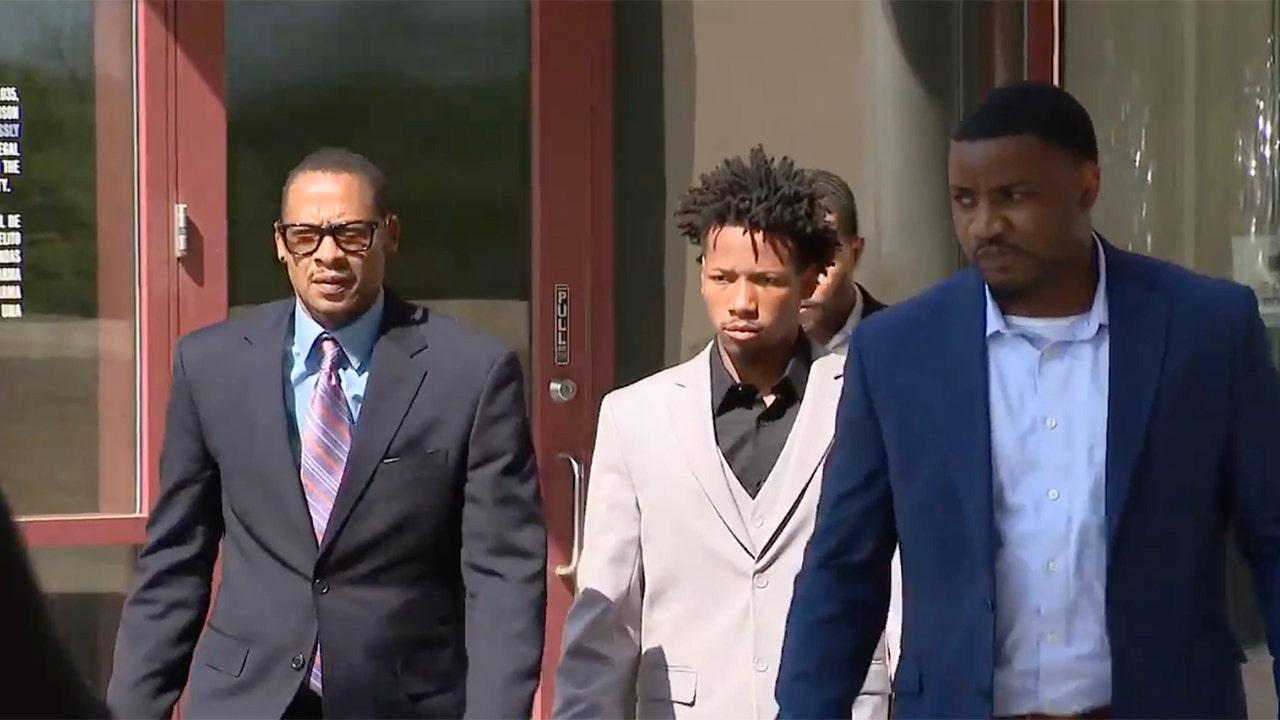
He was charged with first-degree murder and initially held on a $1 million bond. The case quickly drew intense media attention due to the ages of those involved, the setting of a school-sanctioned event, and the raw emotions of two families forever altered by violence.
Video evidence, witness testimonies, and physical evidence presented in pretrial hearings have painted competing narratives: one of a provoked self-defense claim and another of an aggressive, disproportionate response that ended a young life.
The Bail Hearing and the Controversial Reduction
In mid-April 2025, Anthony’s legal team successfully argued for a bond reduction during a hearing before Collin County Judge Angela Tucker.
The judge cited Anthony’s lack of prior criminal history, his academic and athletic achievements, and assessments that he was not a significant flight risk.
The bond was lowered from $1 million to $250,000. Anthony posted bond and was released under strict conditions, including house arrest, an ankle monitor, adult supervision, weekly check-ins with the court, no social media access, and no contact with the Metcalf family.
For Austin Metcalf’s family, the decision felt like a devastating blow. Jeff Metcalf, Austin’s father, has publicly expressed profound disappointment and anger, describing the reduced bond as a failure to prioritize justice for his son.
The family has repeatedly stated that the ruling compounded their grief, making them feel that the system undervalued Austin’s life. In interviews and statements, they have emphasized that no amount of money can replace their son, and that Anthony’s release allowed him to return home while they continued to mourn at a graveside.
The $250,000 figure has become a rallying point in online discussions and public commentary, symbolizing for many what they perceive as leniency toward the accused in a case involving the loss of a promising young athlete.
Legal experts note that bond decisions in Texas consider factors such as flight risk, community safety, criminal history, and ability to pay. Supporters of the reduction argue it aligned with standard practices for a juvenile-turned-adult defendant with no priors.
Critics, including the Metcalf family and segments of the public, contend that the severity of the charge — first-degree murder — warranted higher bail to ensure appearance at trial and reflect the gravity of the alleged crime.
The Metcalf Family’s Heartbreak: Living With Unresolved Grief
Austin Metcalf was remembered by friends and family as a kind, athletic young man with a bright future. His death left a void that his twin brother, parents, and community have struggled to fill.
The family’s public statements after the bond reduction revealed raw pain: frustration with the justice system, questions about school safety protocols that allowed the incident to occur, and a determination to seek full accountability through the trial process.
The emotional toll of seeing the accused released on bond while mourning has been profound. Family members have described sleepless nights, difficulty finding closure, and the challenge of explaining the legal process to younger relatives.
Their persistence in attending hearings and speaking out has drawn support from victims’ rights advocates, who argue that bail decisions should more heavily weigh the impact on surviving families.
The $250,000 release has, in their eyes, become emblematic of a system that sometimes appears to prioritize the rights of the accused over the suffering of victims’ loved ones.
Legal Proceedings and the Path to Trial
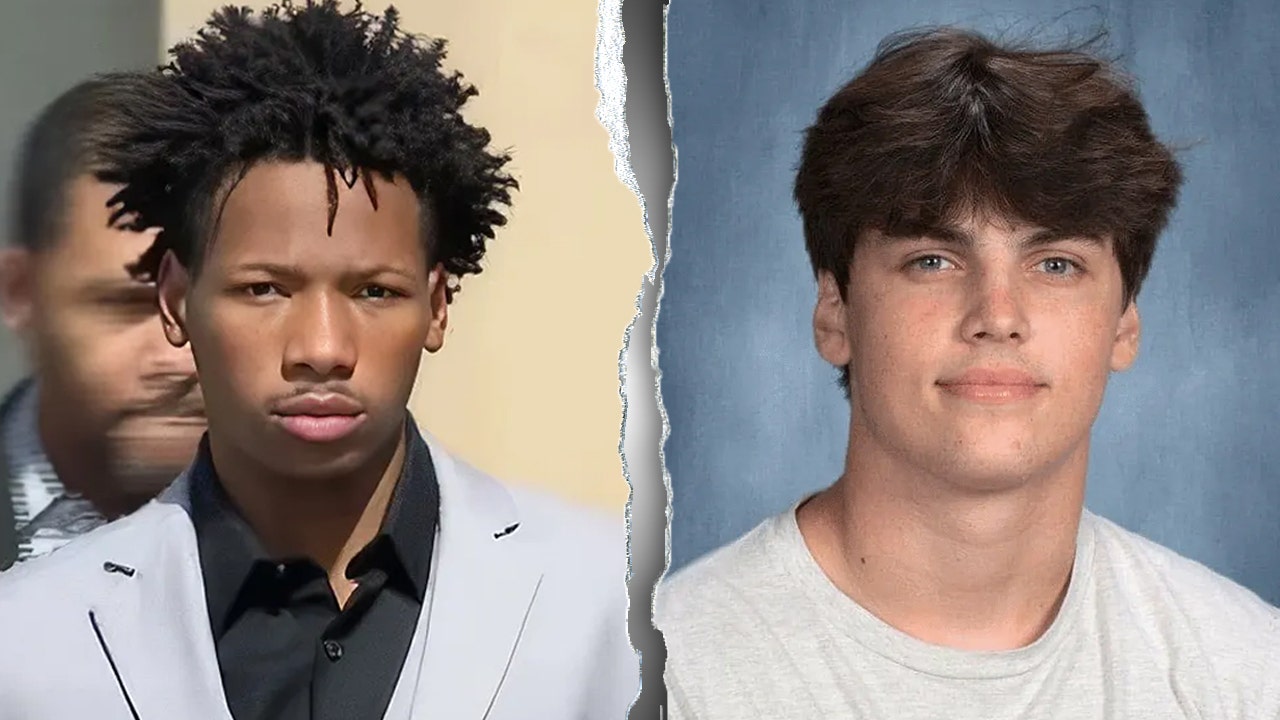
Anthony was indicted by a Collin County grand jury on first-degree murder charges in June 2025. He has pleaded not guilty, maintaining his self-defense claim.
The trial, which began in June 2026, has featured emotional testimony from friends of Austin, forensic evidence, and clashing opening statements from prosecution and defense.
Prosecutors portray the stabbing as a disproportionate response, while the defense argues provocation and fear for Anthony’s safety.
The bail decision remains a flashpoint. Judge Tucker’s ruling faced public backlash, including threats reported in some accounts, highlighting the intense emotions surrounding high-profile youth violence cases.
Conditions of Anthony’s release — house arrest and monitoring — were intended to balance his presumption of innocence with community safety, but for the Metcalf family, they have felt insufficient.
Public and Media Reactions: Division and Calls for Justice
The case has polarized public opinion. Some view Anthony as a young man who made a tragic mistake in a heated moment, deserving of due process.
Others, particularly supporters of the Metcalf family, see the reduced bond as evidence of systemic leniency that fails grieving families.
Social media has amplified both perspectives, with hashtags, petitions, and vigils keeping Austin’s memory alive.
Media coverage has balanced legal updates with human interest stories about both families.
The trial has drawn national attention, sparking discussions on youth violence, knife laws, school event security, and the adult certification of juvenile defendants in Texas.
Broader Implications: Juvenile Justice, Victim Impact, and Community Healing
The Metcalf-Anthony case raises important questions about how the justice system handles teen violence.
Texas law treats 17-year-olds as adults for serious felonies, a policy some advocate reforming.
The bond decision has fueled debates on cash bail, risk assessment tools, and the weight given to a defendant’s background versus the harm caused.
For communities, such tragedies prompt soul-searching about conflict resolution among youth, parental supervision, and the role of schools in fostering safe environments.
Victims’ rights groups use the case to advocate for stronger consideration of family impact statements in bail hearings.
Austin Metcalf’s Legacy: A Life Cut Short but Not Forgotten
Austin Metcalf is remembered as a talented athlete, loyal friend, and loving son with dreams ahead. His family’s advocacy ensures his story is not reduced to a headline.
Memorial scholarships, community events, and continued calls for justice honor his memory while pushing for systemic improvements that might prevent future tragedies.
The Metcalf family’s inability to “forget” the bail decision reflects a universal truth in victims’ advocacy: procedural steps in the justice process carry deep emotional weight far beyond legal technicalities.
The Trial and Paths to Healing
As the trial progresses, both families face continued uncertainty. The Metcalfs seek full justice and closure.
Anthony’s defense pursues acquittal based on self-defense. Regardless of the verdict, the case has already left indelible marks on all involved and the broader community.
Healing will take time. Support from counselors, faith communities, and fellow survivors plays a vital role.
The emotional update from the Metcalf family after the bail decision serves as a testament to enduring love and the refusal to let grief silence their voice.
A Symbol of Heartbreak That Demands Reflection
The $250,000 bail decision in Karmelo Anthony’s case has become an indelible symbol of heartbreak and anger for Austin Metcalf’s family.
More than a year after the tragedy, it continues to evoke strong emotions, prompting reflection on justice, youth violence, and the human cost of legal proceedings. As the trial unfolds, the Metcalfs’ steadfast advocacy honors Austin’s memory while shining a light on systemic issues that affect countless families.
This case reminds us that behind every headline are real lives forever altered. Compassion, accountability, and reform must guide the pursuit of justice.
For the Metcalf family, the road remains painful, but their courage inspires many. As proceedings continue, the hope for truth and healing endures.
Austin Metcalf’s story is one of promise cut short. His family’s fight ensures it will not be forgotten.
In a justice system designed to balance rights, their voices demand that victims and their loved ones are never overlooked.
News

My Mother-in-Law Ordered MPs To Seize Me At The Military Ball—Then They Scanned My ID And The General Went Dead Silent
My mother-in-law thought she’d embarrass me for good—so she ordered MPs to seize me at the Military Ball. But when…
Mirra Andreeva, the Rising Tennis Star, Clinches Her First Grand Slam Title at Roland-Garros: A Historic Moment in Tennis
Mirra Andreeva, the Rising Tennis Star, Clinches Her First Grand Slam Title at Roland-Garros: A Historic Moment in Tennis Paris,…

Bella Thorne Steals the Spotlight at Exclusive ‘Find Your Friends’ Screening in Los Angeles
Bella Thorne Steals the Spotlight at Exclusive ‘Find Your Friends’ Screening in Los Angeles Los Angeles, California — In a…

Lakers Eyeing John Collins as a Cost-Effective Veteran Addition in the Summer Market
Lakers Eyeing John Collins as a Cost-Effective Veteran Addition in the Summer Market Los Angeles, CA — June 6, 2026…

John Reardon Officially Returns to “Hudson & Rex” for Another Exciting Season: Fans Rejoice!
John Reardon Officially Returns to “Hudson & Rex” for Another Exciting Season: Fans Rejoice! A Beloved Character Comes Back to…
BREAKING: After 121 Days of Heartbreak, Emotional Update Leaves Fans Reflecting
BREAKING: What Savannah Guthrie’s family just revealed after 121 days of silence has fans everywhere reaching for tissues—and questioning everything…
End of content
No more pages to load