
Kai Trump just dropped a bombshell on Logan Paul’s podcast: ‘50% of the world hates me for my last name.’ The internet’s response? Brutal, unfiltered, and absolutely savage.
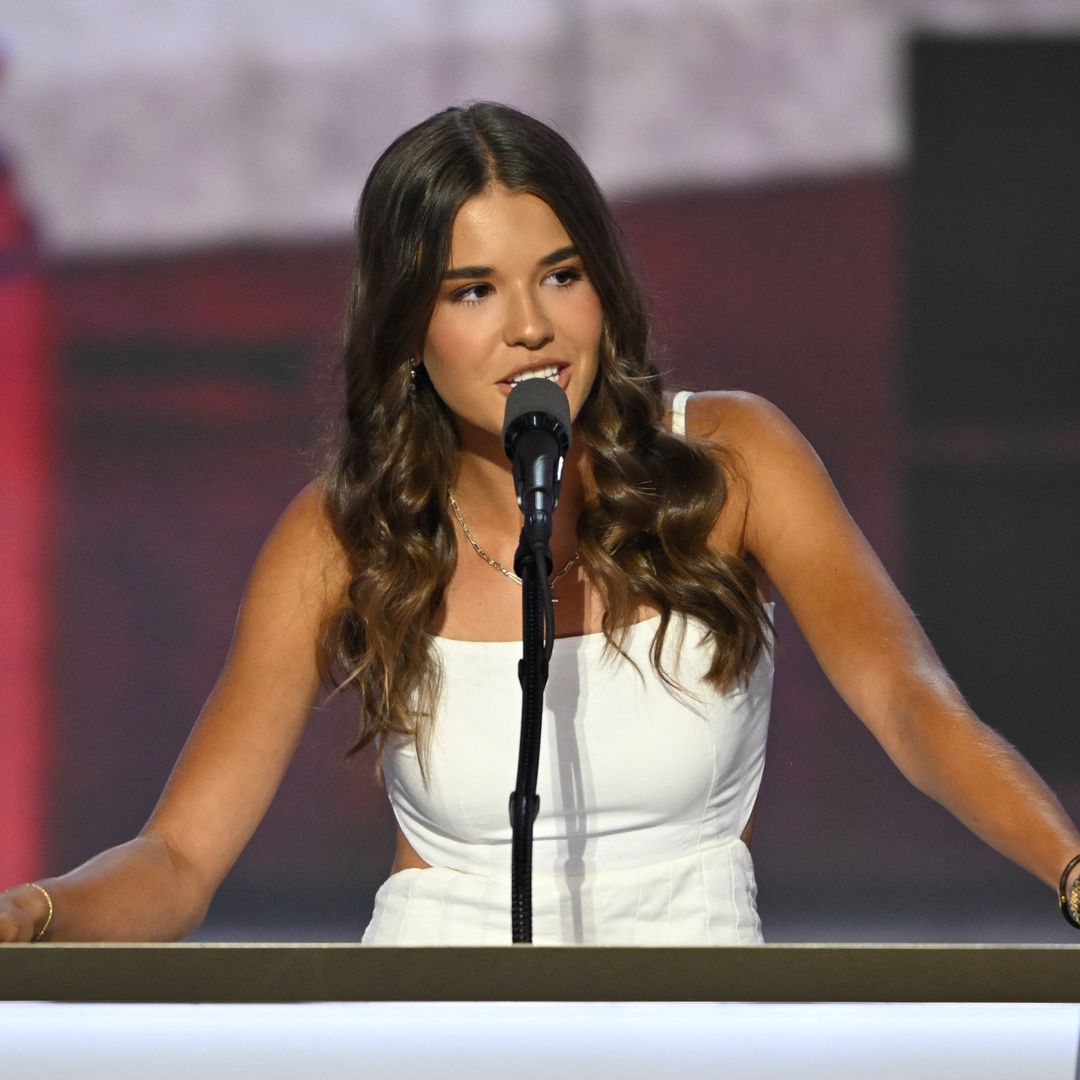
In a candid and revealing interview on Logan Paul’s popular podcast, “IMPAULSIVE,” 18-year-old Kai Trump, the granddaughter of former President Donald Trump, shared her personal perspective on how her family name influences her life and how she perceives herself in the eyes of the public.
Her comments have sparked a significant online debate, with critics and supporters weighing in on her statements and the broader implications of her family’s political legacy.
The Context of the Interview
The episode of “IMPAULSIVE” featuring Kai Trump was one of the most anticipated episodes in recent months.
Logan Paul, a well-known YouTuber-turned-podcast host, has built a reputation for hosting candid conversations with a wide range of guests, from celebrities to influencers, and increasingly, members of politically prominent families.

During this episode, Kai was open about her experiences growing up as the granddaughter of one of the most recognizable and controversial political figures in recent American history.
In her interview, Kai discussed her personal struggles with identity and how her last name has shaped her interactions with the world.
She candidly admitted that she sometimes feels misunderstood or unfairly judged because of her family’s political history.
Her words resonated with many listeners who appreciate her honesty, but they also drew criticism from others who felt she was making excuses or attempting to garner sympathy.
Kai Trump’s Reflection on Her Last Name
“I think about it all the time,” Kai said during the podcast. “Honestly, I believe that about fifty percent of the world doesn’t like me simply because of my last name.
It’s something I’ve had to deal with since I was a kid. People make assumptions about me, about my beliefs, my character, and my intentions—all because of the Trump name.”
Her statement struck a chord with many listeners, sparking conversations across social media platforms about the nature of identity, perception, and the impact of family legacy.
Some viewers expressed empathy, acknowledging the difficulties of growing up under the shadow of a prominent political figure, especially in a polarized climate.
However, her comments also prompted a wave of criticism. Many critics argued that her assertion was an oversimplification or an attempt to play the victim, dismissing her personal agency or the complexity of public opinion.
Critics questioned whether her perception was accurate or whether it was an exaggerated narrative aimed at eliciting sympathy.
Public Reactions and Social Media Backlash
Following the release of the episode, social media erupted with reactions from both supporters and detractors.
Supporters praised Kai for her honesty and vulnerability, emphasizing that it takes courage to speak openly about such personal issues in the public eye.
They argued that her comments shed light on the broader issue of how family names can influence individual lives, especially in the age of social media where perception often shapes reality.
On the other hand, critics quickly responded with skepticism and, in some cases, outright hostility.
Many took to Twitter, Instagram, and Reddit to express their disagreement with her claim.
Some pointed out that claiming fifty percent of the world dislikes her solely because of her last name was an overstatement, arguing that public opinion is far more nuanced and influenced by a variety of factors beyond family legacy.
One Twitter user commented, “Fifty percent? That’s a pretty bold claim. People dislike her for her own actions, not just her last name.”
Others accused her of seeking attention or attempting to justify her family’s controversial reputation.
The Broader Conversation: Family Legacy and Personal Identity
Kai Trump’s remarks have reignited an ongoing debate about the influence of family legacy on personal identity and how individuals navigate their public personas.
For many, her comments serve as a reminder of the challenges faced by individuals born into prominent political families, especially those who are still young and trying to forge their own paths.
In the context of American politics, the Trump family remains one of the most polarizing and scrutinized dynasties.
Donald Trump’s presidency and his subsequent political influence have left a lasting imprint on the national consciousness, shaping perceptions of his relatives—whether fairly or unfairly.
Kai’s openness about her feelings highlights the often-overlooked human side of political dynasties.
While the media and public tend to focus on the political actions and controversies associated with such families, personal stories like hers reveal the emotional toll and identity struggles faced by the younger generation.
Historical Perspectives and Similar Cases
Historically, children and grandchildren of prominent political figures have often grappled with similar issues.
From the Kennedys to the Bushes, public figures’ relatives have frequently faced scrutiny, prejudice, and expectations that can be both burdensome and constraining.
For instance, Caroline Kennedy faced questions about her suitability for public office, while George W. Bush’s daughters were subjected to intense media coverage and public judgment.
These cases underscore the complex relationship between family legacy and individual identity, a dynamic that Kai Trump is now navigating in her own way.
The Role of Media and Public Perception
The media plays a crucial role in shaping public perception of political families and their members.
In Kai’s case, her comments on the podcast were amplified by social media, where opinions are often polarized.
The rapid dissemination of her remarks illustrates how modern communication platforms can both humanize and dehumanize individuals based on their family background.
Some commentators argued that her statements were a genuine expression of her feelings, while others viewed them as strategic or manufactured for publicity.
Regardless of intent, her openness sparked a wider conversation about how society perceives and judges individuals based on their familial ties.
Personal Growth and Public Expectations
As Kai Trump continues to grow and establish her own identity, her experience offers valuable insights into the challenges faced by young people in the public eye.
Her willingness to speak honestly about her feelings may inspire others in similar situations to embrace their vulnerabilities and seek authentic connections.
At the same time, her story underscores the importance of empathy and understanding from the public.
Recognizing that every individual carries their own burdens and stories can foster a more compassionate society, especially for those whose family histories are intertwined with public controversy.
Kai Trump’s candid revelation on Logan Paul’s “IMPAULSIVE” podcast has ignited a multifaceted discussion about identity, perception, and the influence of family legacy in contemporary society.
Her assertion that half of the world dislikes her because of her last name has both resonated with and divided audiences, prompting reflections on the nature of fame, reputation, and personal authenticity.
As she navigates her journey in the public eye, her story serves as a reminder that behind every headline and social media comment is a human being with complex feelings and experiences.
Whether one agrees or disagrees with her perspective, her honesty has opened a window into the often unseen emotional landscape of those born into political dynasties, highlighting the enduring human struggle to define oneself beyond inherited names and histories.
News

Kevin Durant Named to the All-NBA Second Team: A Deep Dive into His Stellar Season and Legacy
Kevin Durant Named to the All-NBA Second Team: A Deep Dive into His Stellar Season and Legacy In a season…

Dan Reynolds of Imagine Dragons Spotted at Los Angeles Tanning Salon Ahead of Upcoming Toronto Concert
Dan Reynolds of Imagine Dragons Spotted at Los Angeles Tanning Salon Ahead of Upcoming Toronto Concert In a surprising yet…

Jameis Winston: The Leadership and Spiritual Influence Behind the New York Giants’ Locker Room
Jameis Winston: The Leadership and Spiritual Influence Behind the New York Giants’ Locker Room In the high-stakes world of professional…

The Life and Roots of Jeffrey: A Journey Through New York City’s Heartland
The Life and Roots of Jeffrey: A Journey Through New York City’s Heartland Early Beginnings in the Heart of the…

Breaking News: Matt Burton Joins NSW Camp Amid Injury Crisis as Mitch Moses Suffered Hamstring or Calf Tightness
Breaking News: Matt Burton Joins NSW Camp Amid Injury Crisis as Mitch Moses Suffered Hamstring or Calf Tightness Sydney, Australia…

The Phenomenal Rise of “The Devil Wears Prada 2”: From Sequel to Box Office Sensation
The Phenomenal Rise of “The Devil Wears Prada 2”: From Sequel to Box Office Sensation In an era where blockbuster…
End of content
No more pages to load