Bad Bunny’s Super Bowl Halftime Show Breaks Viewership Records: A Deep Dive into the Phenomenon
Bad Bunny’s Super Bowl Halftime Show Breaks Viewership Records: A Deep Dive into the Phenomenon
The Super Bowl, an annual sporting event that has become a cultural phenomenon in the United States and around the world, is renowned not only for its intense football action but also for its spectacular halftime shows.
These performances often feature some of the biggest names in the music industry, drawing millions of viewers both in the stadium and through various broadcast and streaming platforms.
This year’s Super Bowl halftime show, headlined by the Puerto Rican artist Bad Bunny, has once again demonstrated the immense power and reach of live entertainment in the digital age.
The Magnitude of the Event: Over 100 Million Views Expected
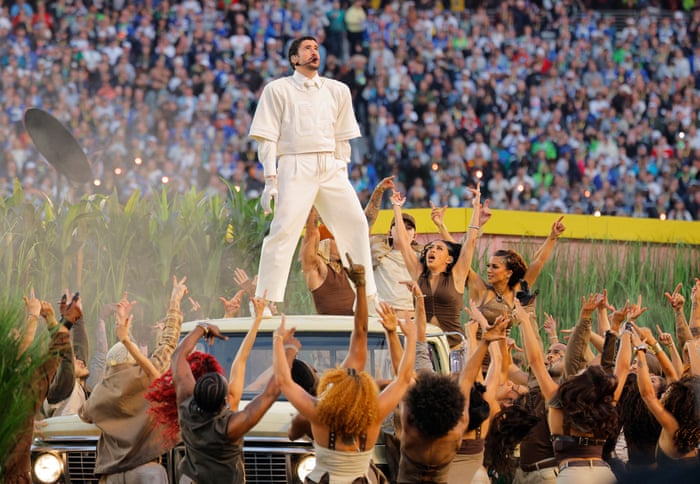
According to industry estimates and official reports, Bad Bunny’s performance during this year’s Super Bowl halftime show is projected to have garnered well over 100 million views worldwide.
This figure encompasses traditional television broadcast audiences, streaming platform viewers, social media engagement, and clips shared across various digital channels.
The sheer scale of this viewership underscores the global appeal of Bad Bunny as an artist and highlights the significance of the Super Bowl as a platform for cultural expression and entertainment.
The 100 million-plus viewership milestone is not just a number; it signifies a cultural moment that transcends sports, music, and entertainment industries.
It reflects the widespread interest in Latin music and artists, the growing influence of streaming platforms, and the increasing importance of social media in shaping public perception and engagement with live events.
For advertisers, broadcasters, and sponsors, such numbers translate into enormous opportunities for brand visibility and consumer engagement.
The Power of Streaming and Digital Platforms

While traditional TV ratings remain a crucial metric for measuring viewership, the rise of digital streaming platforms has fundamentally transformed how audiences consume live events like the Super Bowl halftime show.
Platforms such as YouTube, Twitter, TikTok, and Facebook have become integral parts of the viewing experience, allowing fans to watch, comment, share, and interact in real-time.
During Bad Bunny’s performance, approximately 6.1 million viewers were tuned in simultaneously—an impressive figure that highlights the event’s immediate impact.
Live streaming on digital platforms enables fans worldwide to participate in the moment, regardless of geographic location or access to cable television.
This level of engagement not only amplifies the reach of the performance but also fosters a sense of community among fans who share their reactions, memes, and clips instantly across social media.
The Significance of the 6.1 Million Concurrent Viewers
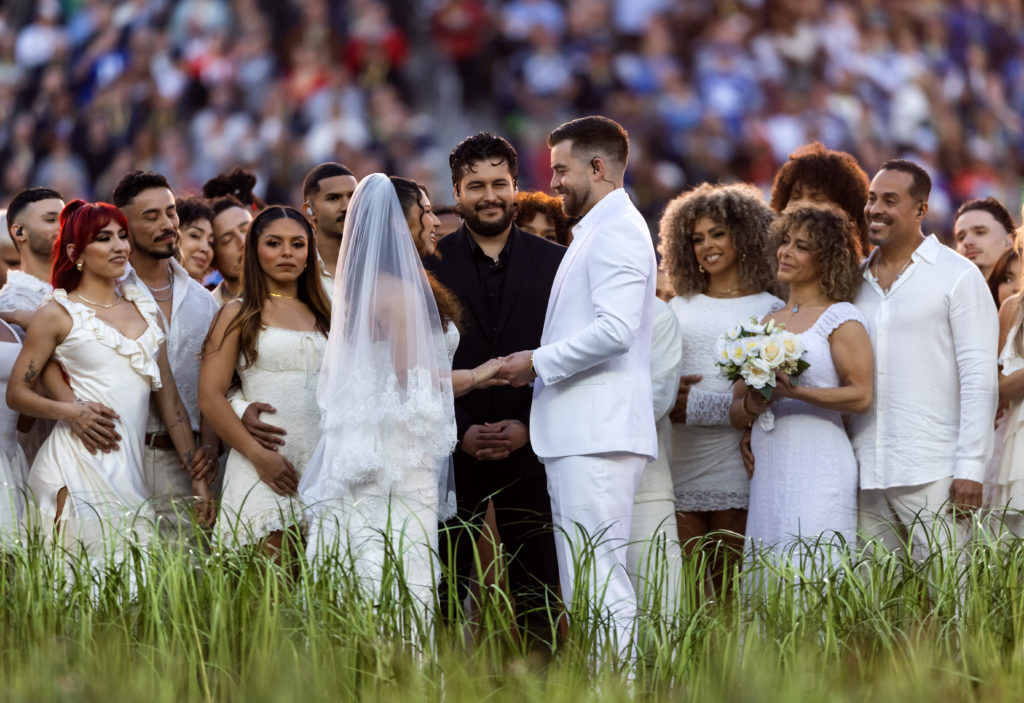
The statistic of approximately 6.1 million concurrent viewers is particularly noteworthy.
It represents the peak number of viewers watching the performance at the same moment in time—a critical metric for broadcasters and marketers alike.
High concurrent viewership indicates a strong, engaged audience that is captivated by the event as it unfolds.
This figure also serves as a testament to Bad Bunny’s global popularity and the anticipation surrounding his appearance at one of the most-watched sporting events in the world.
For context, the Super Bowl is known to attract some of the largest live audiences in the United States, with millions tuning in from across the country and around the globe.
The fact that over six million fans were watching Bad Bunny’s performance simultaneously underscores his status as a major international star capable of commanding such a vast, engaged audience.
Cultural Impact and Representation
Beyond the raw numbers, Bad Bunny’s appearance at the Super Bowl halftime show carries significant cultural and symbolic weight.
As a Puerto Rican artist who has risen to international fame, Bad Bunny exemplifies the growing influence of Latin music and culture in mainstream entertainment.
His performance not only showcases his musical talent but also highlights issues of representation and diversity in the entertainment industry.
In recent years, the Super Bowl halftime show has become a platform for artists from diverse backgrounds to showcase their artistry and cultural heritage.
Bad Bunny’s inclusion continues this trend, emphasizing the importance of inclusivity and multiculturalism in global entertainment.
His performance resonated with millions of fans worldwide, many of whom see it as a celebration of Latin culture and a step toward greater representation on the world stage.
The Broader Implications for Artists and the Music Industry
Bad Bunny’s successful performance at the Super Bowl has broader implications for artists and the music industry as a whole.
It demonstrates that major sporting events can serve as powerful launchpads for artists seeking to expand their reach and influence.
The massive viewership numbers translate into increased streaming, sales, and social media engagement, which can have a lasting impact on an artist’s career.
Moreover, it signals a shift in how artists approach the Super Bowl as a platform.
Rather than just a fleeting moment of exposure, the halftime show has become a strategic opportunity for artists to connect with a global audience, showcase their latest work, and solidify their cultural relevance.
For Bad Bunny, this performance not only elevated his profile but also reinforced his position as a leading figure in contemporary music.
The Role of Social Media and Viral Content
In the digital age, social media plays a crucial role in amplifying the reach of live events.
During Bad Bunny’s performance, countless clips, memes, and reactions were shared across platforms like Twitter, TikTok, Instagram, and YouTube.
These snippets often go viral within minutes, extending the lifespan and impact of the performance well beyond the live broadcast.
Fans and influencers alike contributed to the event’s viral momentum, creating a sense of shared experience and excitement.
Hashtags related to Bad Bunny’s performance trended worldwide, and thousands of fans expressed their admiration and enthusiasm online.
This organic social media buzz not only increased the visibility of the event but also helped to introduce new audiences to Bad Bunny’s music and persona.
Economic Impact and Commercial Opportunities
The economic implications of such a massive viewership are profound. For advertisers, the Super Bowl halftime show offers an unparalleled opportunity to reach millions of viewers with targeted messaging.
Brands often invest heavily in commercials, sponsorships, and digital campaigns tied to the event, knowing that their ads will be seen by a global audience.
Additionally, artists like Bad Bunny benefit financially through performance fees, licensing deals, and increased sales of music and merchandise following the event.
The surge in streaming numbers and digital sales often results in a significant revenue boost, reinforcing the commercial viability of performing at such a high-profile event.
Looking Ahead: The Future of Live Entertainment at the Super Bowl
As the landscape of entertainment continues to evolve, the Super Bowl halftime show remains a pivotal platform for artists seeking to reach massive audiences.
The success of Bad Bunny’s performance exemplifies how live music, combined with digital innovation and social media engagement, can create a cultural phenomenon that resonates worldwide.
Future editions of the Super Bowl are likely to feature even more diverse and innovative performances, leveraging cutting-edge technology like augmented reality, virtual reality, and interactive experiences to deepen audience engagement.
The integration of these technologies could further expand the reach and impact of halftime shows, making them even more immersive and memorable.
Conclusion
In summary, Bad Bunny’s Super Bowl halftime show has set new benchmarks for viewership and cultural influence.
With well over 100 million views expected globally and approximately 6.1 million concurrent viewers tuning in live, the performance underscores the power of live entertainment in the digital age.
It highlights the artist’s rising prominence, the importance of diversity in mainstream media, and the evolving landscape of global entertainment consumption.
As the world continues to embrace digital connectivity and social media, the Super Bowl halftime show remains a testament to the enduring appeal of live music and cultural expression.
Bad Bunny’s performance not only entertained millions but also reinforced the significance of representation, innovation, and shared experiences in shaping the future of entertainment.