
Caitlin Clark’s Potential WNBA Salary Surge: How New CBA Provisions Could Transform Rookie Earnings in 2025
In the rapidly evolving landscape of professional women’s basketball, few stories have captured the attention of sports fans, analysts, and industry insiders quite like the potential salary increase for Caitlin Clark, one of the most promising and talented young stars in the WNBA.
According to recent reports and insider sources, Clark’s earnings could see a dramatic jump from her current rookie salary of approximately $78,000 to a staggering $530,000 in the upcoming 2025 season.
This potential leap is largely attributed to a new, pending Collective Bargaining Agreement (CBA) provision that aims to fast-track rookie players’ salary progression, providing them with more lucrative earning opportunities early in their careers.
This development is not only significant for Clark but also signals a broader shift within the WNBA’s economic landscape, reflecting ongoing efforts to enhance player compensation, improve league competitiveness, and elevate the profile of women’s professional basketball on a global scale.
As the league continues to grow in popularity, viewership, and sponsorship revenue, the new CBA provisions could serve as a catalyst for attracting top-tier talent, retaining existing stars, and fostering a more sustainable financial model for the league.
In this comprehensive analysis, we will explore the details of the proposed CBA changes, the current salary structure for WNBA players, Caitlin Clark’s rising star power, and the broader implications for the league’s future.
We will also examine how these salary adjustments compare to other professional sports leagues and what they mean for the future of women’s basketball.
The Current State of WNBA Player Salaries

To fully appreciate the significance of Caitlin Clark’s potential salary increase, it’s essential to understand the current salary landscape of the WNBA.
Unlike their counterparts in the NBA, WNBA players historically have earned modest salaries, often leading to financial hardships and limited earning potential outside of basketball.
The Salary Structure
As of the 2023 season, the average salary for a WNBA player was approximately $130,000, with the league’s maximum salary set at around $228,000.
These figures are substantially lower than NBA salaries, which often exceed $40 million annually for star players. The discrepancy is largely due to differences in league revenue, sponsorship deals, television contracts, and overall market size.
Rookie Salaries
For rookies entering the league, salaries are typically at the lower end of the spectrum.
In recent years, the starting salary for a rookie has hovered around $60,000 to $80,000, with some variations based on draft position and team negotiations.
While these figures are an improvement over previous decades, they still fall short of providing long-term financial security for players, many of whom must supplement their income through overseas leagues or endorsement deals.
The Need for Change
The limited earning potential has been a longstanding concern among WNBA players and advocates.
Many argue that the league’s revenue-sharing model, sponsorship opportunities, and media exposure need significant enhancement to match the league’s growing popularity and the talent level of its players.
The league has made strides in recent years, including increased media deals and sponsorships, but salary growth has lagged behind.
The New WNBA Collective Bargaining Agreement (CBA)
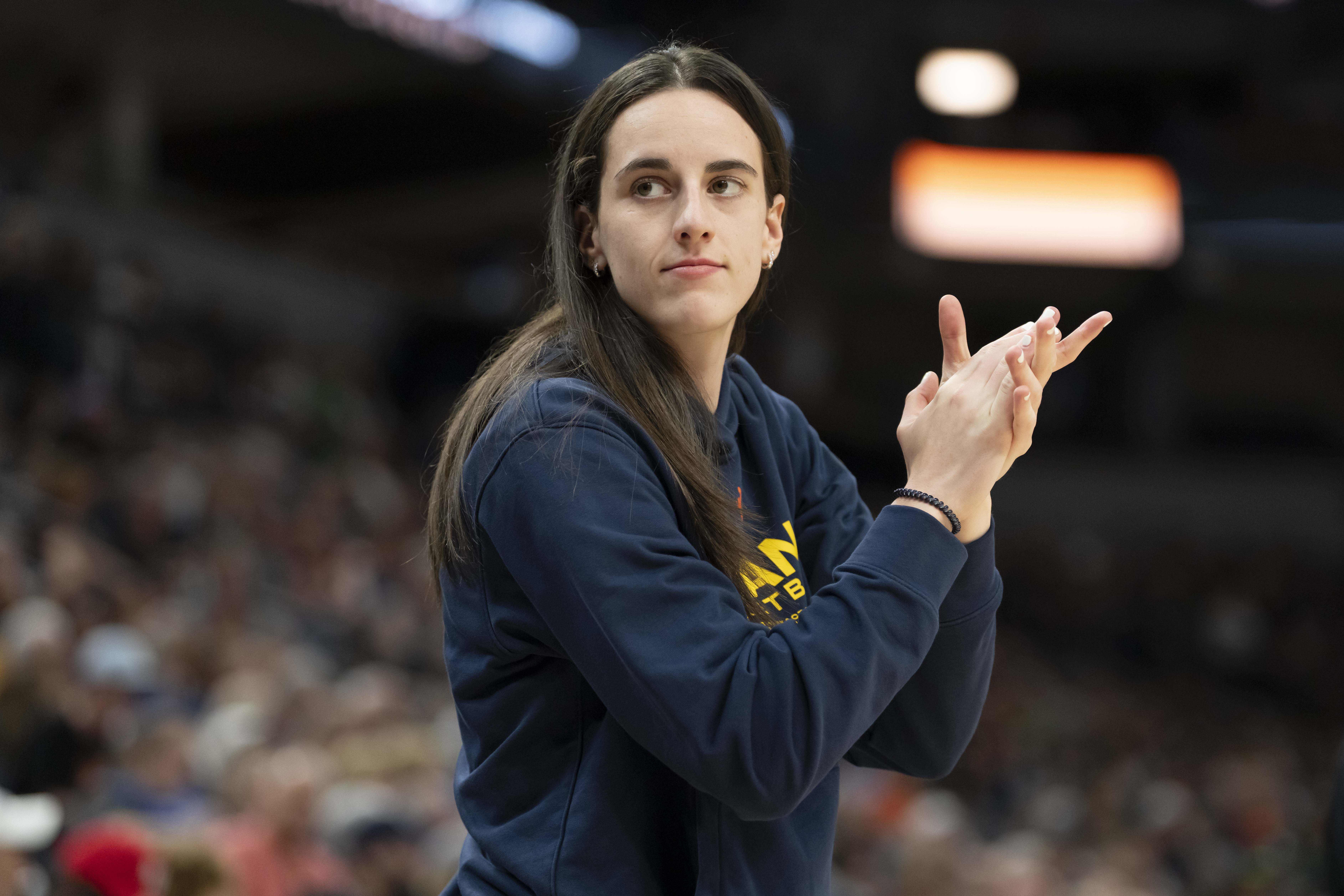
In response to these challenges, the WNBA and the players’ union have been engaged in negotiations to craft a new Collective Bargaining Agreement (CBA) that addresses salary disparities, improves working conditions, and enhances overall league competitiveness.
Key Provisions of the Pending CBA

While the full details of the new CBA are still under negotiation and subject to final approval, several key provisions have been publicly discussed and reported by league insiders:
Salary Cap and Player Salaries: The new CBA aims to significantly increase the salary cap, allowing for higher individual salaries. Notably, a provision is being considered to implement a fast-track system for rookie players, enabling them to reach higher salary tiers more quickly than under previous rules.
Rookie Salary Progression: Under current rules, rookies earn a fixed base salary, with limited upward mobility during their initial seasons. The proposed provision would allow certain high-performing rookies to accelerate their salary growth through performance-based incentives, draft position, or league recognition.
Maximum Salary Cap: The league is exploring options to raise the maximum salary for star players, potentially exceeding $500,000, aligning more closely with the NBA’s salary structure, at least for the highest earners.
Benefits and Perks: Enhanced health insurance, maternity leave policies, and off-season employment opportunities are also part of the negotiations, reflecting a broader commitment to player welfare.
Revenue Sharing and League Growth: The CBA also emphasizes revenue-sharing models, sponsorship revenue, and media rights deals to ensure sustainable growth and financial stability for the league and its players.
The Rationale Behind Fast-Tracking Rookie Salaries
The proposed fast-track provision is designed to reward top rookies who demonstrate exceptional talent and potential early in their careers. By allowing these players to reach higher salary tiers more quickly, the league hopes to:
Attract Top Talent: Offering competitive salaries from the outset makes the league more attractive to highly-rated prospects who might otherwise consider overseas options or other career paths.
Retain Emerging Stars: Early salary growth helps retain talented players within the league, reducing the risk of losing them to international leagues that often offer higher pay.
Enhance Competitive Balance: By incentivizing performance and providing clearer career progression pathways, the league can foster a more competitive environment.
Elevate League Profile: High-profile players earning substantial salaries draw media attention, sponsorship interest, and fan engagement, which benefits everyone involved.
Caitlin Clark: A Rising Star Poised for a Historic Salary Jump
Caitlin Clark’s name has become synonymous with excellence and promise in women’s basketball.
The University of Iowa standout has captivated fans and analysts alike with her scoring ability, court vision, and leadership on the court.
As she prepares to enter the WNBA, her star power has only grown, fueling speculation about her earning potential in the league.
Clark’s Collegiate Achievements
Caitlin Clark’s college career has been nothing short of extraordinary. She has set numerous scoring records, earned multiple All-American honors, and led Iowa to national prominence.
Her playing style, characterized by her deep shooting range, creative ball-handling, and clutch performances, has made her a household name among basketball enthusiasts.
Draft Prospects and Expectations
Projected as a top pick in the upcoming WNBA Draft, Clark is expected to be selected early, possibly even first overall.
Her draft position, combined with her reputation, makes her a prime candidate for the league’s new salary advancement provisions.
Potential Salary Increase
Based on the current discussions surrounding the new CBA, Clark’s rookie salary of approximately $78,000 could skyrocket to around $530,000 in 2025.
This figure represents an increase of nearly six to seven times her initial earnings, reflecting the league’s commitment to rewarding top talent and fostering a more lucrative environment for emerging stars.
Factors Contributing to the Salary Surge
Several factors contribute to Clark’s potential salary growth:
Performance-Based Incentives: Her proven ability to produce at an elite level could trigger performance bonuses and incentives embedded within the new CBA.
Draft Position: As a likely high draft pick, she may be eligible for higher rookie salary tiers.
League-Wide Salary Cap Increase: The overall increase in the salary cap will benefit all rookies and star players, but Clark’s exceptional talent makes her a prime candidate for the highest tiers.
Marketability: Clark’s popularity and potential endorsement opportunities will further enhance her earning power.
Broader Implications for the WNBA and Women’s Basketball
The potential salary boost for Caitlin Clark is more than a personal milestone; it symbolizes a broader shift in the league’s economic and cultural landscape.
Elevating the League’s Profile
Higher salaries for emerging stars like Clark will attract more media coverage, sponsorship deals, and fan engagement.
As top talent earns more, the league’s visibility and credibility will grow, helping to close the gap with the NBA and other major sports leagues.
Attracting International Talent
Competitive salaries can also lure international players and top prospects from college programs worldwide, enriching the league’s talent pool and diversity.
Improving Player Welfare and Career Longevity
Enhanced compensation, health benefits, and off-season opportunities will improve players’ quality of life, reduce financial stress, and extend their careers.
Inspiring Future Generations
Seeing young stars like Caitlin Clark earn substantial salaries and achieve professional success inspires future generations of girls and women to pursue basketball at the highest levels.
Challenges and Considerations
While the prospects are promising, there are challenges to implementing these changes:
League Revenue Growth: Achieving higher salaries requires corresponding increases in league revenue, which depends on media deals, sponsorships, and ticket sales.
Sustainable Financial Models: Balancing player compensation with league sustainability is critical to avoid financial instability.
Equity and Fairness: Ensuring that salary increases are distributed fairly across the league and do not exacerbate disparities among teams.
Comparing WNBA Salaries to Other Professional Sports
To contextualize the potential salary increase, it’s useful to compare WNBA earnings to those in other professional sports leagues:
While the WNBA’s salaries are still below those of other major leagues, the proposed increases, especially for star rookies like Caitlin Clark, could mark a significant step toward parity and recognition.
The Road Ahead: What to Expect in 2025 and Beyond
As negotiations continue and the new CBA takes shape, fans and stakeholders eagerly anticipate the tangible benefits for players and the league. The salary increases for Caitlin Clark and her peers could set a precedent, encouraging other top prospects and established stars to commit to the league long-term.
Key Milestones to Watch
Finalization of the CBA: Official approval of the new agreement, including salary structures and incentives.
Draft Day 2025: Clark’s selection and her initial contract terms.
Player Reactions: Feedback from players, agents, and league officials on the new salary framework.
League Growth Metrics: Changes in viewership, sponsorship, and revenue following the implementation of the new CBA.
The Future of Women’s Basketball
With these economic reforms, the future of women’s basketball looks brighter than ever. Higher salaries, improved working conditions, and increased visibility will help elevate the sport’s status globally, attracting more fans, media attention, and investment.
Conclusion: A New Era for Caitlin Clark and the WNBA
Caitlin Clark’s potential salary jump from approximately $78,000 to $530,000 in 2025 symbolizes more than just individual success; it embodies a transformative moment for women’s professional basketball.
The pending CBA provision that enables fast-tracking rookie salaries reflects a commitment to recognizing talent, rewarding performance, and fostering a sustainable, competitive league.
As the league moves forward, Clark’s story will serve as an inspiration for aspiring players and a testament to the league’s growth ambitions.
With increased investment in player talent and league infrastructure, the WNBA is poised to reach new heights, offering better opportunities for its athletes and captivating fans around the world.
The coming years will be critical in shaping the future of women’s basketball—one where stars like Caitlin Clark can earn the salaries they deserve and inspire generations to come.
News
Caitlin Clark Takes Ownership as Indiana Fever Kick Off WNBA Season with Promising 4-4 Start
Caitlin Clark Takes Ownership as Indiana Fever Kick Off WNBA Season with Promising 4-4 Start As the 2026 WNBA season…

HeatedRivalry Star Hudson Williams Shines at the 2026 Canadian Screen Awards with His Girlfriend Katelyn Larson and Supportive Parents — Celebrating a Historic Night with 16 Wins
HeatedRivalry Star Hudson Williams Shines at the 2026 Canadian Screen Awards with His Girlfriend Katelyn Larson and Supportive Parents —…

Aaron Donald Hints at NFL Comeback to Join Myles Garrett on Rams’ Defensive Line: What It Means for Football Fans and the Future of the Rams
Aaron Donald Hints at NFL Comeback to Join Myles Garrett on Rams’ Defensive Line: What It Means for Football Fans…

SHOCKING SUNDAY SHAKE-UP: Tom Llamas VANISHES from NBC Nightly News—Replaced by a Fan Favorite in Last-Minute Swap.
SHOCKING SUNDAY SHAKE-UP: Tom Llamas VANISHES from NBC Nightly News—Replaced by a Fan Favorite in Last-Minute Swap. In the world…

AS Monaco Nearing Completion of Permanent Deal for Ansu Fati from Barcelona: A Major Transfer in the Making
AS Monaco Nearing Completion of Permanent Deal for Ansu Fati from Barcelona: A Major Transfer in the Making In a…

The Jeopardy! GOAT and the Stormlight Archive god were roommates?! Ken Jennings and Brandon Sanderson lived under the same roof. We have so many questions—did they quiz each other?
The Jeopardy! GOAT and the Stormlight Archive god were roommates?! Ken Jennings and Brandon Sanderson lived under the same roof….
End of content
No more pages to load