Antonio Brown’s Explosive TikTok Live Rant: Allegations Against Brandon Marshall and Ben Roethlisberger Shake NFL Community
In a startling turn of events that has sent shockwaves through the NFL community and sports media alike, former superstar wide receiver Antonio Brown took to TikTok Live to air out long-standing grievances and make explosive allegations involving notable figures from his career.
During this unfiltered broadcast, Brown launched into a candid and controversial tirade, criticizing former teammates Brandon Marshall and Ben Roethlisberger, accusing the latter of holding him back during his tenure with the Pittsburgh Steelers.
This unexpected outburst has reignited debates about player relationships, locker room dynamics, and the challenges athletes face behind the scenes.
As social media continues to serve as a platform for athletes to communicate directly with fans and the public, Brown’s comments have become a focal point for discussion across sports news outlets, fan forums, and NFL analysis platforms.
The Context: Antonio Brown’s Turbulent Career and Public Persona
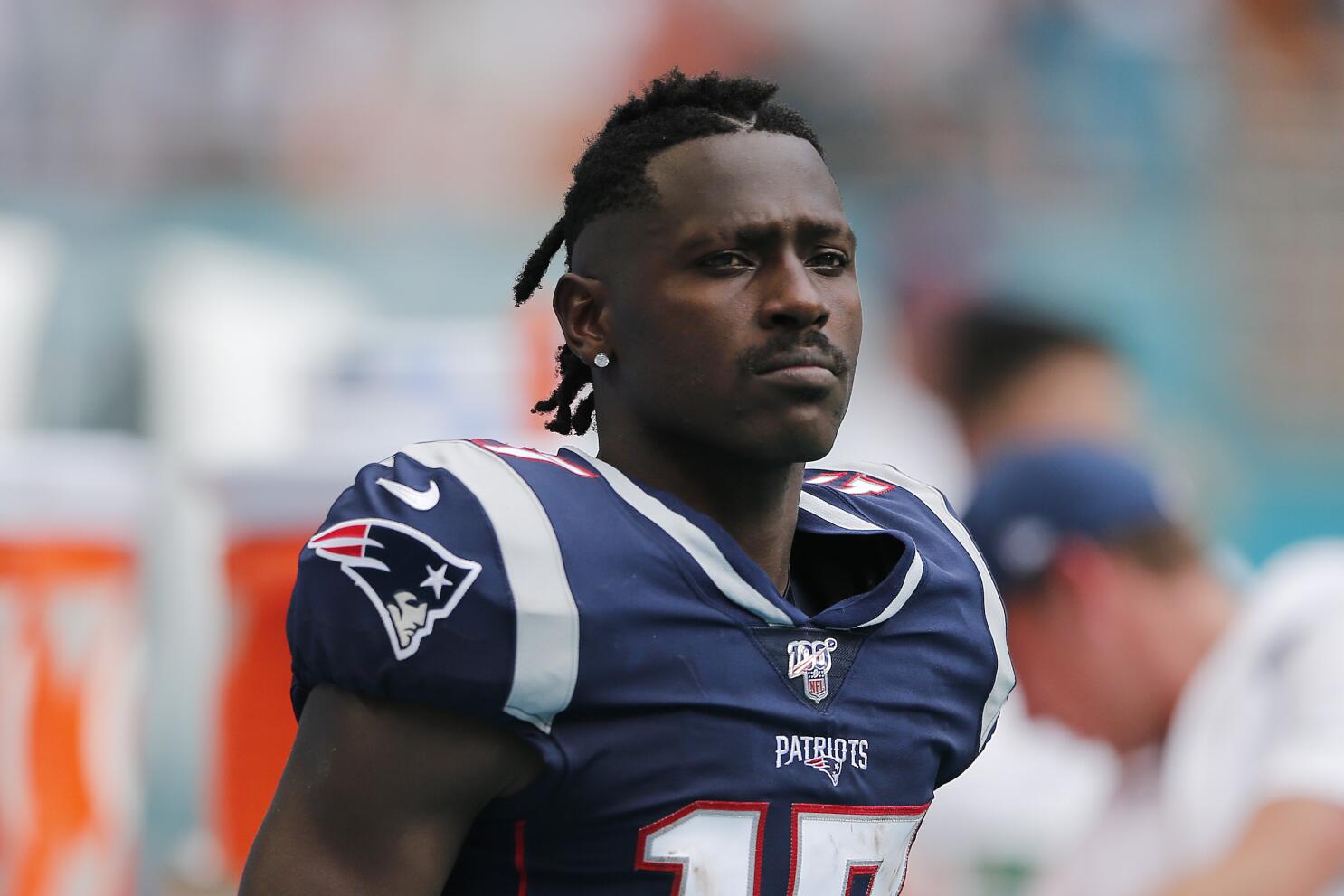
To fully grasp the significance of Brown’s TikTok live rant, it’s essential to understand the context surrounding his career.
Antonio Brown, widely regarded as one of the most talented wide receivers of his generation, has had a career marked by extraordinary on-field success but also marred by numerous off-field controversies.
Drafted by the Pittsburgh Steelers in 2010, Brown quickly established himself as a premier receiver, setting multiple franchise records and earning Pro Bowl selections.
His route-running, hands, and ability to make plays in critical moments made him a favorite among fans and a nightmare for defenses.
However, Brown’s career off the field has been tumultuous. He faced multiple suspensions, legal issues, and conflicts with team management.
His outspoken personality, combined with a series of controversial incidents—including social media tirades, disputes with coaches, and even allegations of misconduct—have overshadowed his athletic achievements.
In recent years, Brown’s relationship with the NFL and its teams has been strained, leading to his departure from the Steelers, subsequent stints with the Oakland Raiders, New England Patriots, and Tampa Bay Buccaneers, and ultimately, his exit from professional football amid ongoing controversies.
The TikTok Live Incident: A Raw and Unfiltered Outburst
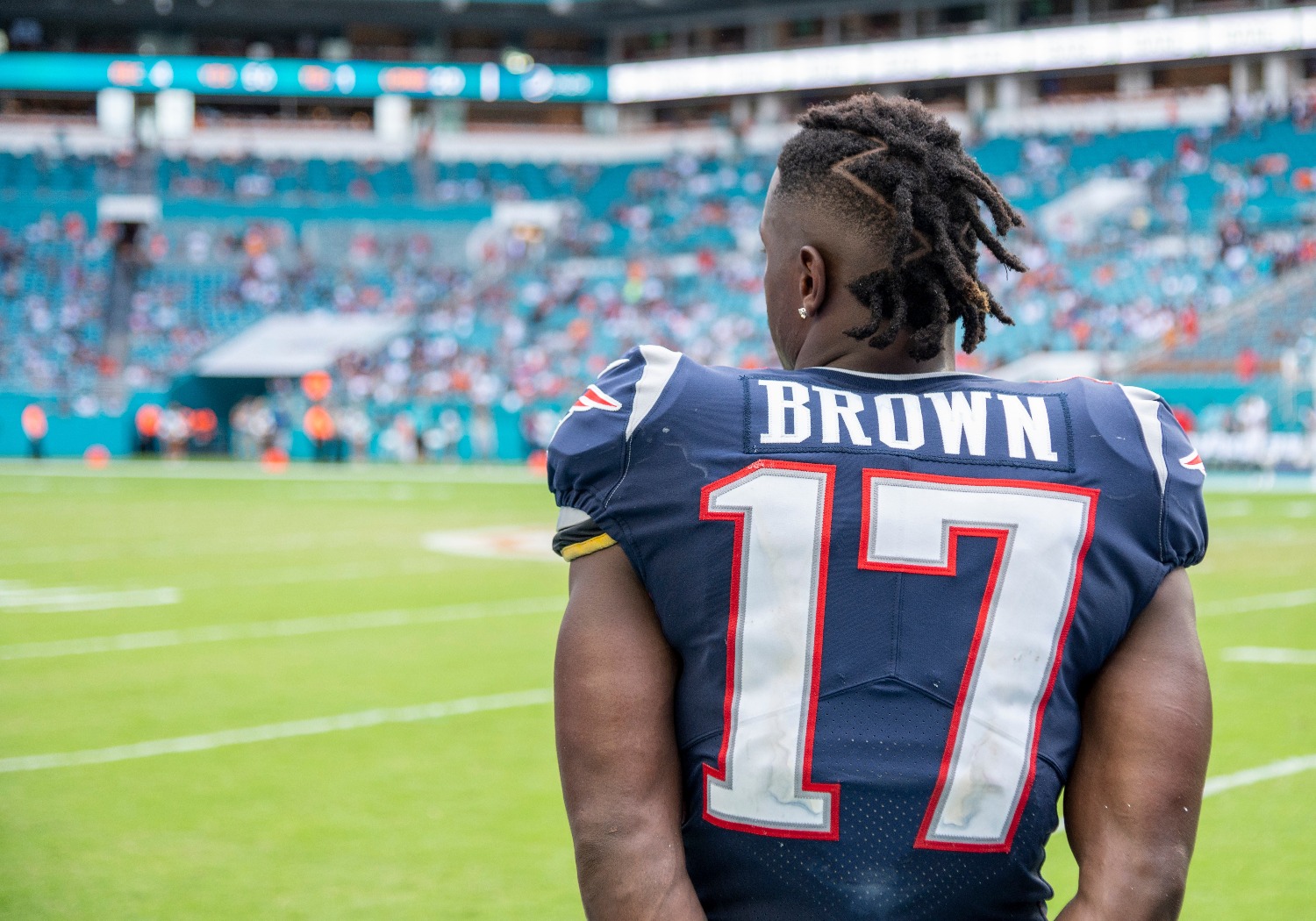
On a recent Saturday morning, Antonio Brown decided to go live on TikTok, a popular social media platform known for its real-time streaming capabilities.
Unlike traditional interviews or press conferences, Brown’s TikTok live was raw, unfiltered, and emotionally charged.
During the broadcast, Brown did not hold back. He addressed a wide range of topics, from his personal struggles to his experiences in the NFL. But what garnered the most attention were his direct criticisms of Brandon Marshall and Ben Roethlisberger.
The Allegations Against Brandon Marshall
Brown’s comments about Brandon Marshall, a former teammate and NFL veteran, were particularly pointed.
Brown accused Marshall of being disloyal and of contributing to a toxic locker room environment. While Brown did not specify exact incidents, his tone suggested longstanding grievances.
Brandon Marshall, known for his outspoken personality and leadership qualities, has been a prominent figure in NFL locker rooms.
He has also been an advocate for mental health awareness and has maintained a generally positive public image.
Brown’s critique appears to stem from personal conflicts or disagreements that may have occurred during their time together on the field.
The Accusation of Being Held Back by Ben Roethlisberger
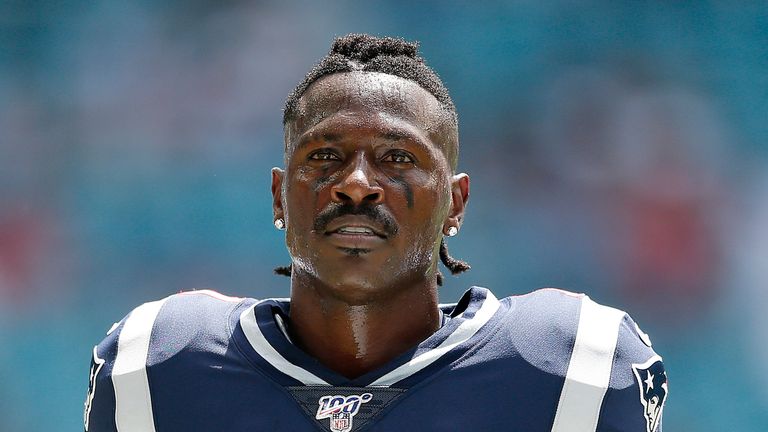
The most explosive part of Brown’s TikTok live involved his allegations against Ben Roethlisberger, the legendary Steelers quarterback.
Brown claimed that Roethlisberger intentionally held him back during his time in Pittsburgh, implying that the quarterback’s actions or decisions hindered Brown’s ability to reach his full potential.
This allegation is significant because Roethlisberger is widely regarded as one of the greatest quarterbacks in NFL history, with two Super Bowl victories and numerous franchise records.
Brown’s claim suggests a friction or rivalry behind the scenes, contrasting with the public perception of a successful quarterback-receiver partnership.
Brown’s comments indicated that he felt marginalized or undervalued within the Steelers organization, and he pointed to Roethlisberger’s influence as a barrier to his success.
While Brown did not provide specific examples or evidence during the live stream, the implications are clear: he perceives a level of favoritism or obstruction that impacted his career trajectory.
The Broader Implications: NFL Culture, Player Dynamics, and Social Media
Brown’s TikTok rant has sparked widespread discussion about the culture within NFL locker rooms, the nature of player relationships, and the role of social media in modern sports.
NFL Locker Room Politics and Player Relationships
Historically, NFL locker rooms have been characterized by a mix of camaraderie, competition, and sometimes underlying tension.
High-profile disputes, disagreements over playcalling, and personal conflicts are not uncommon, but they are often kept behind closed doors.
Brown’s public accusations shed light on the possible internal struggles that players may face, including feelings of betrayal, favoritism, or marginalization.
His claims about being held back by Roethlisberger suggest that even in successful teams, there may be underlying issues of ego, rivalry, or miscommunication.
The Role of Social Media in Athlete Expression
In the digital age, social media platforms like TikTok, Twitter, and Instagram have become vital tools for athletes to connect directly with fans and control their narratives.
However, this immediacy can also lead to impulsive and controversial statements, as seen in Brown’s live broadcast.
While some athletes use social media to promote causes, share personal insights, or engage positively with fans, others, like Brown, utilize these platforms to vent frustrations or air grievances.
The line between personal expression and professional repercussions can sometimes blur, leading to unintended consequences.
The Impact on NFL Public Image and Team Dynamics
Public disputes and allegations can have ripple effects beyond the individual athlete.
Teams may face scrutiny over their internal culture, management practices, and handling of player conflicts.
Fans and analysts debate whether such incidents reflect systemic issues within franchises or are isolated cases.
Brown’s allegations against Roethlisberger, if substantiated, could prompt investigations or discussions about team leadership and player treatment.
Conversely, critics might argue that airing grievances publicly undermines team cohesion and professionalism.
Reactions from the NFL Community and Sports Media
Following Brown’s TikTok live, reactions poured in from various quarters of the NFL community.
Some analysts viewed his comments as a reflection of deeper issues within the league, while others dismissed them as personal grievances.
Former Players and Analysts Weigh In
Many former players and sports commentators expressed surprise at Brown’s candidness.
Some praised his honesty, viewing it as a rare glimpse into the realities of professional sports.
Others cautioned against taking such claims at face value, emphasizing the importance of evidence and context.
Team and League Responses
As of now, neither the Pittsburgh Steelers nor the NFL have issued official statements regarding Brown’s allegations.
Given the sensitive nature of the accusations, especially those involving a Hall of Fame quarterback like Roethlisberger, any official response could have wide-ranging implications.
Fans and Social Media Reactions
On social media platforms, reactions ranged from support for Brown’s right to express his feelings to skepticism about the veracity of his claims.
Hashtags trending include #AntonioBrown, #NFLDrama, and #LockerRoomConflicts, reflecting the widespread interest and debate.
The Future: What’s Next for Antonio Brown and the NFL?
Brown’s TikTok live has undoubtedly added another chapter to his controversial career.
Whether this marks a turning point for him or simply a moment of venting remains to be seen.
Potential Legal and Professional Consequences
While Brown’s statements are currently within the realm of social media expression, they could lead to legal or contractual repercussions if deemed defamatory or damaging to reputations.
The NFL may also scrutinize his comments as part of ongoing investigations into player conduct.
The Broader Conversation About Player Rights and Mental Health
Brown’s candidness may also contribute to ongoing conversations about player rights, mental health, and the pressures athletes face behind the scenes.
His openness could inspire other players to speak out about issues that often go unspoken.
The NFL’s Response and Cultural Shifts
As the league continues to evolve, there is increasing emphasis on fostering positive locker room environments and addressing mental health concerns.
Brown’s comments highlight the importance of open dialogue and transparency within professional sports organizations.
Conclusion
Antonio Brown’s recent TikTok live rant has ignited a firestorm of discussion across the NFL community and beyond.
By publicly accusing Brandon Marshall of disloyalty and alleging that Ben Roethlisberger held him back during his time with the Steelers, Brown has once again placed himself at the center of controversy.
This incident underscores the complex dynamics of professional sports, where talent, ego, relationships, and media influence intertwine.
It also exemplifies the power and pitfalls of social media as a platform for athletes to voice their truths—sometimes constructive, sometimes contentious.
As the NFL community watches closely, questions remain about the veracity of Brown’s claims and their potential impact on his legacy and the league’s culture.
One thing is clear: in the age of social media, no athlete’s voice is too loud, and no controversy too small to become a national conversation.
News

The Force Is Strong in Los Angeles Tonight: Pedro Pascal Lights Up the Red Carpet at the Star-Studded Premiere
The Force Is Strong in Los Angeles Tonight: Pedro Pascal Lights Up the Red Carpet at the Star-Studded Premiere Los…
Aaron Rodgers: A Decade-Long Commitment to Community and Compassion in Green Bay
Aaron Rodgers: A Decade-Long Commitment to Community and Compassion in Green Bay In the world of professional football, where fame…
Jordana Brewster Critiques ‘Fast and Furious’ Franchise: Calls Out Mia’s Passive Role and Criticizes Inorganic Action Scenes
Jordana Brewster Critiques ‘Fast and Furious’ Franchise: Calls Out Mia’s Passive Role and Criticizes Inorganic Action Scenes LOS ANGELES, CA…
Little Girl Overhears Guards’ Secret and Warns Mafia Boss: A Dramatic Turn in an International Incident
Little Girl Overhears Guards’ Secret and Warns Mafia Boss: A Dramatic Turn in an International Incident In a startling turn…
The Unlikely Plea: How a Korean Mafia Boss’s Son Asked a Black Woman to Be His Mom for a Day in a Heartwarming and Controversial Incident
The Unlikely Plea: How a Korean Mafia Boss’s Son Asked a Black Woman to Be His Mom for a Day…

Inspiring Young Millionaires: The Remarkable Story of 8-Year-Old Triplets Who Bought an Entire Plane After Being Ignored by Gate Agent During Medical Emergency
Inspiring Young Millionaires: The Remarkable Story of 8-Year-Old Triplets Who Bought an Entire Plane After Being Ignored by Gate Agent…
End of content
No more pages to load