
The Rise and Fall of Matt Lauer: A Deep Dive into the Iconic NBC Anchor Who Once Symbolized Trust, Success, and Power in American Morning News
In the landscape of American broadcast journalism, few figures have commanded the same level of trust, admiration, and influence as Matt Lauer.
For decades, he was the face that millions of Americans welcomed into their homes every morning, a familiar and reassuring presence that epitomized the ideals of credibility, professionalism, and success in the world of television news.
As the longtime anchor of NBC’s flagship morning show, “Today,” Lauer became a household name, a symbol of stability and authority in an ever-changing media environment.
His rise to prominence was marked by a meteoric career trajectory, characterized by relentless dedication, polished presentation, and an uncanny ability to connect with viewers across generations.
However, beneath the veneer of success and the polished persona that made him a trusted figure in American journalism lay a complex and ultimately tragic story.
The very qualities that made Matt Lauer a trusted news anchor—his charm, professionalism, and seemingly unwavering integrity—became overshadowed by allegations of misconduct and abuse that would eventually bring about his downfall.

The story of Matt Lauer is not just about a television personality but also about the shifting cultural landscape regarding accountability, power dynamics, and the #MeToo movement that reshaped public discourse about workplace behavior and ethical standards.
The Early Years: From Local News to National Prominence
Matt Lauer’s journey to becoming a household name began in the early 1980s when he started his broadcasting career in local news markets.
His talent and charisma quickly distinguished him from his peers, earning him opportunities to work in larger markets and eventually leading to a position at NBC.
By the early 1990s, Lauer had become a recognizable face on national television, initially as a correspondent and later as a co-host of the “Today” show.
His arrival at NBC’s “Today” in 1997 marked a turning point in his career. Lauer was brought on to revitalize the show, which at the time was facing stiff competition from other morning programs.
His affable demeanor, combined with a keen sense of timing and an ability to conduct engaging interviews, helped to elevate the show’s ratings and restore its status as the premier morning news program in the United States.
Over the years, Lauer became synonymous with the “Today” brand, embodying the qualities that viewers associated with trustworthiness, professionalism, and success.
The Persona of Trust and Success
During his tenure at NBC, Matt Lauer cultivated an image that resonated deeply with American audiences.
He was seen as a reliable, friendly, and approachable figure—someone who could deliver the news with authority yet maintain a warm and personable demeanor.
His polished presentation style, combined with his ability to conduct interviews with high-profile celebrities, politicians, and world leaders, made him a central figure in American morning television.
Lauer’s presence on the “Today” show was more than just about delivering headlines; it was about creating a sense of community and familiarity.
Viewers trusted him to provide accurate information, to ask the tough questions, and to do so with a sense of integrity that reflected the best ideals of journalism.
His success was reflected in the show’s consistent high ratings, numerous awards, and his status as one of the most recognizable faces in American media.
The Cultural Significance of Lauer’s Role
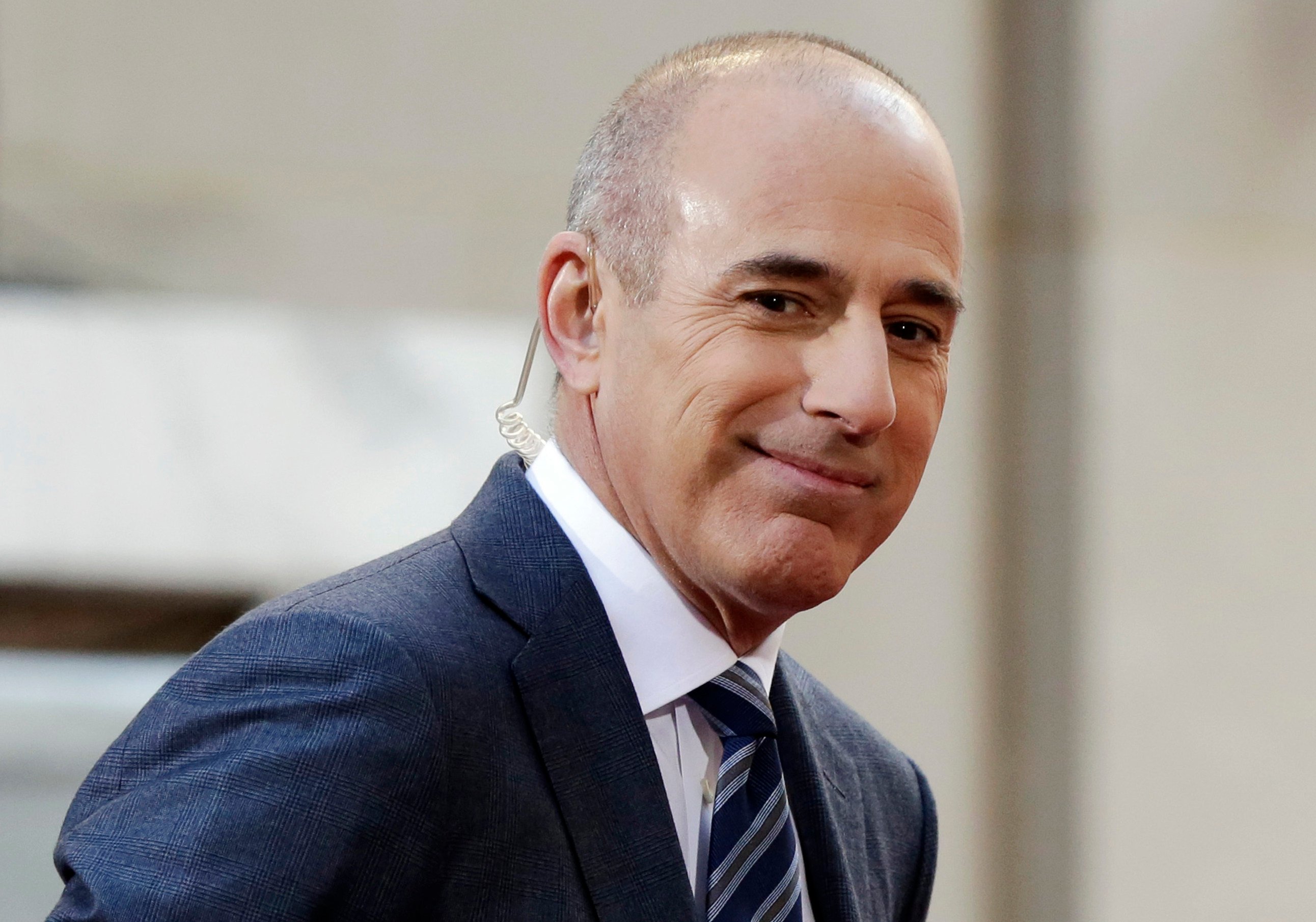
In many ways, Matt Lauer’s role extended beyond the confines of television.
He became a cultural icon, representing a certain aspirational ideal of success—one built on hard work, professionalism, and the ability to connect with ordinary Americans.
His image was used in countless promotional campaigns, and he was often invited to participate in high-profile events, further cementing his status as a trusted figure.
For millions of viewers, Lauer’s presence in the morning routine was a comforting constant.
His voice and face became intertwined with the start of their day, making him a symbol of stability amid the chaos of modern life.
In a media environment increasingly driven by sensationalism and polarization, Lauer’s steady, affable persona offered a sense of normalcy and reliability.
The Turning Point: Allegations and the Erosion of Trust
However, the narrative of Matt Lauer’s career took a dramatic turn in late 2017. Multiple women came forward with allegations of sexual misconduct, harassment, and abuse.
These revelations shocked the nation and marked a pivotal moment in the ongoing #MeToo movement, which sought to hold powerful men accountable for their actions.
The allegations against Lauer were particularly damaging because they contrasted sharply with his previously untouchable image.
The man who had been seen as a symbol of trust and integrity was now accused of abusing that trust in profoundly harmful ways.
The scandal led to NBC’s swift termination of Lauer’s employment, and he was publicly disgraced.
The fallout from these allegations extended beyond Lauer himself, prompting a broader reckoning within the media industry and society at large.
The revelations prompted many to reevaluate the behavior of powerful figures in television, politics, and business, and underscored the importance of accountability and transparency.
The Impact on NBC and the Media Industry
The fallout from the Lauer scandal was not limited to his personal career; it also had significant repercussions for NBC and the broader media industry.
NBC faced intense scrutiny over its handling of the allegations, including questions about how the network managed complaints and whether it had taken appropriate action earlier.
The incident prompted a reevaluation of workplace culture within the industry, leading many organizations to implement stricter policies and training programs aimed at preventing harassment and promoting a safer work environment.

For NBC, the scandal was a wake-up call about the vulnerabilities inherent in the culture of power and privilege that can sometimes pervade media organizations.
It also sparked a broader conversation about the importance of safeguarding journalistic integrity and maintaining public trust in an era where allegations of misconduct can rapidly erode credibility.
The Broader Cultural and Social Context
The story of Matt Lauer is emblematic of a larger societal shift. It highlights how the #MeToo movement has transformed the landscape of workplace accountability, especially for those in positions of influence.
The movement has empowered victims to come forward and has challenged longstanding norms that protected powerful men from scrutiny.
This cultural shift has led to increased awareness and a demand for change across industries, including media, entertainment, politics, and corporate America.
It underscores the importance of fostering workplaces that respect boundaries, promote equality, and prioritize ethical conduct.
Reflection and Legacy
Today, the legacy of Matt Lauer remains complex and multifaceted. On one hand, he was a pioneering figure in American morning television, whose professionalism and charisma helped shape the industry.
On the other hand, his downfall serves as a stark reminder of how power can corrupt and how trust can be betrayed.
The story of Matt Lauer continues to serve as a cautionary tale about the importance of accountability, integrity, and the ongoing fight against workplace misconduct.
It also prompts reflection on how society can better protect individuals from abuse and ensure that those in positions of influence are held to the highest standards of ethical behavior.
In the end, Matt Lauer’s career encapsulates the rise and fall of a media icon who once symbolized the best of American journalism—trust, success, and power.
His story is a testament to the transformative power of societal change and the importance of holding individuals accountable for their actions.
As the media industry continues to evolve, the lessons learned from Lauer’s rise and fall will undoubtedly influence how future generations of journalists and broadcasters approach their roles, emphasizing the need for integrity, respect, and responsibility in all aspects of their work.
News

Officers Burned a Black Woman’s Passport — Then Learned She Was the Attorney General’s Wife
Officers Burned a Black Woman’s Passport — Then Learned She Was the Attorney General’s Wife In a startling incident that…

A Lighthearted Moment Turns Romantic: The Janitor’s Joke Sparks a Heartwarming Connection
A Lighthearted Moment Turns Romantic: The Janitor’s Joke Sparks a Heartwarming Connection In the bustling corridors of a local community…

Night Janitor Witnesses CEO Pleading in Sign Language: The Shocking Turn of Events That Led to a Corporate Downfall and Criminal Charges
Night Janitor Witnesses CEO Pleading in Sign Language: The Shocking Turn of Events That Led to a Corporate Downfall and…

CEO Witnesses Single Dad’s Calmness During Robbery — His Unexpected Response Shocks the World
CEO Witnesses Single Dad’s Calmness During Robbery — His Unexpected Response Shocks the World In a world where headlines are…

Shocking Courtroom Showdown: Cheating Wife Files for Divorce and Walks In with Her Lover, Laughing in Front of the Court
Shocking Courtroom Showdown: Cheating Wife Files for Divorce and Walks In with Her Lover, Laughing in Front of the Court…

“That’s My Husband the CEO Said — The Room Froze After They Mocked the Single Dad Janitor”
The Power of Respect and Dignity in the Workplace: How a Single Dad Janitor’s Stand Inspired a Movement In today’s…
End of content
No more pages to load