Minnesota Timberwolves Star Donte DiVincenzo Suffering Serious Achilles Injury: A Detailed Overview
Minnesota Timberwolves Star Donte DiVincenzo Suffering Serious Achilles Injury: A Detailed Overview
In a significant development that has sent shockwaves through the NBA community, Minnesota Timberwolves guard Donte DiVincenzo has been diagnosed with a torn right Achilles tendon.
This injury, confirmed by reputable sports journalist Shams Charania, marks a potentially season-altering setback for the talented player and the Timberwolves franchise.
As fans, analysts, and team officials grapple with the implications of this injury, it is crucial to understand the details surrounding the diagnosis, the nature of Achilles injuries, and what this means for DiVincenzo’s future and the Timberwolves’ upcoming plans.
Background: Who is Donte DiVincenzo?
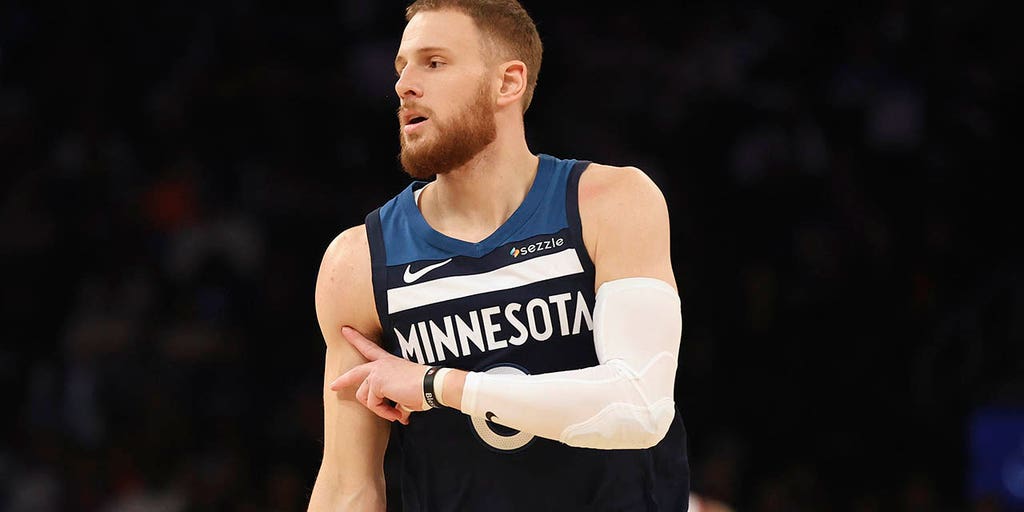
Donte DiVincenzo, born on January 15, 1997, in Wilmington, Delaware, has established himself as a versatile guard in the NBA.
Known for his athleticism, defensive prowess, and ability to contribute offensively, DiVincenzo has become a key component of the Timberwolves’ roster since his acquisition.
His journey to the NBA began with a standout college career at Villanova University, where he played a pivotal role in leading the Wildcats to a national championship in 2018.
Drafted 17th overall by the Milwaukee Bucks in the 2018 NBA Draft, DiVincenzo’s early years in the league showcased his potential as a two-way player.
His tenure with the Bucks was marked by notable performances, especially during their 2021 championship run, where his energy and defensive tenacity earned widespread recognition.
In recent seasons, he transitioned to the Timberwolves, aiming to elevate his game and help the team contend in the competitive Western Conference.
The Injury: What We Know
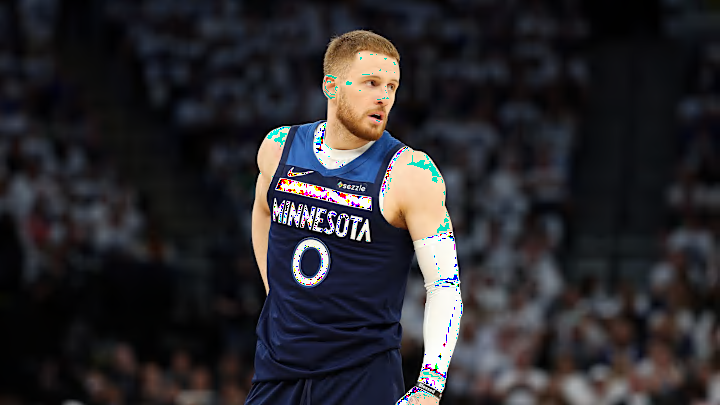
According to Shams Charania, a highly trusted source in sports journalism, Donte DiVincenzo has sustained a torn right Achilles tendon.
This diagnosis is typically confirmed through MRI scans and medical evaluations conducted by team physicians and specialists.
The injury was reportedly sustained during recent practice sessions or games, although the exact circumstances are still under investigation.
Achilles injuries are among the most serious and dreaded injuries in professional sports, particularly in basketball, where explosive movements and quick cuts are fundamental to the game.
A torn Achilles tendon often requires surgical intervention and an extensive rehabilitation process, with recovery times ranging from several months to over a year, depending on the severity of the tear and the individual’s response to treatment.
Understanding Achilles Tendon Injuries
 c
c
Anatomy and Function
The Achilles tendon is the largest and strongest tendon in the human body, connecting the calf muscles to the heel bone.
It plays a crucial role in walking, running, jumping, and other explosive movements common in basketball.
Its strength and flexibility are vital for athletes who rely heavily on lower-body power and agility.
Causes and Risk Factors
Achilles tendon tears often result from sudden acceleration, jumping, or pivoting movements — all common in basketball. Factors that increase the risk include:
Overuse or repetitive strain
Sudden increase in training intensity
Age-related degeneration
Previous injuries or tendinopathy
Poor conditioning or improper footwear
Symptoms and Diagnosis
Symptoms of a torn Achilles tendon include:
Sudden, sharp pain at the back of the ankle or calf
A popping or snapping sound at the moment of injury
Swelling and bruising
Difficulty walking or standing on tiptoes
Weakness in the affected leg
Diagnosis involves physical examination, imaging tests like MRI or ultrasound, and assessment of the injury’s extent.
Treatment and Rehabilitation
Treatment options depend on the severity of the tear:
Surgical Repair: Often recommended for complete tears, involving stitching the torn ends of the tendon back together.
Non-Surgical Management: Includes immobilization with a cast or boot, followed by physical therapy, typically reserved for partial tears or less active individuals.
Rehabilitation is a lengthy process, emphasizing gradual weight-bearing, strength training, and flexibility exercises. The goal is to restore full function while minimizing the risk of re-injury.
The Impact on Donte DiVincenzo and the Timberwolves
Personal and Professional Implications for DiVincenzo
For Donte DiVincenzo, this injury represents a significant hurdle in his career trajectory.
As a player known for his energy, defensive versatility, and offensive contributions, missing substantial playing time could hinder his development and impact his future contract negotiations.
The recovery process will demand patience, dedication, and a carefully structured rehabilitation plan.
While many athletes have successfully returned from Achilles injuries, the road to full recovery is challenging, and there are concerns about maintaining peak athletic performance post-injury.
Short-term and Long-term Effects on the Timberwolves
The Minnesota Timberwolves, a team striving for playoff success and aiming to contend in the Western Conference, will need to adjust their strategies in light of DiVincenzo’s absence.
His versatility on both ends of the floor has been a valuable asset, particularly in defending top-tier opponents and providing scoring punch.
In the short term, the team may need to rely more heavily on other guards and wings, potentially altering rotations and defensive schemes.
Coaches and management will evaluate whether to pursue additional roster moves or adjust their game plan to compensate for the loss.
Long-term, the Timberwolves’ success hinges on how well DiVincenzo recovers and how the team adapts to his absence.
This injury underscores the unpredictable nature of sports and the importance of depth and resilience within a roster.
Broader Implications for the NBA
Achilles injuries have historically been a significant concern for NBA players, often impacting careers and team success.
High-profile examples include athletes like Kobe Bryant, Kevin Durant, and Brandon Roy, whose careers were notably affected by Achilles tears.
This incident serves as a reminder of the physical toll basketball takes on athletes and highlights the importance of injury prevention, advanced medical treatment, and tailored rehabilitation programs.
The Road Ahead: Recovery and Future Prospects
Rehabilitation Timeline
Typically, recovery from a torn Achilles tendon can take anywhere from 9 to 12 months, depending on the severity and the success of surgical intervention.
For an active NBA player, returning to full competitive play might extend beyond this range, especially to regain peak explosiveness and agility.
Potential Challenges During Recovery
Rebuilding strength and flexibility
Avoiding re-injury or compensatory injuries
Restoring confidence in the injured ankle
Managing expectations from coaching staff and fans
Hope for a Successful Return
While the injury is serious, advancements in sports medicine and rehabilitation have enabled many athletes to return to their previous levels of performance.
With proper treatment and dedication, DiVincenzo’s prospects of returning to the court remain optimistic.
Conclusion
The diagnosis of a torn right Achilles tendon for Donte DiVincenzo is a sobering development for the Minnesota Timberwolves and their fans.
This injury not only impacts the immediate season but also raises questions about the player’s long-term health and career trajectory.
As the team and DiVincenzo himself embark on the challenging journey of recovery, the basketball world will be closely watching his progress.
Injuries are an inherent risk in professional sports, and how athletes respond to these setbacks often defines their careers.
With the right medical care, support system, and perseverance, there remains hope that DiVincenzo will overcome this obstacle and return to contribute at the highest level.
The Timberwolves’ resilience and adaptability will be tested in the coming months, but their commitment to recovery and success remains unwavering.
Fans and analysts alike will be rooting for DiVincenzo’s swift and full recovery, eager to see him back on the court, energizing the team and entertaining basketball enthusiasts worldwide.