Sarah J. Maas Opens Up About the Challenges of the ACOTAR TV Adaptation: Concerns Over Losing Creative Control
Sarah J. Maas Opens Up About the Challenges of the ACOTAR TV Adaptation: Concerns Over Losing Creative Control
In the world of fantasy literature, few authors have achieved the level of success and dedicated following as Sarah J. Maas. Her A Court of Thorns and Roses (ACOTAR) series has captivated millions of readers worldwide, inspiring a passionate fandom eager to see the beloved story brought to life on screen.
Recently, Maas provided an insightful update on the long-anticipated adaptation of her series into a television show, revealing her concerns about losing creative control over the story.
This candid revelation has sparked a wave of discussions among fans, industry insiders, and media outlets about the challenges of adapting popular books for television and the importance of authorial oversight.
Background: The Growing Popularity of ACOTAR and Its Adaptation Journey

Since the release of the first book in the ACOTAR series in 2015, Sarah J. Maas’s fantasy saga has experienced meteoric growth in popularity.
The series, set in a richly developed world filled with faeries, humans, and other mystical creatures, has become a staple in contemporary fantasy literature.
Its compelling characters, intricate plotlines, and lush world-building have earned it a dedicated global fanbase.
The enthusiasm for a live-action adaptation has been evident for years. Multiple studios and streaming platforms expressed interest, with some even entering early negotiations.
However, the journey from page to screen has been fraught with complexities, including rights negotiations, script development, casting, and the challenge of translating an intricate fantasy universe into visual storytelling.
Sarah J. Maas’s Involvement and Initial Enthusiasm
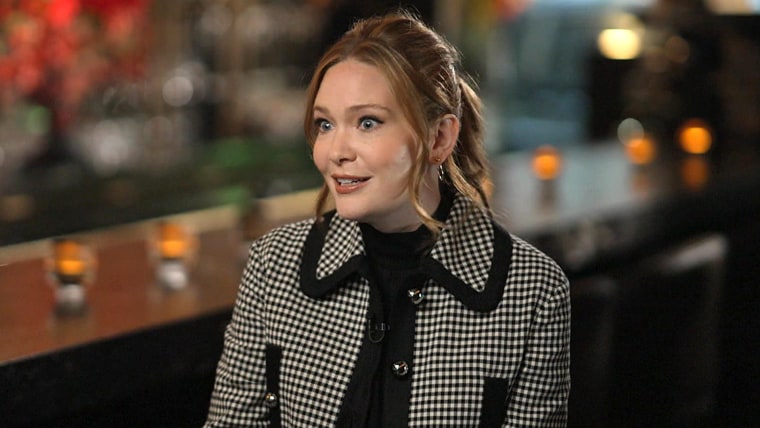
Sarah J. Maas has been actively involved in the adaptation process, working closely with producers and screenwriters to ensure her vision remains intact.
As an author, Maas has emphasized her desire to see her characters and story faithfully represented, often expressing cautious optimism about the project’s potential.
In interviews over the years, she highlighted her commitment to maintaining the integrity of her world, sharing her hopes that the series would do justice to her books and satisfy her fans.
Her proactive engagement was seen as a positive sign that the adaptation would be handled with care and respect for the source material.
Recent Developments: The Update on the ACOTAR TV Project
:max_bytes(150000):strip_icc():focal(824x314:826x316)/Sarah-J-Maas-Call-Her-Daddy-030526-tout-48dff608e970435b8b8ffe081df36aa9.jpg)
However, recent statements from Sarah J. Maas have cast a different light on the project’s current status.
In a candid social media post, she disclosed that she has become increasingly concerned about the direction the adaptation is taking.
She expressed her fears that, despite her initial involvement, she might ultimately lose control over key aspects of the story, including character portrayals, plot developments, and the overall tone of the show.
Maas’s update was prompted by a series of developments that she felt were diverging from her original vision.
These included changes to character arcs, alterations in the narrative structure, and decisions made by the production team that she did not agree with.
Her words resonated deeply with her followers, many of whom have been eagerly awaiting the series and are keen to see how faithfully it will adhere to the books.
The Core Concerns: Losing Control Over the Story
At the heart of Sarah J. Maas’s concerns is the issue of creative control. When adapting a beloved literary work for television or film, the original author’s influence often diminishes as the project moves into the hands of producers, showrunners, and network executives.
While collaboration can enhance the storytelling, it also introduces the risk of diluting or altering the original narrative.
Maas articulated her worries about this loss of control, emphasizing the importance of staying true to the characters and themes that have resonated with readers for years.
She highlighted that her primary concern is preserving the emotional core of the story, which she believes might be compromised if external factors override her creative intentions.
The Industry Context: Challenges of Literary Adaptations
Maas’s experience is not unique; many authors have faced similar struggles when their works are adapted for the screen.
The entertainment industry often prioritizes commercial viability, audience appeal, and market trends, which can sometimes conflict with an author’s vision.
For example, adaptations of popular book series like Game of Thrones, The Lord of the Rings, and The Witcher have all encountered challenges related to balancing fidelity to the source material with the demands of television or film production.
In some cases, fans have expressed disappointment when adaptations diverged significantly from the books, leading to debates about artistic integrity versus creative freedom.
In the case of ACOTAR, the series’s complex world-building and character development pose additional hurdles.
Translating the nuanced relationships, magical systems, and emotional depth from page to screen requires careful planning and a shared vision among all involved parties.
The Role of the Author in Adaptations: A Delicate Balance
Sarah J. Maas’s concerns highlight a broader conversation about the role of authors in their adaptations.
While some authors choose to step back entirely, trusting producers to handle the project independently, others, like Maas, prefer to remain actively involved to safeguard their creative vision.
This balance is delicate. On one hand, author involvement can ensure fidelity to the source material; on the other, it can complicate production timelines and decision-making processes.
Ultimately, the degree of control an author has depends on contractual agreements, the willingness of production teams to collaborate, and the nature of the project.
Maas’s recent update underscores the importance of authorial influence, especially for works with dedicated fanbases who expect the adaptation to reflect the original story accurately.
Fan Reactions and Expectations
The news of Maas’s concerns has elicited a wide range of reactions from fans.
Many express understanding and support her desire to protect her story, emphasizing the importance of staying true to the books that have meant so much to them.
Others are anxious about the potential changes and how they might impact their enjoyment of the series.
Some fans have voiced fears that creative liberties could distort the characters’ personalities, alter key plot points, or diminish the emotional resonance of the story.
Despite these concerns, the overall sentiment underscores a deep respect for Maas’s involvement and a hope that her voice will be considered throughout the adaptation process.
Implications for the Future of the ACOTAR TV Series
Sarah J. Maas’s openness about her concerns could influence the future trajectory of the ACOTAR adaptation.
Her willingness to speak candidly might encourage production teams to prioritize her input and establish clearer boundaries to preserve the integrity of the story.
In the entertainment industry, transparency from authors and creators can lead to more collaborative and respectful relationships, ultimately resulting in a product that satisfies both artistic and commercial goals.
Furthermore, her statements may set a precedent for other authors involved in adaptations, highlighting the importance of authorial oversight and advocating for creative control.
The Broader Conversation: Literature, Adaptation, and Artistic Integrity
Maas’s update also contributes to a larger discussion about the nature of adaptation in contemporary media.
As streaming platforms and television networks invest heavily in adapting popular books, questions about artistic integrity, authorial rights, and fan expectations become increasingly relevant.
Balancing commercial interests with fidelity to original works remains a challenge.
The industry must navigate the tension between creative freedom and respect for the source material, especially when dealing with passionate fanbases.
This conversation is vital for fostering a more ethical and collaborative approach to adaptation, ensuring that stories are told with integrity and respect for their creators.
Conclusion: A Call for Respectful Collaboration
Sarah J. Maas’s recent revelations about her concerns over the ACOTAR TV adaptation serve as a reminder of the importance of respecting authors’ visions and creative control in the adaptation process.
While the journey from page to screen is complex and fraught with challenges, maintaining open communication and collaboration can lead to a final product that honors the original story and satisfies fans.
As the project continues to develop, fans and industry insiders alike will be watching closely to see how Maas’s influence shapes the final series.
Her honesty underscores a broader principle: that storytelling is a deeply personal craft, and safeguarding its integrity requires respect, transparency, and a shared commitment to artistic excellence.
Final Thoughts
The adaptation of Sarah J. Maas’s A Court of Thorns and Roses series into a television show is more than just a commercial venture; it’s a cultural moment that highlights the delicate balance between creative vision and industry realities.
Maas’s openness about her concerns is a positive step toward ensuring that her story remains authentic and true to its roots.
Fans deserve a faithful adaptation that captures the magic of the books, and creators must recognize the vital role authors play in preserving the heart of a story.
With ongoing dialogue and mutual respect, the ACOTAR series can become a shining example of how literary adaptations should be handled—faithful, respectful, and true to the spirit of the original work.