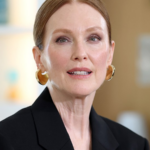
Julianne Moore Expresses Disinterest in Action-Packed Films Amid Global Turmoil
In an era marked by unprecedented global crises, social upheavals, and widespread uncertainty, renowned actress Julianne Moore has recently shared her perspective on the type of movies she finds compelling—and those she chooses to avoid.
The Hollywood icon, celebrated for her profound performances and compelling storytelling, has openly stated that she is no longer interested in movies that rely heavily on explosions, gunfire, and other forms of cinematic violence.
Instead, Moore emphasizes her desire to engage with films that address more meaningful, socially conscious themes, especially given the tumultuous state of the world today.
A Shift in Perspective: From Action to Reflection

Julianne Moore, who has captivated audiences worldwide with her versatile acting skills and dedication to her craft, recently made headlines with her candid remarks about her evolving taste in cinema.
She explained that the current global landscape—characterized by political instability, environmental crises, economic uncertainties, and social unrest—has profoundly influenced her viewing preferences.
Moore articulated her feelings during a recent interview, highlighting her disinterest in the typical blockbuster fare that often features high-octane action sequences, gunfights, and explosive set-pieces.
“Things are so rough globally right now,” Moore stated, her tone reflective and earnest. “I find myself less interested in movies that are just about explosions and guns.
I want films that resonate on a deeper level, that explore the human condition, social issues, and the complexities of our world today.”
Her words resonate with many viewers who are increasingly seeking entertainment that not only entertains but also enlightens and prompts reflection on pressing societal challenges.
The Context of Global Turmoil
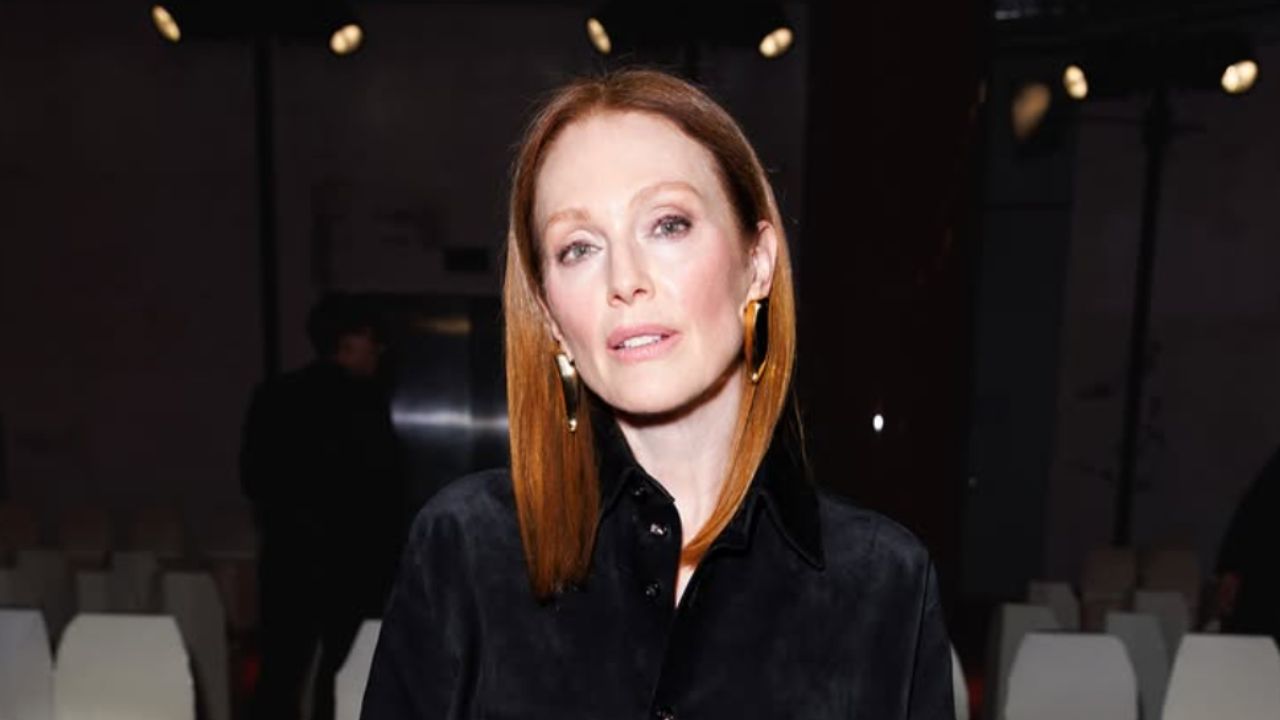
To understand Moore’s perspective fully, it’s essential to consider the broader context of the current global situation.
Over the past few years, the world has faced a series of interconnected crises that have tested the resilience of societies across the globe.
The COVID-19 pandemic, which began in late 2019 and persisted into the early 2020s, exposed vulnerabilities in healthcare systems, economies, and social structures worldwide.
The pandemic also prompted a reevaluation of priorities, with many individuals questioning the value of mindless entertainment in favor of content that addresses real-world issues.
Simultaneously, geopolitical tensions have escalated in various regions, leading to conflicts, wars, and diplomatic crises.
The ongoing war in Ukraine, tensions in the South China Sea, and conflicts in the Middle East have created an atmosphere of uncertainty and fear.
These events have not only caused humanitarian crises but have also influenced cultural and artistic expressions, including the types of movies that resonate with audiences and creators alike.
Climate change, environmental degradation, and natural disasters have further compounded the sense of urgency and existential threat.
Wildfires, hurricanes, floods, and rising sea levels have become increasingly common, prompting a global conversation about sustainability and environmental responsibility.
In this climate of upheaval, many people—including influential figures like Moore—are seeking content that reflects these realities rather than escapist, action-oriented films.
Julianne Moore’s Evolving Artistic Philosophy

Julianne Moore’s stance is emblematic of a broader shift within the entertainment industry, where many artists and creators are choosing projects that align with social consciousness and activism.
Moore, who has long been known for her thought-provoking roles and advocacy work, has expressed her desire to be part of stories that matter.
In her recent interviews and public appearances, Moore has emphasized her interest in films that explore complex social issues such as racial inequality, mental health, climate change, and political corruption.
She believes that cinema has the power to influence public discourse and foster empathy, and she is committed to supporting projects that serve this purpose.
This shift also reflects her personal growth as an artist. Having built a career on nuanced performances and compelling narratives, Moore recognizes the importance of using her platform to address pressing societal concerns.
She has been involved in various charitable causes and has spoken out on issues ranging from gun control to gender equality.
Her rejection of superficial, violence-driven movies underscores her commitment to authenticity and meaningful storytelling.
The Cultural Implications of Moore’s Perspective
Moore’s comments resonate with a broader cultural movement among audiences who are increasingly critical of violent and sensationalist media.
In recent years, there has been a surge in demand for films and television shows that prioritize social justice, mental health awareness, and environmental activism.
Streaming platforms and independent filmmakers are leading the charge by producing content that challenges viewers to think critically about the world around them.
Moreover, the rise of social media has amplified voices calling for responsible storytelling.
Audiences are more aware than ever of the potential impact of media on societal attitudes and behaviors.
This awareness has prompted creators to consider the ethical implications of their work, leading to a more conscientious approach to filmmaking.
Moore’s stance aligns with these trends, emphasizing that entertainment should serve a higher purpose—whether it’s fostering empathy, promoting social change, or simply encouraging reflection.
Her rejection of movies centered around explosions and guns is not just a personal preference but a reflection of a larger cultural shift toward more thoughtful and socially relevant content.
The Future of Cinema in a Turbulent World
As the world continues to grapple with complex challenges, the film industry is likely to evolve in response.
Filmmakers are increasingly exploring themes of resilience, hope, and social justice, moving away from pure escapism toward stories that mirror real-world struggles.
This transition is evident in the rising popularity of documentaries, social dramas, and films that challenge viewers to confront uncomfortable truths.
Julianne Moore’s stance serves as a reminder of the power of cinema to influence societal attitudes.
By choosing projects that reflect the realities of our times, artists like Moore contribute to a cultural dialogue that can inspire change and foster understanding.
Conclusion: A Call for Thoughtful Entertainment
In a time when global crises dominate headlines and societal divisions seem to deepen, Julianne Moore’s recent remarks about her disinterest in action-packed, violence-driven movies highlight an important cultural conversation.
Her advocacy for films that address real-world issues underscores a desire for entertainment that is not only engaging but also meaningful.
As audiences become more conscious of the impact of media, and as filmmakers respond to this demand, the landscape of cinema is poised for a transformation.
Moore’s perspective encourages both creators and viewers to prioritize stories that promote empathy, understanding, and social responsibility. In doing so, cinema can continue to be a powerful tool for reflection, activism, and positive change in an increasingly complex world.
News
They Called Her a Gold Digger — Until She Revealed She Was the Billionaire
They Called Her a Gold Digger — Until She Revealed She Was the Billionaire For months, whispers followed her through…

The Groom’s Family Laughed at Her — Then Her Billionaire Brother Left Them Speechless
The Groom’s Family Laughed at Her — Then Her Billionaire Brother Left Them Speechless Weddings are often described as celebrations…

“Welcome On Board, Sir.” Husband Freezes When Wife Welcomes Them on Flight — But What She Did Next Left Everyone Speechless
“Welcome On Board, Sir.” Husband Freezes When Wife Welcomes Them on Flight — But What She Did Next Left Everyone…
She Saw Everyone Ignore the Billionaire’s Deaf Daughter — Until She Spoke to Her Through Sign Language
She Saw Everyone Ignore the Billionaire’s Deaf Daughter — Until She Spoke to Her Through Sign Language In a glittering…

Black Girl Notices Billionaire’s Drink Is Poisoned — What She Does Next Stuns Everyone
Black Girl Notices Billionaire’s Drink Is Poisoned — What She Does Next Stuns Everyone A Quiet Dinner Turned Into a…

Breaking News: NFL Veteran Aaron Rodgers and the Pittsburgh Steelers Reach One-Year Contract Agreement
Breaking News: NFL Veteran Aaron Rodgers and the Pittsburgh Steelers Reach One-Year Contract Agreement In a stunning development that has…
End of content
No more pages to load