Bob Weir: The Enduring Legacy of a Psychedelic Rock Icon and Grateful Dead Co-Founder
In the annals of American rock history, few figures have left as indelible a mark as Bob Weir.
As a singer-songwriter and guitarist, Weir’s influence extends far beyond his role as a founding member of the legendary band the Grateful Dead.
Over the course of more than five decades, he has been a pivotal figure in shaping the psychedelic rock movement, inspiring generations of musicians, and captivating audiences worldwide with his distinctive sound and improvisational prowess.
His journey from the vibrant streets of San Francisco to the global stages of music festivals epitomizes the transformative power of music and the enduring spirit of the counterculture era.
Early Life and Musical Beginnings

Born Robert Hall Weir on October 16, 1947, in San Francisco, California, Bob Weir’s musical roots are deeply intertwined with the cultural upheaval of the 1960s.
Growing up in the Bay Area, Weir was exposed to a burgeoning scene of artistic experimentation, social activism, and musical innovation.
Inspired by blues, folk, and early rock and roll, he picked up the guitar at a young age, quickly developing a unique style characterized by fluid improvisation and lyrical storytelling.
As a teenager, Weir immersed himself in the local music scene, playing in various bands and honing his craft. It was during this period that he crossed paths with Jerry Garcia, Ron “Pigpen” McKernan, Phil Lesh, and Bill Kreutzmann—musicians who would later form the core of the Grateful Dead.
Their shared passion for musical exploration and cultural revolution set the stage for what would become one of the most influential bands in American history.
The Birth of the Grateful Dead
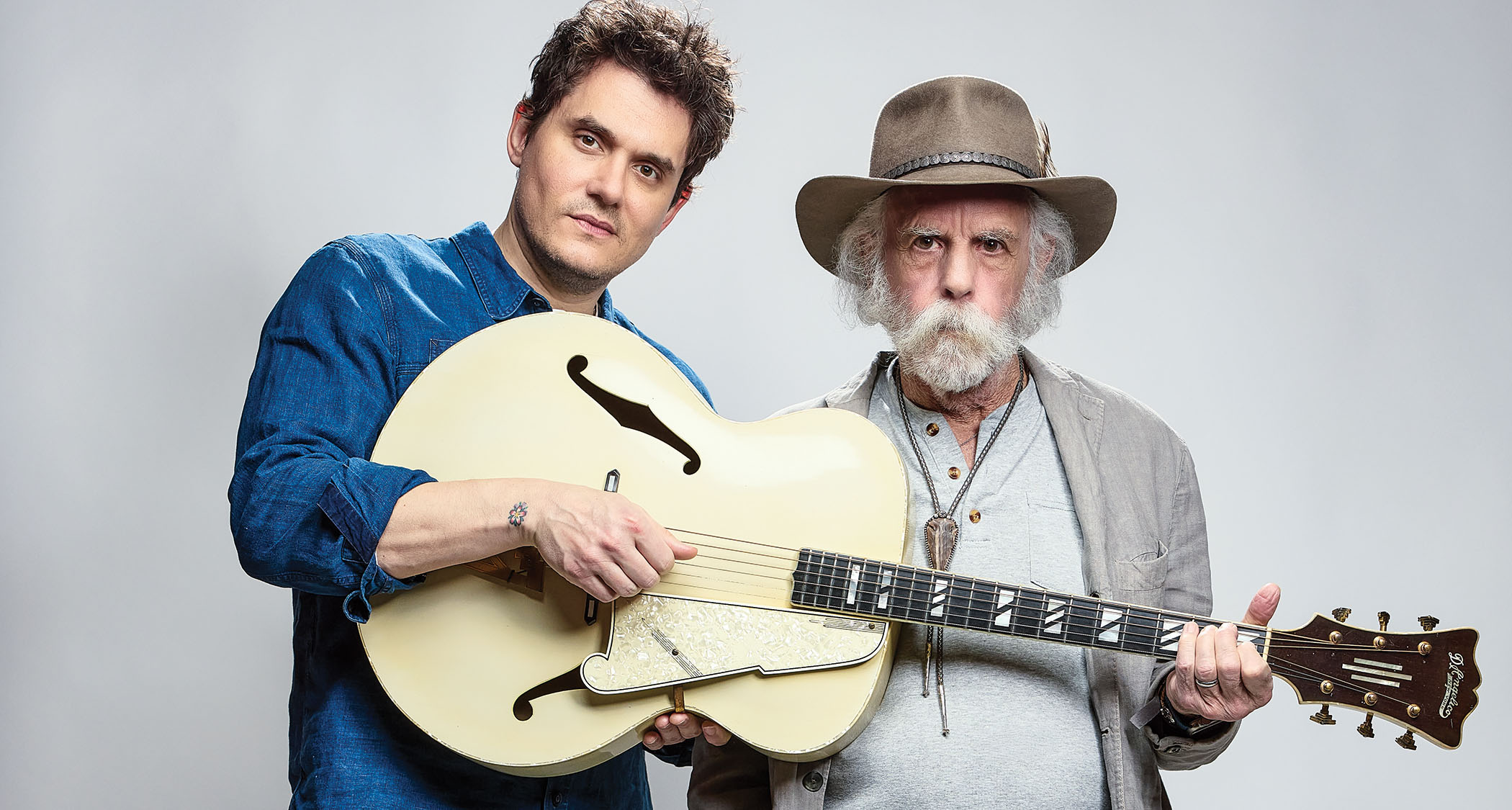
In 1965, the band that would come to be known as the Grateful Dead officially formed. Originally called the Warlocks, the group adopted their iconic name after a brief stint as the Warlocks and a move to San Francisco’s burgeoning music scene.
Bob Weir’s addition to the band in 1963 as a guitarist and vocalist brought a new dimension to their sound, blending folk, blues, psychedelic rock, and improvisational jamming.
The Grateful Dead quickly gained notoriety for their improvisational live performances, often stretching songs into extended jams that showcased each member’s virtuosity and collective spontaneity.
Weir’s rhythm guitar work and songwriting contributions became integral to the band’s signature sound—an eclectic mix of musical genres fused with a free-spirited ethos that resonated with the counterculture movement of the 1960s.
The Psychedelic Era and Cultural Impact
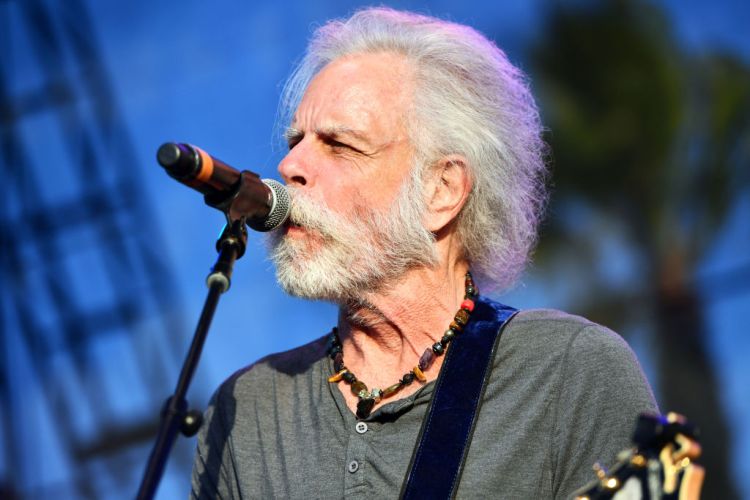
The late 1960s marked a pivotal era for the Grateful Dead and Bob Weir’s career. As the band became synonymous with the psychedelic movement, they played a central role in defining the musical landscape of the era.
Their legendary performances at venues like the Fillmore Auditorium and their participation in iconic festivals such as Woodstock and the Monterey Pop Festival cemented their status as musical pioneers.
During this period, Weir’s songwriting and guitar playing evolved, reflecting the psychedelic experience and the social upheavals of the time.
Tracks like “Truckin’,” “Sugar Magnolia,” and “Playing in the Band” became anthems of a generation seeking liberation and self-expression.
The band’s improvisational style and communal approach to music fostered a sense of unity among fans, known as “Deadheads,” who followed the band on tour and embraced the band’s ethos of peace, love, and music.
Weir’s Musical Style and Contributions
Bob Weir’s guitar playing is characterized by a rhythmic, melodic approach that complements the band’s improvisational jams.
His ability to blend folk-inspired chord progressions with blues and rock influences created a distinctive sound that set the Grateful Dead apart from other psychedelic bands.
Weir’s songwriting often featured poetic lyrics and memorable melodies, adding depth and narrative to the band’s expansive musical universe.
Throughout his career, Weir demonstrated remarkable versatility, seamlessly shifting between genres and adapting to the band’s evolving sound.
His collaborations with Jerry Garcia, Phil Lesh, and other band members resulted in some of the most iconic recordings in rock history.
Notable songs penned or co-written by Weir include “Ripple,” “Estimated Prophet,” and “Cassidy,” each showcasing his lyrical talent and musical ingenuity.
The Offshoots and Later Years
Following the band’s initial disbandment in 1995, Bob Weir continued to explore new musical avenues through various projects and collaborations.
He co-founded RatDog, a band that allowed him to revisit the improvisational spirit of the Dead while experimenting with different musical styles.
RatDog’s blend of rock, blues, and Americana kept Weir’s creative fire burning and maintained his connection with dedicated fans.
In addition to RatDog, Weir participated in other musical ventures such as Bobby and the Midnites, Kingfish, and the Dead-related supergroup Furthur, which reunited several former band members for special performances and tours.
These projects not only showcased Weir’s enduring talent but also demonstrated his commitment to musical innovation and community building.
Legacy and Influence
Bob Weir’s influence on the world of music is profound and far-reaching. As a pioneer of psychedelic rock and a key figure in the San Francisco music scene, his contributions helped shape the sound of a generation.
The improvisational techniques and genre-blending approach he championed continue to inspire contemporary musicians and bands across multiple genres.
Moreover, Weir’s role in fostering a culture of musical exploration and communal experience has left an indelible mark on the live music scene.
The “Deadhead” phenomenon—fans following the band on tour and cultivating a sense of shared identity—remains a testament to the band’s cultural significance.
In recognition of his contributions, Bob Weir has received numerous accolades, including induction into the Rock and Roll Hall of Fame as a member of the Grateful Dead.
His influence extends beyond music, impacting art, fashion, and social activism, making him an enduring icon of American counterculture.
Personal Life and Philanthropy
Beyond his musical achievements, Bob Weir is known for his philanthropic efforts and commitment to social causes.
He has supported environmental initiatives, music education programs, and charitable organizations dedicated to social justice.
His dedication to giving back to the community underscores his belief in the transformative power of music and collective action.
Weir’s personal life reflects a deep connection to his roots and a continuous pursuit of artistic growth.
Despite the ups and downs of a long career, he remains a beloved figure among fans and peers alike, admired for his authenticity, resilience, and unwavering passion for music.
Conclusion
Bob Weir’s journey from a young guitarist in San Francisco to a legendary figure in American rock history embodies the spirit of innovation, community, and artistic integrity.
As a singer-songwriter and guitarist, his contributions have helped define the psychedelic era and continue to influence musicians today.
With a career spanning over fifty years, Weir’s legacy is not only etched in the recordings and performances he’s left behind but also in the hearts of countless fans worldwide.
His story is a testament to the enduring power of music to unite, inspire, and transform lives, making Bob Weir a true icon of American culture and a cornerstone of the psychedelic rock movement.
News

Officers Burned a Black Woman’s Passport — Then Learned She Was the Attorney General’s Wife
Officers Burned a Black Woman’s Passport — Then Learned She Was the Attorney General’s Wife In a startling incident that…

A Lighthearted Moment Turns Romantic: The Janitor’s Joke Sparks a Heartwarming Connection
A Lighthearted Moment Turns Romantic: The Janitor’s Joke Sparks a Heartwarming Connection In the bustling corridors of a local community…

Night Janitor Witnesses CEO Pleading in Sign Language: The Shocking Turn of Events That Led to a Corporate Downfall and Criminal Charges
Night Janitor Witnesses CEO Pleading in Sign Language: The Shocking Turn of Events That Led to a Corporate Downfall and…

CEO Witnesses Single Dad’s Calmness During Robbery — His Unexpected Response Shocks the World
CEO Witnesses Single Dad’s Calmness During Robbery — His Unexpected Response Shocks the World In a world where headlines are…

Shocking Courtroom Showdown: Cheating Wife Files for Divorce and Walks In with Her Lover, Laughing in Front of the Court
Shocking Courtroom Showdown: Cheating Wife Files for Divorce and Walks In with Her Lover, Laughing in Front of the Court…

“That’s My Husband the CEO Said — The Room Froze After They Mocked the Single Dad Janitor”
The Power of Respect and Dignity in the Workplace: How a Single Dad Janitor’s Stand Inspired a Movement In today’s…
End of content
No more pages to load