Cristiano Ronaldo Acquires 25% Stake in La Liga 2 Club Almería: A New Chapter in Football Investment
Cristiano Ronaldo Acquires 25% Stake in La Liga 2 Club Almería: A New Chapter in Football Investment
A Legendary Football Icon Turns Investor
In a surprising turn of events that has sent shockwaves through the football world, Cristiano Ronaldo, one of the greatest footballers of all time, has made a significant foray into football club ownership.
The Portuguese superstar has purchased a 25% stake in UD Almería, a prominent club competing in La Liga 2, Spain’s second tier of professional football.
This landmark move marks Ronaldo’s first major investment in club ownership and signals a new era where football legends are increasingly taking active roles in club management and investment.
This article explores the details of Ronaldo’s investment, the implications for Almería, the broader trend of football stars becoming club owners, and what this means for the future of football business.
We will delve into Ronaldo’s illustrious career, his transition into business, the rise of La Liga 2 clubs as investment opportunities, and the strategic significance of this high-profile acquisition.
Cristiano Ronaldo: From Football Legend to Business Mogul
A Brief Overview of Cristiano Ronaldo’s Football Career
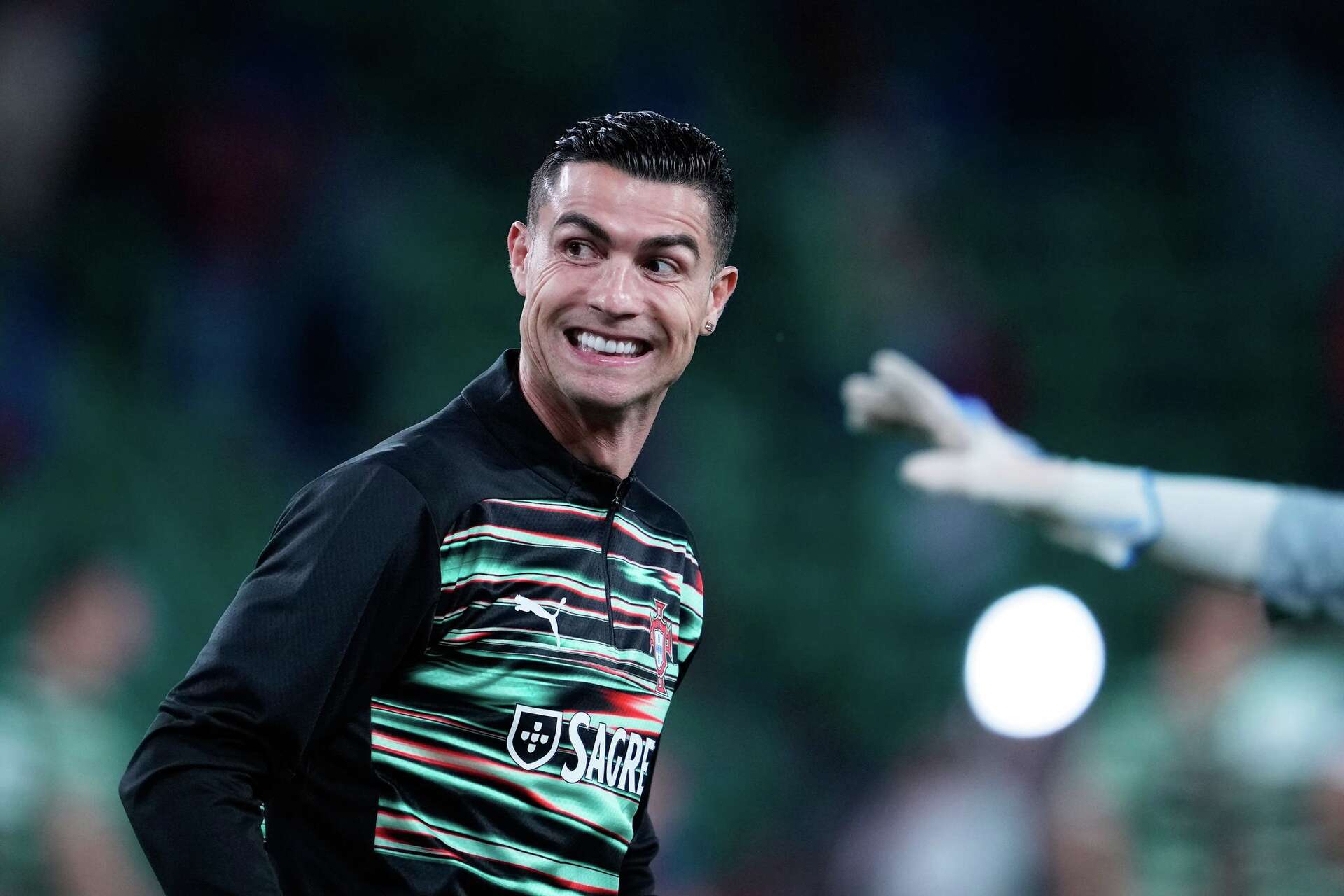
Cristiano Ronaldo dos Santos Aveiro, born on February 5, 1985, in Funchal, Madeira, Portugal, is widely regarded as one of the greatest football players in history.
His career spans over two decades, during which he has achieved unparalleled success at club and international levels.
Ronaldo’s journey began at Sporting Lisbon, where his talent quickly caught the eye of top European clubs.
In 2003, he signed with Manchester United, where he won three Premier League titles and his first UEFA Champions League trophy.
His move to Real Madrid in 2009 elevated his status further, as he became the club’s all-time leading scorer and secured four more Champions League titles.
Later, Ronaldo transferred to Juventus, where he continued to showcase his scoring prowess, and eventually returned to Manchester United in 2021.
Throughout his career, Ronaldo has amassed numerous individual awards, including five Ballon d’Or titles, and has broken countless records, solidifying his legacy as a football icon.
Transition into Business and Investment

Beyond his playing career, Ronaldo has established himself as a shrewd businessman.
His ventures include a global line of apparel, footwear, and accessories under the CR7 brand, as well as investments in hotels, gyms, and other commercial enterprises.
His brand extends well beyond football, making him one of the most marketable athletes worldwide.
In recent years, Ronaldo has expressed interest in expanding his portfolio into football club ownership, recognizing the potential for both financial growth and influence within the sport.
His recent acquisition of a significant stake in Almería underscores this strategic shift.
UD Almería: Rising in La Liga 2
A Brief History of UD Almería
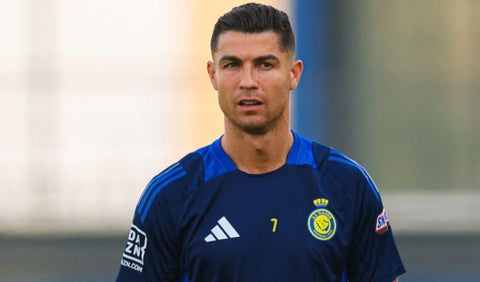
UD Almería, founded in 1989 and based in Andalusia, has been a competitive force in Spanish football for decades.
The club has experienced various promotions and relegations, but in recent years, it has emerged as a serious contender in La Liga 2, aiming for promotion to Spain’s top flight.
The club’s home ground, Estadio de los Juegos Mediterráneos, has a capacity of approximately 15,000 spectators and provides an intimate but passionate atmosphere for fans.
Almería’s playing style is characterized by tactical discipline and youth development, making it an attractive investment for those seeking to support a club with growth potential.
Recent Performance and Ambitions
In the 2023-2024 season, Almería has demonstrated resilience and ambition, competing fiercely in La Liga 2 with aspirations of returning to La Liga, where they previously competed in the top division.
The club’s management has focused on strengthening the squad, developing local talent, and expanding its fan base.
The club’s ownership structure has traditionally been modest, with local investors and management overseeing operations.
Ronaldo’s entry as a major stakeholder is expected to bring new financial resources, commercial opportunities, and global exposure, potentially transforming Almería’s trajectory.
The Significance of Ronaldo’s Investment in Almería
A Historic Moment in Football Ownership
Cristiano Ronaldo’s decision to acquire a 25% stake in Almería is unprecedented in several ways.
While football legends have occasionally invested in clubs, few have taken such a substantial equity share, especially in a club competing in La Liga 2.
This move signifies a new model of athlete entrepreneurship, where football icons leverage their brand power and financial acumen to influence club management and growth strategies.
Ronaldo’s involvement is expected to attract international attention, sponsorship deals, and commercial partnerships, elevating Almería’s profile on the global stage.
Strategic Benefits for Almería
Ronaldo’s investment offers numerous strategic advantages for Almería:
Financial Boost: The infusion of capital can be used to strengthen the squad, upgrade facilities, and improve youth development programs.
Global Exposure: Ronaldo’s worldwide fan base and media presence will bring unprecedented visibility to the club, attracting international fans and sponsors.
Commercial Opportunities: New merchandise lines, marketing campaigns, and digital engagement initiatives can be launched under Ronaldo’s guidance.
Potential for Future Growth: As a part-owner, Ronaldo may influence the club’s strategic direction, possibly leading to further investments or even a future full ownership stake.
Impact on La Liga 2 and Spanish Football
This high-profile investment underscores the growing appeal of La Liga 2 as a viable investment opportunity. It also highlights the increasing trend of football stars moving beyond playing to become active stakeholders and decision-makers in club management.
For Spanish football, Ronaldo’s involvement in Almería could serve as a catalyst for other high-profile athletes and investors to consider similar ventures, fostering innovation, modernization, and financial stability within the league.
Broader Trends: Football Stars as Club Owners
The Rise of Athlete-Owners in Football
Cristiano Ronaldo is not alone in transitioning from player to owner. Other notable football figures have taken similar paths:
David Beckham: Co-owner of Inter Miami CF in Major League Soccer, which has achieved rapid growth and popularity.
Wayne Rooney: Invested in Derby County, though with mixed results.
John Terry: Co-owner of a football academy and involved in club management.
These examples reflect a broader shift where athletes leverage their fame, experience, and financial resources to influence club operations and foster football development.
The Business of Football Ownership
Football club ownership has become a lucrative and complex business. High-profile investors and celebrities see value in owning or co-owning clubs due to:
Brand Expansion: Associating their name with successful clubs enhances personal branding.
Financial Returns: Clubs with strong growth prospects can generate significant profits.
Influence in Sport: Ownership provides a platform to shape club policies, youth development, and community engagement.
Challenges and Risks
While promising, athlete-ownership also involves risks:
Financial Losses: Poor management or underperformance can lead to losses.
Regulatory Scrutiny: Football authorities monitor ownership structures to prevent conflicts of interest.
Market Volatility: Fluctuations in club valuations and league performance impact investments.
Ronaldo’s move into Almería reflects confidence in the club’s potential and the broader optimism about the future of football investments.
Future Outlook: What’s Next for Ronaldo and Almería?
Ronaldo’s Vision and Role
While the specifics of Ronaldo’s day-to-day involvement remain to be seen, his role as a significant stakeholder suggests he will:
Provide strategic guidance and commercial insights.
Help attract sponsors, partners, and international fans.
Possibly influence club recruitment, marketing, and expansion plans.
Almería’s Path to La Liga
With Ronaldo’s backing, Almería aims for promotion to La Liga, a feat that would significantly boost the club’s revenue and prestige.
Achieving top-flight status involves:
Strengthening the squad through targeted signings.
Improving club infrastructure.
Building a loyal and expanding fan base.
Broader Impact on La Liga and Spanish Football
Ronaldo’s involvement could inspire other clubs and investors to pursue similar high-profile partnerships.
It also emphasizes the importance of strategic investment and global branding in modern football.
Conclusion: A New Era for Football Investment
Cristiano Ronaldo’s acquisition of a 25% stake in UD Almería marks a historic milestone in football history.
It exemplifies the evolving landscape where legendary players transition into influential investors, shaping the future of the sport beyond their playing days.
This move not only benefits Almería by injecting capital and global exposure but also highlights the increasing commercialization and internationalization of football clubs.
As Ronaldo continues to build his business empire, his partnership with Almería could serve as a blueprint for future athlete-owners seeking to leave a lasting legacy in the beautiful game.
Final Thoughts
The football world is watching closely as Cristiano Ronaldo embarks on this new chapter. Will his involvement accelerate Almería’s ambitions of reaching La Liga’s top tier?
Can his influence transform the club into a sustainable, globally recognized entity?
Only time will tell, but one thing is certain: Ronaldo’s entry into club ownership is a game-changer, heralding a new era where football legends are also business leaders shaping the sport’s future.