Jenifer Lewis Criticizes Celebrities for Attending Bezos-Backed Met Gala Amid Amazon’s Ongoing Labor Controversies
Jenifer Lewis Criticizes Celebrities for Attending Bezos-Backed Met Gala Amid Amazon’s Ongoing Labor Controversies
In recent weeks, a heated debate has erupted within the entertainment industry and social media circles surrounding the attendance of high-profile celebrities at the Metropolitan Museum of Art’s annual Met Gala, particularly those who have accepted invitations backed, directly or indirectly, by Amazon founder Jeff Bezos.
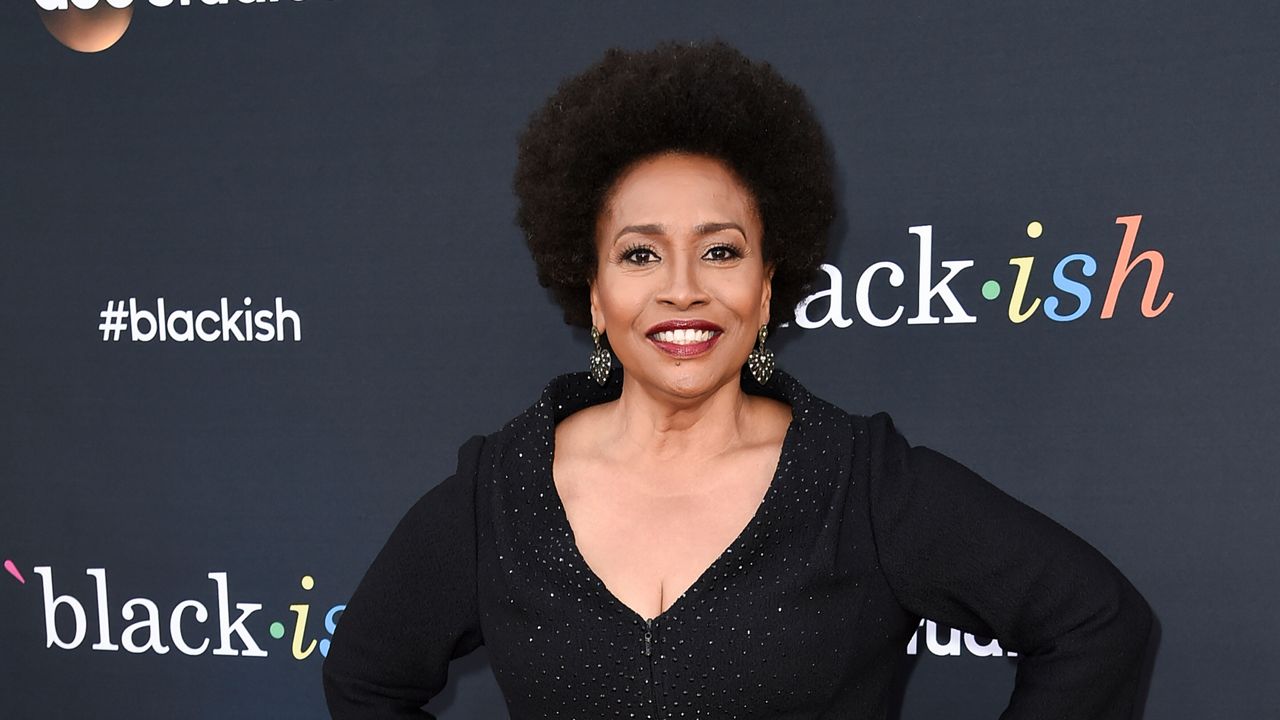
Renowned actress and outspoken activist Jenifer Lewis has emerged as one of the most vocal critics, condemning the stars for participating in an event that many perceive as disconnected from the ongoing struggles faced by workers and communities affected by Amazon’s controversial labor practices.
This criticism underscores a broader conversation about corporate accountability, celebrity influence, and the ethical responsibilities of public figures in today’s socio-political climate.
The Met Gala: A Glamorous Affair or a Symbol of Corporate Elitism?
The Met Gala, often dubbed the “Oscars of the Fashion World,” is renowned for its extravagant displays of fashion, celebrity attendance, and cultural significance.
Held annually at the Metropolitan Museum of Art in New York City, the event serves as a fundraiser for the Costume Institute and attracts some of the most influential figures from Hollywood, fashion, and beyond.
However, in recent years, the gala has also become a symbol of wealth, privilege, and corporate influence, with many critics arguing that it exemplifies the disconnect between the glamorous elite and the pressing social issues facing everyday people.
While the event itself is a celebration of art and fashion, its association with corporate sponsorships and billionaire patrons has sparked controversy.
In particular, Amazon’s deep financial involvement and the participation of celebrities with ties to the company have drawn criticism from activists, workers’ rights advocates, and socially conscious observers.
Jenifer Lewis’s Outspoken Critique: A Call for Ethical Responsibility

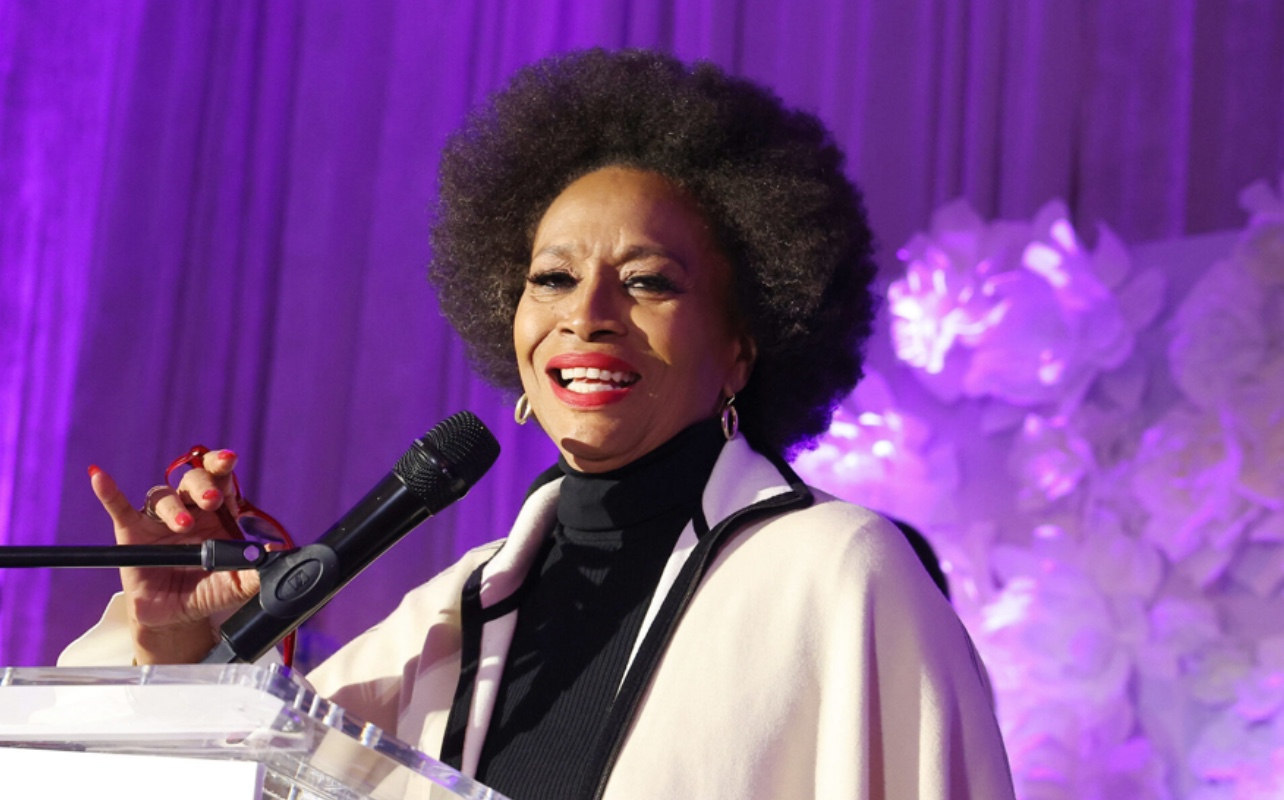
Actress Jenifer Lewis, known for her candidness and advocacy, has publicly voiced her disapproval of celebrities attending the Met Gala when the event is associated with Amazon, especially given the company’s contentious labor record.
Lewis’s critique is rooted in a broader concern about the ethical responsibilities of public figures and the importance of aligning personal actions with social justice principles.
In a recent interview, Lewis emphasized her belief that celebrities, given their platform and influence, have a moral obligation to consider the implications of their participation in events funded or supported by corporations with questionable labor practices.
She pointed out that Amazon, despite its technological innovations and economic contributions, has faced persistent allegations of worker exploitation, unsafe working conditions, and anti-union activities in warehouses and fulfillment centers across the globe.
Amazon’s Labor Practices: A Persistent Controversy
Amazon, one of the world’s largest and most influential corporations, has long been scrutinized for its labor practices.
Over the past decade, numerous reports and investigations have shed light on the challenging working conditions faced by Amazon warehouse employees, revealing a pattern of exploitation, high injury rates, and aggressive anti-union campaigns.
Worker Exploitation and Unsafe Conditions
Labor rights organizations and journalists have documented cases where Amazon workers are subjected to intense productivity quotas, limited breaks, and strenuous physical demands.
Several reports have highlighted instances of workers experiencing injuries due to the fast-paced environment, often without adequate medical support or compensation.
Workers have also reported feeling pressured to meet unrealistic targets, leading to burnout and health issues.
Anti-Union Campaigns and Suppression of Workers’ Rights
Perhaps most controversially, Amazon has been accused of actively suppressing unionization efforts among its employees.
The company has employed various tactics to discourage union organizing, including intimidating workers, conducting anti-union campaigns, and even firing employees involved in organizing activities.
These actions have drawn widespread criticism from labor advocates, who argue that Amazon’s approach undermines workers’ rights to collective bargaining and fair treatment.
Legal Battles and Public Backlash
Amazon’s labor practices have led to numerous legal battles, protests, and calls for regulatory intervention.
Workers’ rights groups and labor unions have organized strikes and protests at Amazon facilities worldwide, demanding better wages, safer working conditions, and the right to unionize.
Despite these efforts, Amazon continues to defend its practices, citing efficiency and customer satisfaction as primary priorities.
The Role of Celebrities in Shaping Public Discourse
Celebrities wield significant influence over public opinion and social attitudes. Their participation in high-profile events like the Met Gala often garners widespread media coverage, shaping perceptions of fashion, culture, and even corporate ethics.
However, this influence also comes with a responsibility to consider the social implications of their actions.
In recent years, many celebrities have taken a stand on social justice issues, using their platforms to advocate for workers’ rights, environmental sustainability, and political reform.
Conversely, some argue that attending events sponsored by or associated with controversial corporations like Amazon can inadvertently lend legitimacy to these entities, undermining efforts to hold them accountable.
The Ethical Dilemma: Fashion, Fame, and Corporate Accountability
The intersection of fashion, celebrity culture, and corporate influence raises complex ethical questions.
On one hand, attending the Met Gala can be seen as an opportunity for celebrities to showcase their style and support artistic endeavors.
On the other hand, it can also be viewed as tacit approval of the corporate interests behind the event.
Jenifer Lewis’s criticism underscores a growing awareness among the public and celebrities alike that their choices have social repercussions.
By attending an event linked to Amazon, critics argue that celebrities risk normalizing or glossing over the company’s labor controversies, thereby diminishing their moral authority to speak out on social justice issues.
The Broader Context: Corporate Power and Social Justice Movements
Amazon’s labor practices are emblematic of larger issues surrounding corporate power, economic inequality, and workers’ rights.
As one of the world’s most valuable companies, Amazon’s influence extends beyond commerce into political lobbying, regulatory influence, and cultural norms.
Social justice movements, including those advocating for fair labor standards and union rights, have gained momentum in recent years, challenging corporate practices that prioritize profits over people.
Critics contend that celebrity endorsements and participation in elite events should be scrutinized in light of these broader struggles.
The Impact of Celebrity Endorsements and Public Pressure
Celebrity endorsements can have a profound impact on public awareness and corporate behavior.
When influential figures speak out against unethical practices, they can galvanize their followers and inspire activism.
Conversely, their participation in events linked to controversial corporations can be perceived as complicity or indifference.
In this context, Jenifer Lewis’s vocal criticism serves as a reminder that celebrities are not just entertainers but also influential advocates who can shape societal values.
Her stance encourages fans and fellow celebrities to consider the ethical implications of their choices and to use their platforms responsibly.
Moving Forward: Calls for Greater Accountability and Ethical Engagement
The controversy surrounding the Met Gala and Amazon’s labor practices highlights the need for greater accountability from corporations and public figures alike.
Activists and advocacy groups are calling for transparency, improved working conditions, and stronger protections for workers in Amazon’s global supply chain.
At the same time, celebrities are increasingly being encouraged to leverage their influence to promote social justice causes, advocate for workers’ rights, and challenge unethical corporate practices.
This dual approach—demanding corporate accountability while promoting ethical celebrity engagement—could help foster a more socially responsible culture.
Conclusion: A Moment for Reflection and Action
Jenifer Lewis’s outspoken criticism of celebrities attending the Bezos-backed Met Gala underscores a vital conversation about ethics, influence, and responsibility in the modern era.
As society grapples with issues of economic inequality, labor rights, and corporate accountability, public figures and institutions must reflect on their roles and responsibilities.
The ongoing debates surrounding Amazon’s labor practices and celebrity participation serve as a reminder that glamour and fame should not overshadow the fundamental rights and dignity of workers.
Moving forward, a collective effort from corporations, celebrities, and consumers is essential to create a more just and equitable future—one where ethical considerations are at the forefront of cultural and economic decisions.