Despite Absence at 2026 Paralympics, Advocates Keep Hope Alive for Women’s Para-Ice Hockey Inclusion in 2030
Despite Absence at 2026 Paralympics, Advocates Keep Hope Alive for Women’s Para-Ice Hockey Inclusion in 2030
The Paralympic movement, a symbol of resilience, determination, and inclusivity, continues to evolve as it seeks to expand opportunities for athletes with disabilities worldwide.
However, the upcoming 2026 Winter Paralympics in Milan-Cortina will mark a notable absence: women’s para-ice hockey will not be part of the official program.
This decision has sparked disappointment among advocates, athletes, and supporters who believe that the sport’s inclusion is vital for gender equality and the broader goals of the Paralympic movement.
Yet, despite this setback, voices within the community remain optimistic that the goal of including women’s para-ice hockey in the 2030 Games is still within reach.
This article explores the background of women’s para-ice hockey, the reasons behind its exclusion from the 2026 Paralympics, the ongoing advocacy efforts, and the prospects for its future inclusion.
We will also examine the broader context of gender equality in para-sports and the importance of diverse representation at the highest levels of international competition.
The Rise of Para-Ice Hockey and Its Gender Dynamics

Para-ice hockey, also known as sled hockey, is a fast-paced, physically demanding sport adapted for athletes with lower-body disabilities.
It has gained popularity over the past decade, especially in countries like Canada, the United States, and parts of Europe, where the sport has developed strong grassroots programs and competitive leagues.
Historically, para-ice hockey has been predominantly male-dominated, with most international competitions, including the Paralympic Games, featuring men’s tournaments.
The inclusion of women’s para-ice hockey has been a topic of discussion within the disability sports community for several years.
Advocates argue that introducing a women’s category would promote gender equality, inspire more women with disabilities to participate, and diversify the sport’s appeal.
In recent years, some countries have begun establishing women’s para-ice hockey leagues and national teams, signaling growing interest and talent development among female athletes.
However, the sport’s global infrastructure remains limited compared to other para-sports, and its inclusion in major events has been inconsistent.
The Decision Not to Include Women’s Para-Ice Hockey at the 2026 Paralympics

The International Paralympic Committee (IPC), the governing body responsible for organizing the Paralympic Games, announced the program for the 2026 Winter Paralympics in Milan-Cortina in early 2024.
While the decision was widely anticipated, the omission of women’s para-ice hockey drew criticism from various stakeholders.
According to official statements, the primary reasons cited for excluding women’s para-ice hockey from the 2026 program include:
Insufficient Global Development: The sport has not yet reached a critical mass of international competitiveness among women. There are limited national teams, and the sport lacks the widespread infrastructure necessary for a competitive tournament at the Paralympic level.
Resource Allocation and Scheduling Constraints: The IPC emphasized the need to balance the number of sports and events within the available timeframe and logistical considerations. They argued that including a sport with limited participation could dilute the overall quality of the Games.
Focus on Established Sports: The IPC prioritized sports with a proven track record of global participation and competitive balance, aiming to showcase the best athletes and ensure a high standard of competition.
While these reasons are understandable from a logistical perspective, they have been met with disappointment from advocates who see the exclusion as a missed opportunity to advance gender equality and promote the growth of women’s para-sports.
The Voice of Advocates and Athletes
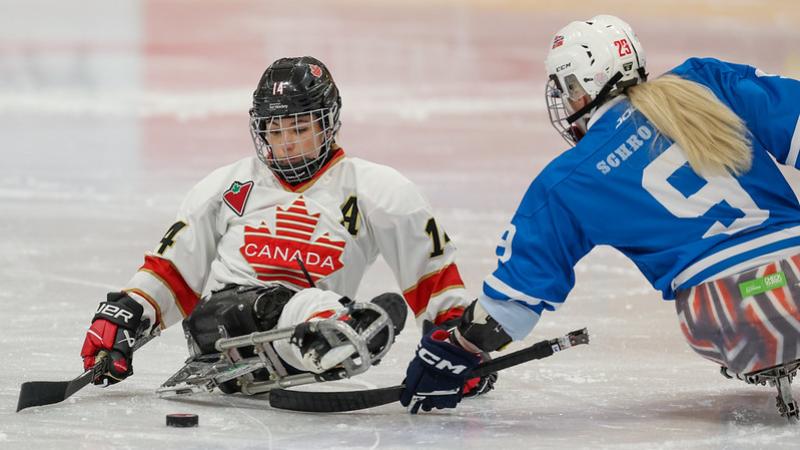
Despite the setback, advocates remain steadfast in their belief that inclusion is an attainable goal for the future.
Leading organizations such as the Women’s Para-Ice Hockey Association and various disability sports advocacy groups have issued statements reaffirming their commitment to pushing for women’s inclusion in the 2030 Games.
Athletes themselves have voiced their aspirations. Many women involved in para-ice hockey see the sport as a powerful platform to challenge stereotypes, break down barriers, and inspire others with disabilities.
Their stories highlight the importance of representation and the transformative power of sport.
One such athlete, Emily Carter, a member of the United States women’s para-ice hockey team, expressed her optimism: “We know we have a long way to go, but our passion and dedication keep us motivated.
We believe that by 2030, we’ll see women’s para-ice hockey on the Olympic stage, and that will be a huge step forward for gender equality in para-sports.”
The Road to 2030: Building Momentum
The push for women’s para-ice hockey’s inclusion in the 2030 Paralympics is gaining momentum. Several factors contribute to this optimism:
Growing Participation and Talent Development
Over the past few years, more countries have established women’s para-ice hockey programs.
International tournaments such as the World Para-Ice Hockey Championships have seen increased participation from women’s teams, showcasing emerging talent and competitive parity.
Strategic Advocacy and Partnerships
Organizations dedicated to promoting women’s participation in para-sports are actively engaging with the IPC and national Paralympic committees.
Initiatives include grassroots development programs, awareness campaigns, and athlete mentorship schemes designed to accelerate the sport’s growth.
Increased Media Coverage and Public Support
Media outlets and social media platforms are playing a crucial role in raising awareness about women’s para-ice hockey.
Highlighting inspiring stories of female athletes and their journeys helps garner public support, which in turn influences decision-makers.
Policy and Structural Changes
The IPC has committed to increasing gender equality across all sports. Its Gender Equity Strategy aims to ensure balanced representation and opportunities for women and men.
These policies create a conducive environment for the eventual inclusion of women’s para-ice hockey.
Lessons from Other Sports
The successful inclusion of women’s events in other para-sports, such as wheelchair basketball and para-athletics, demonstrates that with sustained effort, growth, and strategic planning, new categories can be established and thrive at the Paralympic level.
Challenges and Obstacles
While optimism remains, several challenges must be addressed to realize the goal of inclusion in 2030:
Limited International Infrastructure: Developing national teams and leagues requires investment, coaching expertise, and facilities—resources that are not yet universally available.
Competition for Slots: The IPC must balance the desire for inclusivity with practical constraints, such as the total number of sports and athletes permitted at the Games.
Ensuring Competitive Balance: For women’s para-ice hockey to succeed at the Paralympics, the sport must demonstrate a high level of international competitiveness, which requires time and sustained development.
Funding and Sponsorship: Securing financial support for women’s programs remains a hurdle, especially in countries where para-sports are still gaining recognition.
The Broader Context: Gender Equality in Para-Sports
The debate over women’s inclusion in para-ice hockey is part of a larger conversation about gender equality in para-sports.
Historically, many sports have been male-centric, with women’s events emerging gradually over time.
The Paralympic movement has made significant strides, but disparities persist.
Promoting gender equality involves multiple facets:
Equal Opportunities: Ensuring women have access to training, coaching, and competition at all levels.
Media Representation: Increasing coverage of women’s para-sports to raise visibility and inspire participation.
Policy Initiatives: Implementing strategies that prioritize gender balance in sports programs and leadership positions.
Cultural Change: Challenging societal stereotypes that may discourage women with disabilities from participating in sports.
The inclusion of women’s para-ice hockey aligns with these broader goals, emphasizing the importance of expanding opportunities and fostering diverse representation.
The Role of International and National Bodies
The path toward inclusion involves collaboration among various stakeholders:
International Paralympic Committee (IPC): Responsible for setting policies, approving sports, and ensuring the growth of para-sports worldwide.
National Paralympic Committees (NPCs): Play a crucial role in developing athletes, organizing competitions, and advocating for inclusion at the national level.
Sport Federations: Responsible for organizing competitions, establishing standards, and supporting athlete development.
Advocacy Groups: Raise awareness, lobby decision-makers, and support athletes’ journeys.
Sponsors and Media: Provide funding, visibility, and promotion to grow the sport’s profile.
Effective collaboration among these entities is essential to overcome challenges and realize the vision of women’s inclusion in para-ice hockey.
Looking Ahead: The Future of Women’s Para-Ice Hockey
While the absence of women’s para-ice hockey at the 2026 Paralympics is a setback, it does not mark the end of the journey. Instead, it serves as a rallying point for renewed efforts, strategic planning, and increased investment.
Key initiatives that could accelerate progress include:
Establishing International Competitions: Creating more regular and high-profile tournaments for women’s para-ice hockey to demonstrate competitiveness and generate interest.
Developing Grassroots Programs: Investing in youth and community programs to nurture future athletes and build a sustainable pipeline.
Securing Funding and Sponsorship: Engaging corporate partners and governments to support women’s para-ice hockey initiatives.
Advocacy and Awareness Campaigns: Highlighting success stories, promoting role models, and emphasizing the sport’s potential to inspire.
Policy Support: Encouraging the IPC and national bodies to prioritize gender equality and inclusivity in their strategic plans.
The Power of Inspiration
Stories of female athletes overcoming adversity and breaking barriers are powerful tools for change.
They inspire young girls and women with disabilities to pursue sports and challenge societal expectations.
The Role of Media and Public Engagement
Media coverage can elevate the sport’s profile, attract sponsorship, and influence policymakers. Public support is vital for creating an environment where women’s para-ice hockey can flourish.
The Importance of Long-Term Vision
Achieving inclusion in the Olympics and Paralympics requires patience, strategic planning, and sustained effort.
The journey from limited participation to full inclusion is complex but achievable with collective commitment.
Conclusion
The decision not to include women’s para-ice hockey in the 2026 Winter Paralympics has undoubtedly disappointed many within the disability sports community.
However, advocates, athletes, and supporters remain hopeful that this setback will serve as a catalyst for future progress.
The momentum built over recent years, combined with strategic advocacy, increased participation, and a shared commitment to gender equality, suggests that the goal of seeing women’s para-ice hockey on the Paralympic stage in 2030 is not just a dream but an attainable reality.
As the Paralympic movement continues to grow, evolve, and champion inclusivity, the hope is that future Games will reflect the diversity and resilience of all athletes.
The road ahead may be challenging, but with perseverance and collective effort, the vision of a more inclusive, equitable para-sport landscape remains within reach.