
Jelly Roll Advocates for Redemption: Calling for a Reconsideration of Lifelong Gun Bans for Felons and Restoring Hunting Rights
In recent years, the conversation surrounding criminal justice reform has gained significant traction across the United States.
Among the many issues debated are the rights of felons to regain certain privileges and the importance of providing pathways to redemption for individuals who have served their sentences.
In a surprising and thought-provoking stance, renowned rapper and country artist Jelly Roll has publicly expressed his belief that lifelong gun bans imposed on felons should be reconsidered, emphasizing the need for a fairer system that allows for redemption and the restoration of rights, including the right to hunt.
The Context: Felony Convictions and Gun Laws in America

The United States has a complex legal framework regarding felons and firearms. Federal law, under the Gun Control Act of 1968, prohibits individuals convicted of certain crimes from possessing firearms. Specifically, anyone convicted of a felony—regardless of the nature of the offense—is generally barred from owning or purchasing guns for life.
This restriction is rooted in the belief that individuals who have committed serious crimes pose a threat to public safety and should be disarmed to prevent future violence.
However, critics argue that such lifelong bans can be overly punitive and fail to account for an individual’s efforts toward rehabilitation.
They contend that a blanket ban disregards the potential for personal growth and change, and that it may hinder reintegration into society.
Moreover, many advocate for a more nuanced approach that considers individual circumstances and provides opportunities for felons to regain their rights after demonstrating rehabilitation.
Jelly Roll’s Perspective: A Voice for Redemption
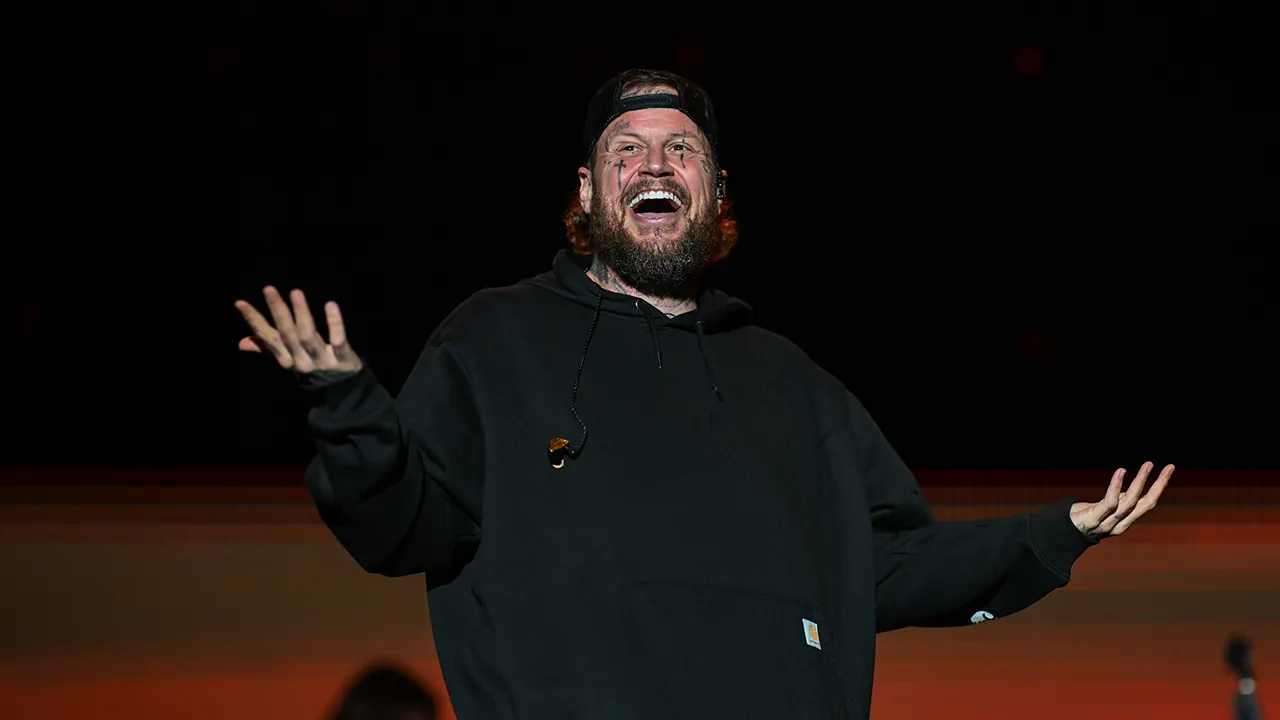
Jelly Roll, born Jason DeFord, has risen to prominence through his unique blend of country, rap, and storytelling.
Known for his raw honesty and connection with fans, Jelly Roll has often spoken candidly about struggles with addiction, incarceration, and personal transformation.
His music and public statements frequently emphasize themes of redemption, second chances, and the importance of community support.
Recently, Jelly Roll made headlines when he publicly voiced his opinion on the issue of gun bans for felons.
He argued that lifelong bans are overly harsh and that individuals who have served their time should have a chance to rebuild their lives, including the right to own firearms and participate in traditional activities like hunting.
For Jelly Roll, hunting is more than a pastime; it’s a symbol of independence, self-reliance, and connection to nature—a way to heal and find purpose.
The Call for a Path to Redemption

In interviews and social media posts, Jelly Roll has emphasized that he believes in the possibility of redemption.
He advocates for a system that recognizes the efforts of individuals to turn their lives around.
Specifically, he suggests that felons who have demonstrated good behavior, completed rehabilitation programs, and shown remorse should be eligible to have their rights restored, including the right to own guns and participate in hunting activities.
This perspective aligns with a growing movement among criminal justice reform advocates who argue that lifelong bans are not only unfair but counterproductive.
They point out that denying rights such as gun ownership and hunting privileges can hinder reintegration, increase recidivism, and perpetuate social marginalization.
The Importance of Hunting Rights
Hunting holds a special place in American culture, especially in rural and southern communities.
It’s a tradition passed down through generations, serving as a means of sustenance, recreation, and a way to connect with nature.
For many, hunting is also a vital part of their identity and lifestyle.
Jelly Roll underscores that the right to hunt is more than just a recreational activity; it’s a fundamental aspect of personal freedom and self-sufficiency.
Denying felons this right, he argues, is an unnecessary punishment that further isolates individuals who are striving to reintegrate into society.
The Broader Implications: Justice, Fairness, and Public Safety
Jelly Roll’s stance raises important questions about justice and fairness. Should lifelong bans be the default for all felons, or should there be room for individual assessment?
How can the justice system balance public safety concerns with the rights of individuals seeking redemption?
Many experts believe that a balanced approach is necessary.
This could involve implementing a system where felons can petition to have their rights restored after a certain period of good behavior and successful reintegration.
Such measures could include background checks, assessments of rehabilitation efforts, and community support.
Public safety remains a primary concern. Proponents of lifelong bans argue that they are essential to prevent repeat offenses.
However, research indicates that many individuals who have served their sentences are no longer a threat and deserve a chance to rebuild their lives.
Restorative justice advocates suggest that providing pathways to redemption benefits society as a whole by reducing recidivism and encouraging positive community involvement.
Legislative and Policy Perspectives
Currently, federal law prohibits felons from possessing firearms for life, with limited exceptions.
Some states have begun to explore reforms, allowing for the restoration of rights after certain conditions are met.
For example, some jurisdictions permit individuals to petition courts for the restoration of gun rights after a period of good behavior or completion of rehabilitation programs.
Jelly Roll’s advocacy aligns with these emerging trends, emphasizing that policies should be flexible and individualized.
He calls for lawmakers to consider reforms that enable felons to regain their rights, including the right to hunt, after demonstrating genuine rehabilitation and remorse.
Community and Cultural Impact
The conversation surrounding felon rights and redemption is not just about legal statutes; it’s also about community acceptance and cultural values.
In many rural and Southern communities, hunting and firearm ownership are integral parts of daily life.
For these communities, the ability of felons to participate in hunting can be a vital step toward social reintegration and acceptance.
Jelly Roll’s stance resonates with many fans and community members who believe in second chances.
His voice adds a layer of empathy and understanding to the debate, highlighting that rehabilitation and forgiveness are essential components of a fair justice system.
Moving Forward: A Call for Compassion and Reform
While the debate over lifelong gun bans for felons continues, Jelly Roll’s outspoken support for a pathway to redemption brings much-needed attention to the issue.
His perspective encourages policymakers, community leaders, and citizens to consider reforms that balance safety with fairness.
Implementing a system that allows for the restoration of rights—based on individual circumstances—could lead to a more just and compassionate society.
It would recognize the potential for growth and change within every individual, reaffirming that redemption is possible and worth pursuing.
Conclusion
Jelly Roll’s advocacy for reconsidering lifelong gun bans for felons and restoring their rights, including the right to hunt, highlights a broader movement toward justice, fairness, and redemption.
His voice reminds us that society benefits when individuals are given opportunities to prove their reform and reintegrate fully into their communities.
As discussions around criminal justice reform continue to evolve, it is essential to listen to voices like Jelly Roll’s—those rooted in empathy, understanding, and a belief in second chances.
By embracing a more nuanced approach, society can foster a more equitable and compassionate future, where redemption is not just an ideal but a reality for many.
News
The Fascinating Coincidence: Seven NBA Legends Who Played Game 7s on Their Birthdays—and All Won
The Fascinating Coincidence: Seven NBA Legends Who Played Game 7s on Their Birthdays—and All Won In the world of professional…

Samara Weaving and Margot Robbie: The Surprising Doppelgängers of Hollywood
Samara Weaving and Margot Robbie: The Surprising Doppelgängers of Hollywood In the glitzy world of Hollywood, where star power and…

Black CEO Denied First-Class Meal — Shocking Action: Fires Entire Flight Crew After Landing
Black CEO Denied First-Class Meal — Shocking Action: Fires Entire Flight Crew After Landing In a surprising turn of events,…

Al Roker’s family breaks their silence, and what they’re saying about his extended TODAY show absence is turning heads. Let’s just say he’s not staying quiet about what happened to Sheinelle Jones.
Al Roker’s family breaks their silence, and what they’re saying about his extended TODAY show absence is turning heads. Let’s…
Savannah Guthrie just dropped a family secret so wild that the entire TODAY cast was left speechless. And the person connected to it? Literally no one saw this coming.
Savannah Guthrie just dropped a family secret so wild that the entire TODAY cast was left speechless. And the person…

Jaxson Dart’s New Nickname Sparks Viral Buzz Amid Donald Trump Controversy: A Deep Dive into the Latest Sports and Political Intersection
Jaxson Dart’s New Nickname Sparks Viral Buzz Amid Donald Trump Controversy: A Deep Dive into the Latest Sports and Political…
End of content
No more pages to load