Scott Derrickson Criticizes Oscars for Omitting Late Actor in In Memoriam Segment
Scott Derrickson Criticizes Oscars for Omitting Late Actor in In Memoriam Segment
In a recent development that has sparked widespread discussion within the entertainment industry and among cinephiles worldwide, renowned director Scott Derrickson has publicly voiced his criticism of the Academy Awards’ decision to exclude the late actor Amos Ransone from this year’s In Memoriam segment.
Derrickson, best known for his work on horror films such as Sinister and The Black Phone, expressed his disappointment and concern over the omission, highlighting broader issues surrounding the Academy’s recognition of artists who have passed away.
The Significance of the In Memoriam Segment at the Oscars

The In Memoriam segment is a longstanding tradition at the Academy Awards, serving as a solemn tribute to the artists, filmmakers, and industry professionals who have died in the preceding year.
It is a poignant moment during the ceremony, allowing viewers, peers, and fans to remember those who contributed significantly to the art of cinema.
The segment typically features a curated montage of photographs and clips, accompanied by a musical score, honoring the legacies of individuals who have left an indelible mark on the industry.
However, the process of selecting who is included and who is omitted has often been a subject of controversy.
Critics argue that the segment sometimes overlooks deserving figures due to oversight, limited time, or subjective judgment. Nonetheless, it remains a cherished tradition that symbolizes respect, remembrance, and recognition within Hollywood and beyond.
Who Is Amos Ransone?

Amos Ransone, a talented actor known for his compelling performances in independent films and supporting roles in major productions, passed away earlier this year at the age of 45.
Ransone’s career, though not as high-profile as some of his contemporaries, was marked by a dedication to his craft and a reputation among directors and colleagues for his professionalism and depth as an actor.
Ransone’s work often explored complex characters and emotional narratives, earning him praise from critics and peers alike.
His performances contributed to the richness of the projects he was involved in, and his passing was mourned by many within the industry.
Despite his contributions, Ransone was notably absent from this year’s In Memoriam segment, a fact that has not gone unnoticed.
Scott Derrickson’s Public Criticism
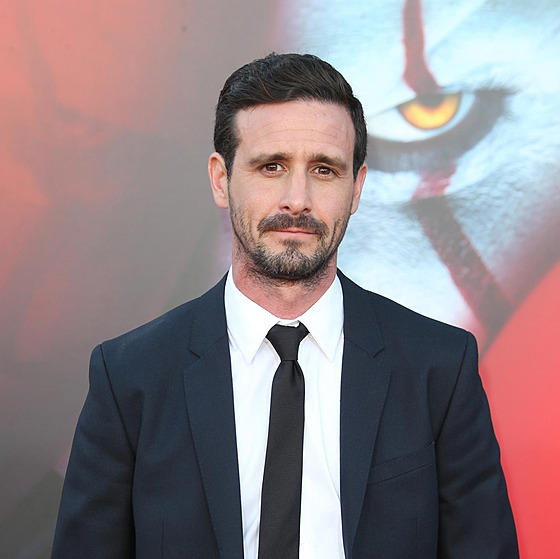
Scott Derrickson, the acclaimed filmmaker behind horror hits like Sinister (2012) and The Black Phone (2022), took to social media to voice his disapproval of the omission.
Derrickson, who has a reputation for being outspoken about industry issues and advocating for artists, posted a heartfelt message on Twitter expressing his disappointment.
In his statement, Derrickson emphasized the importance of honoring all artists who have contributed to cinema, regardless of their fame or mainstream recognition.
He pointed out that Ransone’s omission was a disservice not only to the actor’s legacy but also to the integrity of the tradition that the In Memoriam segment represents.
Derrickson’s Perspective on Industry Recognition
Derrickson’s critique touches on a broader conversation about how the film industry recognizes its members.
While the Oscars aim to celebrate excellence in filmmaking, the process of selecting individuals for the In Memoriam segment is inherently subjective.
Factors such as industry relationships, public visibility, and the scope of the segment’s time constraints influence who is remembered.
Derrickson argued that this subjectivity can lead to the marginalization of deserving artists, especially those who may not have achieved widespread fame but nonetheless made meaningful contributions.
His comments resonated with many industry insiders and fans who feel that the industry’s remembrance practices should be more inclusive and transparent.
The Broader Context of Oscar Omissions
The controversy surrounding the In Memoriam segment is not new. Over the years, many notable figures have been omitted or underrepresented, leading to debates about fairness, recognition, and the criteria used for selection.
Some of the most discussed omissions include influential directors, writers, and actors whose work significantly impacted cinema but who may have been overlooked due to timing, politics, or oversight.
In recent years, the conversation has gained momentum with the rise of social media platforms, where fans and industry professionals alike can voice their opinions and advocate for those they believe deserve recognition.
The InMemoriam hashtag, for example, has been used to highlight overlooked artists and to call for more inclusive remembrance practices.
The Role of the Academy in Honoring Cinema’s Legends
The Academy of Motion Picture Arts and Sciences (AMPAS), which hosts the Oscars, has a responsibility to honor the legacy of those who have shaped the industry.
While the organization has taken steps to improve transparency and inclusiveness, critics argue that there is still room for growth.
Some suggest that the Academy should consider expanding the In Memoriam segment or providing supplementary tributes for those who might not fit into the main montage.
Others believe that establishing a more comprehensive database or memorial resource could help ensure that deserving artists are remembered more consistently.
The Impact of Social Media and Public Opinion
In the digital age, public opinion can significantly influence industry practices.
When Derrickson’s comments went viral, they prompted a wider discussion about how the Oscars and the industry at large handle remembrance and recognition.
Many fans and industry figures shared their own stories of overlooked artists, emphasizing that every contribution to cinema deserves acknowledgment.
This collective voice has added pressure on the Academy to reflect on its practices and consider more inclusive ways to honor the industry’s fallen members.
The Future of In Memoriam Tributes
Looking ahead, there is an ongoing debate about how best to honor industry professionals who have passed away.
Some propose creating dedicated memorial segments or online memorials that can be more comprehensive than the limited time available during the Oscars.
Others advocate for industry-wide initiatives to preserve the legacies of artists through archives, documentaries, or dedicated awards that recognize lifetime achievement and contributions beyond the scope of a single ceremony.
Recommendations for a More Inclusive Approach
Expanding the In Memoriam segment to include more names, possibly through multiple montages or supplementary videos.
Creating an official online memorial hosted by the Academy or industry organizations that can be accessed year-round.
Implementing transparent criteria for selecting individuals to be honored, with input from industry peers and the public.
Recognizing unsung heroes of cinema, including behind-the-scenes professionals, independent artists, and lesser-known performers.
Conclusion
Scott Derrickson’s outspoken criticism of the Oscars’ decision to omit Amos Ransone from this year’s In Memoriam segment highlights a broader issue within the entertainment industry — the challenge of fairly and comprehensively honoring those who have contributed to the art of cinema.
As the industry continues to evolve, so too must its methods of remembrance, ensuring that all deserving artists receive the recognition and respect they deserve.
The conversation sparked by Derrickson’s comments serves as a reminder that cinema is a collective art form built on the efforts of countless individuals, each leaving their mark in unique and meaningful ways.
Moving forward, industry leaders and organizations like the Academy have an opportunity to reflect on these criticisms and implement more inclusive, transparent, and respectful practices for honoring the legacies of those who have passed away.