Kevin Hart Addresses Sensitive Topics in Recent Interview: Would He Prefer a ‘Gay Son’ or a ‘Thot Daughter’?
Kevin Hart Addresses Sensitive Topics in Recent Interview: Would He Prefer a ‘Gay Son’ or a ‘Thot Daughter’?
In the world of entertainment, comedians often use their platform to tackle complex social issues, challenge stereotypes, and spark important conversations.
Recently, comedian and actor Kevin Hart sat down for an interview with Ziwe, the renowned comedian, writer, and host known for her provocative and thought-provoking style.
During this candid exchange, Hart was posed a question that has ignited widespread discussion across social media and entertainment circles: Would he rather have a ‘gay son’ or a ‘thot daughter’?
This question, seemingly simple on the surface, touches on deep themes of parental expectations, societal perceptions of sexuality and behavior, and the evolving landscape of family dynamics in contemporary America.
As one of Hollywood’s most prominent comedians, Kevin Hart’s response provides insight into his personal beliefs, his approach to parenting, and his perspectives on the cultural conversations surrounding sexuality and morality.
Setting the Stage: The Context of the Interview
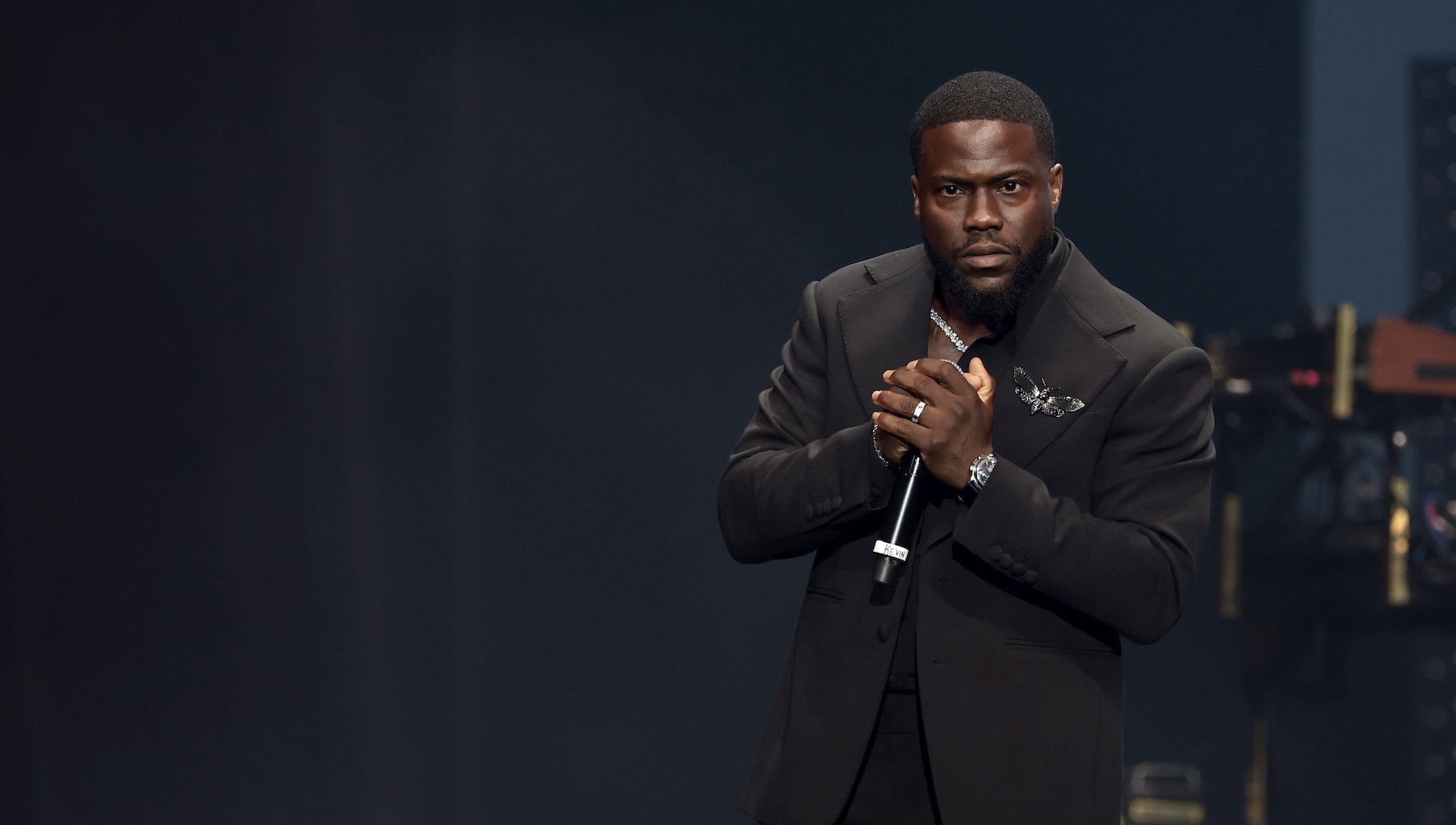
Ziwe, known for her sharp wit and fearless questioning, has built a reputation for challenging her guests with questions that probe their values, biases, and attitudes.
Her interviews often serve as a mirror reflecting broader societal debates, especially around race, sexuality, gender roles, and social norms.
In this particular interview, Ziwe’s question about parenting choices—specifically, whether Hart would prefer a gay son or a “thot daughter”—was designed to elicit an honest response and perhaps challenge the stigmas often associated with these labels.
The term “thot,” a slang acronym for “That Hoe Over There,” is commonly used in pop culture to describe a woman perceived as promiscuous or sexually liberated, often with negative connotations rooted in moral judgment.
Hart’s response, like many of his public statements, was measured yet thoughtful, reflecting his personal beliefs and his approach to parenting in a modern, diverse society.
Kevin Hart’s Response: An Overview

While the full transcript of Hart’s answer is available through various media outlets, the core of his response emphasized love, acceptance, and the importance of supporting children regardless of their choices or identities.
Hart acknowledged that as a parent, his primary concern is the happiness and well-being of his children, rather than conforming to societal expectations or stereotypes.
He expressed that he would love and support his son if he were gay, emphasizing that love is unconditional and that understanding and acceptance are fundamental to healthy parenting.
When it came to the hypothetical “thot daughter,” Hart also conveyed a message of compassion, recognizing that teenage rebellion and exploration are part of growing up, and that judgment is not his place.
This nuanced stance aligns with Hart’s broader public persona—one that advocates for kindness, understanding, and breaking down barriers of prejudice.
His words have resonated with many fans and critics alike, sparking conversations about what it truly means to be a supportive parent in today’s society.
The Broader Cultural Conversation
The question posed to Kevin Hart is not merely about personal preference; it taps into larger societal debates about sexuality, morality, and the role of parents in guiding their children.
In recent years, there has been increased visibility and acceptance of LGBTQ+ individuals, alongside ongoing struggles against discrimination and stigma.
Many parents, celebrities, and public figures have shared their perspectives on raising children with diverse sexual orientations and gender identities.
Some emphasize the importance of unconditional love, while others grapple with traditional values and societal expectations.
The term “thot,” meanwhile, is part of a broader conversation about female sexuality and double standards.
Critics argue that labeling women as “thots” perpetuates misogyny and moral judgment, often rooted in sexist stereotypes.
Discussions around this term highlight the ongoing fight for women’s autonomy and respect in modern culture.
Kevin Hart’s responses, therefore, are situated within this complex cultural landscape.
His emphasis on love and support reflects a progressive outlook that aligns with many contemporary voices advocating for acceptance and understanding.
Public Reactions and Social Media Response
Since the interview aired, reactions from fans, critics, and social media users have been swift and varied. Many praised Hart for his thoughtful response, viewing it as a sign of maturity and compassion.
Supporters highlighted the importance of unconditional love in parenting, regardless of societal pressures.
Conversely, some critics argued that the question itself was problematic, framing it as a binary choice that oversimplifies complex issues.
They pointed out that such questions can reinforce stereotypes or put undue pressure on parents and children alike.
Social media platforms have become battlegrounds for these debates, with hashtags trending related to Kevin Hart’s interview, LGBTQ+ rights, and gender stereotypes.
The conversation underscores the ongoing cultural shift towards greater acceptance and the recognition of diverse family structures.
Kevin Hart’s Legacy and Influence
As one of Hollywood’s most successful comedians and actors, Kevin Hart’s influence extends beyond entertainment.
His openness about personal struggles, his advocacy for mental health, and his efforts to promote positive family values have made him a prominent figure in contemporary culture.
Hart’s approach to parenting, as reflected in his interview responses, emphasizes the importance of love, support, and understanding—values that resonate with many in an increasingly diverse society.
His willingness to engage in honest conversations about sensitive topics helps break down barriers and encourages others to reflect on their own beliefs.
The Importance of Honest Dialogue in Society
The interview with Ziwe serves as a reminder of the significance of honest dialogue about issues that matter.
Asking provocative questions can be uncomfortable, but they are often necessary to challenge societal norms and promote progress.
Kevin Hart’s measured response demonstrates that even in the face of provocative questions, compassion and understanding should guide our reactions.
As society continues to evolve, conversations like these play a vital role in shaping a more inclusive and accepting future.
Conclusion: A Reflection of Changing Attitudes
Kevin Hart’s recent interview with Ziwe, centered around the hypothetical question of whether he would prefer a “gay son” or a “thot daughter,” offers a window into the shifting landscape of American society.
His emphasis on unconditional love and support underscores a broader movement towards acceptance, understanding, and breaking down stereotypes.
As debates around sexuality, morality, and gender continue to unfold in the public sphere, voices like Hart’s remind us that the most important thing as parents and as a society is to prioritize love, empathy, and respect.
These conversations are essential for fostering a culture where everyone feels valued and accepted for who they are.
In the end, whether one is a celebrity or an everyday parent, the principles remain the same: support your children, love them unconditionally, and embrace the diversity that makes society richer and more vibrant.
Kevin Hart’s words serve as a powerful reminder of these timeless values, inspiring us all to approach sensitive topics with kindness and an open mind.