Lupita Nyong’o: Challenging Centuries of Beauty Standards and Redefining Black Beauty
In a world where beauty standards have long been dictated by narrow, often exclusionary ideals, Lupita Nyong’o stands out as a beacon of change.
The acclaimed actress and Oscar winner has not only captivated audiences with her extraordinary talent but has also become a powerful voice in the ongoing fight against racial bias in beauty.
Her refusal to conform to traditional standards that have historically marginalized Black women marks a pivotal moment in the broader movement toward inclusivity and representation.
The Historical Context of Beauty Standards
For centuries, societal notions of beauty have been shaped by Eurocentric ideals—fair skin, straight hair, narrow noses, and slim figures.
These standards have been deeply ingrained in Western culture and, by extension, global media and fashion industries.
For Black women, these ideals have often translated into a painful reality of exclusion, discrimination, and erasure.
Throughout history, Black women have faced relentless pressure to conform to these narrow standards, often at the cost of their cultural identity and self-esteem.
The media has perpetuated images that favor whiteness and Eurocentric features, reinforcing a hierarchy that privileges certain traits while marginalizing others.
This systemic bias has had profound effects on how Black women see themselves and how they are perceived by society.
Lupita Nyong’o: A Breakthrough Figure
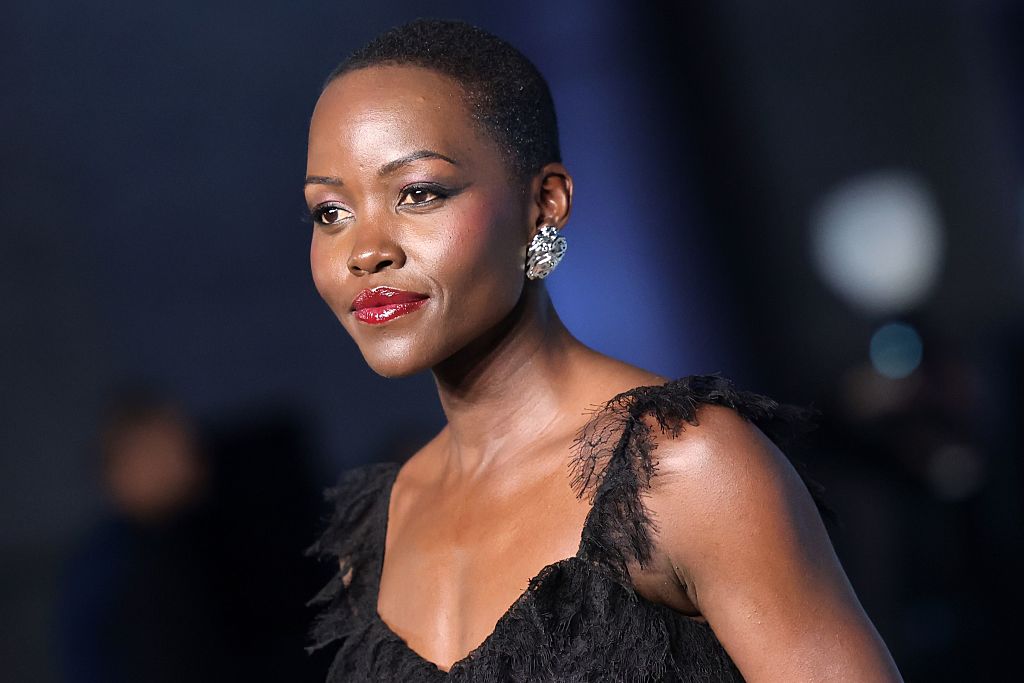
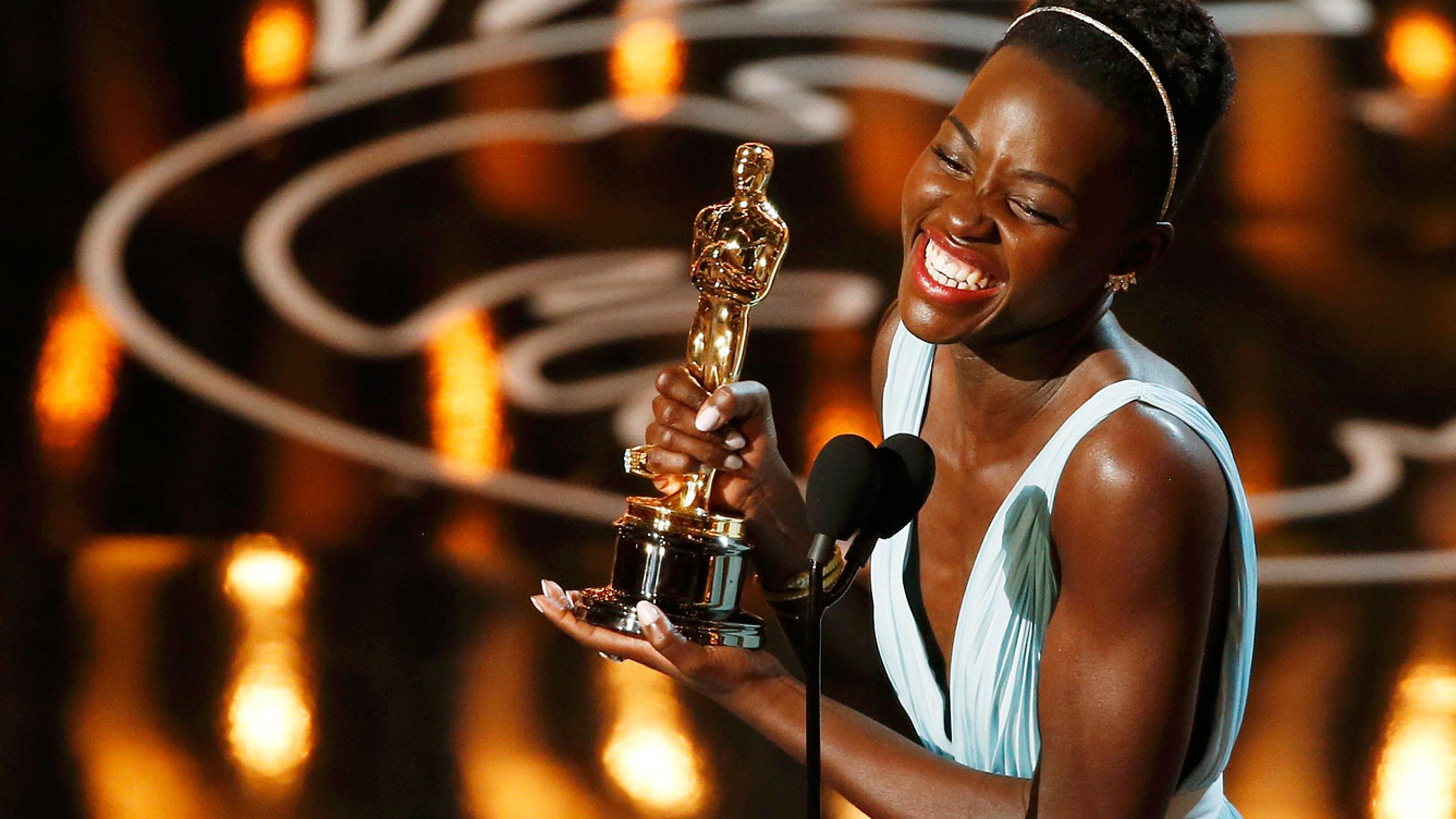
Enter Lupita Nyong’o—a Kenyan-Mexican actress whose rise to international fame has been nothing short of inspiring. Since her breakout role in the film 12 Years a Slave, for which she won the Academy Award for Best Supporting Actress, Nyong’o has become a household name.
But beyond her acting prowess, she has emerged as a trailblazer in challenging conventional beauty norms.
Nyong’o’s striking appearance—her deep skin tone, natural hair, and regal presence—has disrupted traditional Hollywood standards.
She has openly embraced her natural beauty, often showcasing her hair in its authentic, textured state and wearing clothing that celebrates her cultural heritage.
Her confidence and authenticity have resonated with millions worldwide, especially Black women who have long felt underrepresented and undervalued.
The Power of Representation and Visibility
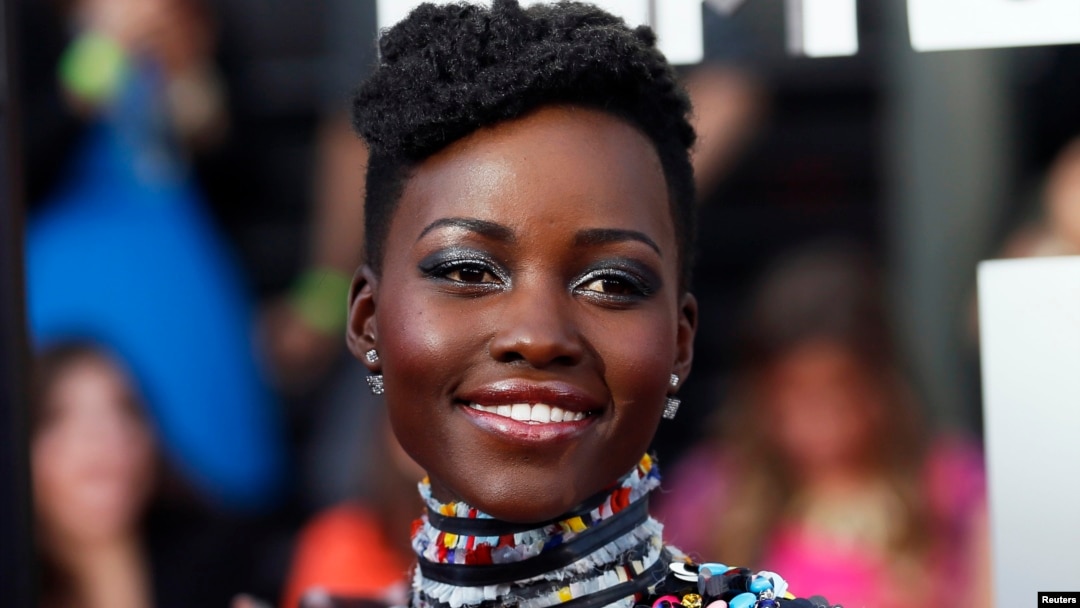
Representation matters. When Lupita Nyong’o appears on magazine covers, red carpets, and in interviews, she embodies a different kind of beauty—one that is diverse, authentic, and inclusive.
Her visibility challenges the stereotypical images that have dominated popular culture for decades.
In interviews and social media, Nyong’o has spoken candidly about her experiences with colorism and societal expectations.
She advocates for embracing one’s natural features and rejecting harmful beauty standards that have historically marginalized Black women.
Her message is clear: beauty is diverse, multifaceted, and should be celebrated in all its forms.
Breaking Stereotypes and Inspiring Change
Nyong’o’s influence extends beyond her personal style; she actively participates in conversations about racial justice, representation, and equality.
She has used her platform to highlight issues such as colorism within the Black community, the importance of diverse casting in Hollywood, and the need for media to reflect the true spectrum of beauty.
Her advocacy has inspired a new generation of women and men to challenge societal norms and embrace their authentic selves.
Through her actions and words, Nyong’o exemplifies what it means to be a role model—a person who not only succeeds professionally but also uses her success to foster social change.
The Broader Cultural Impact
The cultural significance of Lupita Nyong’o’s stance cannot be overstated. In a media landscape often criticized for its lack of diversity, her presence signals a shift toward greater inclusivity.
Fashion brands, beauty companies, and media outlets are increasingly recognizing the importance of representing Black beauty in all its diversity.
This movement is part of a larger societal transformation—one that questions and deconstructs long-held stereotypes.
The Black Lives Matter movement, #BlackGirlMagic, and other social campaigns have amplified voices calling for change, and Nyong’o’s prominence adds momentum to this wave.
Challenges and Obstacles
Despite her success, Nyong’o faces ongoing challenges. Hollywood remains a predominantly white industry with entrenched biases.
Black women often encounter limited opportunities, stereotypical roles, and unrealistic beauty expectations.
The pressure to conform to certain standards persists, even among influential figures like Nyong’o.
Moreover, societal change takes time. While progress has been made, the fight against ingrained beauty standards and racial biases continues.
It requires collective effort—from individuals, industries, and policymakers—to create a truly inclusive culture.
The Future of Beauty Standards
Lupita Nyong’o’s journey exemplifies the potential for change. Her unapologetic embrace of her identity encourages others to do the same.
As more people recognize the beauty in diversity, the standards will gradually evolve.
The future of beauty is inclusive, multifaceted, and representative of all races, ethnicities, and identities.
Media and fashion industries are increasingly embracing this shift, showcasing models and celebrities who break the mold and redefine what society considers beautiful.
Conclusion: A Movement Rooted in Authenticity and Empowerment
Lupita Nyong’o’s refusal to accept exclusionary beauty standards is more than a personal stance; it’s a movement that challenges centuries of racial bias and cultural erasure.
Her influence extends beyond the red carpet—she is a symbol of empowerment, authenticity, and resilience.
Her journey underscores the importance of representation and the power of embracing one’s natural self.
As society continues to evolve, figures like Nyong’o will remain catalysts for change, inspiring future generations to celebrate diversity and redefine beauty on their own terms.
News
Mitchell Robinson of the New York Knicks Set to Make His NBA Finals Debut: A Deep Dive into His Journey, Impact, and the Knicks’ Championship Quest
Mitchell Robinson of the New York Knicks Set to Make His NBA Finals Debut: A Deep Dive into His Journey,…

“Hacks” Stars Reflect on the End of a Beloved Comedy Series: Jean Smart, Jen Statsky, and the Cast Share Their Favorite Memories
“Hacks” Stars Reflect on the End of a Beloved Comedy Series: Jean Smart, Jen Statsky, and the Cast Share Their…
Hailey Van Lith Officially Waived by Connecticut Sun: An In-Depth Analysis of the Move, Its Implications, and Future Prospects
Hailey Van Lith Officially Waived by Connecticut Sun: An In-Depth Analysis of the Move, Its Implications, and Future Prospects In…

Hallmark Channel Celebrates America’s 250th Birthday with Premiere of New Christmas-in-July Movies
Hallmark Channel Celebrates America’s 250th Birthday with Premiere of New Christmas-in-July Movies As the United States approaches a momentous milestone…

Black CEO Denied First-Class Seat — 25 Minutes Later, the Airline’s Entire Booking System Went Dark
Black CEO Denied First-Class Seat — 25 Minutes Later, the Airline’s Entire Booking System Went Dark A Flight Dispute That…

Airline Crew Humiliates Black CEO — Then a Flight Announcement Changes Everything
Airline Crew Humiliates Black CEO — Then a Flight Announcement Changes Everything A Routine Flight Turns Into an Unforgettable Lesson…
End of content
No more pages to load