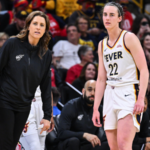
FBI Seizes Greater Control in Nancy Guthrie Investigation: Shocking Transition Blows Open Long-Standing Mystery After Months of Silence
In a development that has reignited public interest in one of the most perplexing missing persons cases of 2026, the FBI has assumed a significantly expanded role in the investigation into the disappearance of Nancy Guthrie, the 84-year-old mother of NBC’s Today show co-anchor Savannah Guthrie.
What began as a local missing persons report in Tucson, Arizona, has evolved into a high-profile federal probe marked by surveillance footage of a masked intruder, DNA evidence, inter-agency tensions, and ongoing searches that have stretched across state lines and even into Mexico.
After months of relative silence from authorities and the family, this latest transition has blown the case wide open, raising fresh questions about what happened on that fateful night in late January.
The case, which captivated the nation due to its connection to a beloved television personality, has seen renewed momentum as the FBI moves its command post and deepens its involvement.
Experts and law enforcement insiders describe the shift as a critical step toward resolving the mystery, even as Nancy Guthrie remains missing more than four months later.
This article delves into the full timeline, key evidence, family impact, investigative challenges, and broader implications of a case that continues to baffle authorities and the public alike.
The Disappearance: A Chilling Night in Tucson
Nancy Guthrie, née Long, was last seen at her residence in the upscale Catalina Foothills neighborhood of Tucson, Arizona, on the evening of January 31, 2026.
The following morning, February 1, her family reported her missing after she failed to respond as expected.
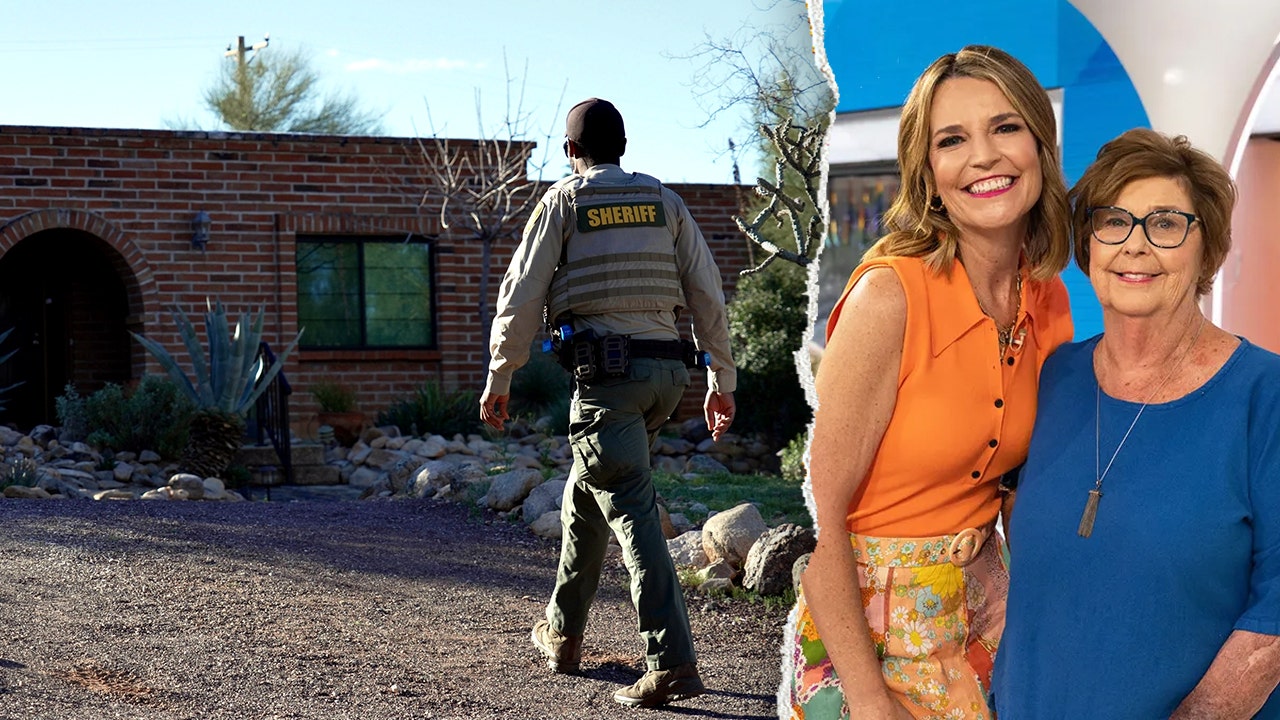
What authorities initially treated as a search and rescue operation quickly transitioned into a criminal investigation upon the discovery of blood evidence believed to belong to Nancy at her home.
The circumstances were immediately suspicious. Nancy, at 84 years old, lived somewhat independently but had mobility challenges.
Her home was equipped with security cameras, yet the investigation revealed signs of tampering.
Blood spatter on the front porch suggested a possible struggle, leading investigators to classify the case as a suspected abduction rather than a voluntary disappearance or accident.
Pima County Sheriff’s Department (PCSD) responded first, but the involvement of the FBI was not seamless from the outset.
Reports later emerged of delays in federal participation, with FBI Director Kash Patel publicly claiming that the Bureau was “kept out” of the investigation for the first four critical days.
This revelation, made in a May 2026 interview, highlighted potential friction between local and federal agencies and added another layer of intrigue to the case.
FBI Steps In: From Support Role to Greater Control
The FBI’s Phoenix Field Office officially joined the probe alongside the Pima County Sheriff’s Department shortly after the disappearance.
A $50,000 reward (later increased in some reports to $100,000) was offered for information leading to Nancy’s recovery or the arrest of those responsible.
Agents assisted with evidence recovery, including working with Google to retrieve doorbell camera footage that had initially been inaccessible.
By late February 2026, the FBI had released chilling surveillance images and video showing a masked, armed individual on Nancy’s porch in the early morning hours of February 1.
The suspect, described as approximately 5 feet 9 inches to 5 feet 10 inches tall with an average build and a black mustache, was seen tampering with the camera while carrying a backpack and wearing gloves.
The footage, recovered from backend systems, became central to the public appeal for tips.
As the months progressed, the FBI’s role expanded significantly. In a notable transition, the Bureau moved its primary command post from Tucson to Phoenix to improve operational efficiency for the long-term investigation.
Most agents involved were already based in Phoenix, allowing for better resource allocation while maintaining tactical teams in Tucson.
This shift, combined with recent statements and renewed searches, represents what many are calling the FBI “seizing total control.”
It comes after months where progress appeared slow, with Sheriff Chris Nanos defending the pace due to lab processing times, DNA analysis, and judicial protocols.
Tensions reportedly surfaced over evidence handling, including the decision to send certain items to a private lab rather than the FBI’s facilities in Quantico.
Key Evidence and Investigative Breakthroughs
Investigators have recovered partial DNA from inside Nancy’s home that does not match her or close family members.
This evidence is being analyzed using advanced techniques, including genetic genealogy, which has proven successful in other high-profile cases.
A black glove found near the property is also under scrutiny, as it appears consistent with those worn by the suspect in the video.
Additional images from neighborhood cameras and potential leads involving a “signal sniffer” or other technical tools have been explored by former agents commenting on the case.
Searches have extended to areas near the U.S.-Mexico border, approximately 60 miles south, with the FBI reaching out to Mexican authorities amid theories that Nancy may have been transported across the border.
Volunteers continue to organize searches, including recent efforts on June 16, 2026, near the border.
Despite thousands of tips, no arrests have been publicly announced, and Nancy’s whereabouts remain unknown.
The Family’s Heart-Wrenching Ordeal
Savannah Guthrie, a prominent co-host on NBC’s Today, has maintained a relatively low public profile regarding the case but has periodically shared emotional pleas.
In videos and statements, the family has expressed hope while urging anyone with information to come forward. Savannah has emphasized that it is “never too late to do the right thing.”
The emotional toll on the family has been immense. Nancy was a beloved grandmother and mother whose sudden absence left a void.
Public speculation has at times been overwhelming, leading to rumors and unverified theories that the family has had to navigate alongside their grief.
At the four-month mark in June 2026, updates from Savannah highlighted the ongoing pain and the family’s continued cooperation with authorities.
Inter-Agency Dynamics and Public Scrutiny
The case has spotlighted challenges in multi-jurisdictional investigations.

Claims by FBI Director Kash Patel about initial exclusion fueled discussions about coordination between local law enforcement and federal agencies.
Sheriff Nanos has pushed back against such narratives, stating that the FBI was involved from early on and that evidence protocols were followed appropriately.
Retired FBI agents and profilers have offered public analysis, describing the case as “very odd” due to the targeted nature suggested by the remote home and the intruder’s preparation.
Theories range from a botched home invasion to more complex motives, though no concrete evidence has pointed to a specific perpetrator. Some experts have raised possibilities of elder-related vulnerabilities or connections yet to be uncovered.
Why This Case Captivates the Nation
The disappearance of Nancy Guthrie resonates on multiple levels. As the mother of a high-profile journalist, it brings the vulnerability of everyday families into the spotlight.
The presence of surveillance footage, DNA clues, and border elements adds a cinematic quality that has drawn intense media coverage and amateur sleuthing online.
Broader societal issues also come into play: the safety of elderly individuals living alone, the reliability of home security systems, and the effectiveness of law enforcement responses in rural or semi-rural areas.
The case has prompted discussions about rapid federal involvement in missing persons cases involving potential interstate or international elements.
Expert Perspectives and Ongoing Challenges
Former FBI negotiators and behavioral analysts have weighed in on the investigation’s complexities.
The lack of a clear ransom demand or immediate motive complicates profiling. Blood evidence indicating a struggle suggests violence, yet the suspect’s preparation points to planning.
Lab delays for DNA and other forensics have been cited as reasons for the slow pace, a common hurdle in cold or long-term investigations.
Advances in technology, such as AI-assisted analysis and genetic tools, offer hope for breakthroughs as the FBI intensifies efforts.
Broader Implications for Missing Persons Investigations
The Nancy Guthrie case underscores the importance of the “golden hours” in missing persons probes and the value of seamless federal-local partnerships.
It also highlights how public appeals and rewards can generate tips, even if they require sifting through volumes of information.
As the investigation enters a new phase with heightened FBI oversight, authorities continue to appeal for public assistance.
Anyone with information is urged to contact the FBI at 1-800-CALL-FBI or local tips lines. The reward remains a significant incentive.
Hope Amid Uncertainty
More than four months after Nancy Guthrie vanished from her Tucson home, the transition to greater FBI control represents a potential turning point.
While the mystery persists, the renewed focus brings renewed hope that answers may finally emerge—answers that could bring closure to a family and justice in a case that has gripped the public’s attention.
The road ahead involves continued forensic work, tip analysis, and possibly expanded searches.
For Savannah Guthrie and her family, every day without resolution is a painful reminder of what was lost that January night.
As journalists and the public follow developments, the case serves as a sobering reminder of the fragility of safety and the enduring power of community vigilance in seeking truth.
News

Bradley Barcola’s Stunning Debut Goal: A Breakthrough Moment in the World Cup
Bradley Barcola’s Stunning Debut Goal: A Breakthrough Moment in the World Cup A New Star Emerges on the World Stage…

Bradley Cooper in Talks to Star in Sean Penn’s Upcoming Directorial Film: A Deep Dive into the Project and Its Significance
Bradley Cooper in Talks to Star in Sean Penn’s Upcoming Directorial Film: A Deep Dive into the Project and Its…
Caitlin Clark Sets the Court Ablaze with Early Double-Double Performance in Midway Through Q3
Caitlin Clark Sets the Court Ablaze with Early Double-Double Performance in Midway Through Q3 In the world of collegiate basketball,…

Kicking Off an Exciting Week of Entertainment, Philanthropy, and Community Engagement
Kicking Off an Exciting Week of Entertainment, Philanthropy, and Community Engagement As the calendar turns to another promising week, a…

Black Woman Blocked at Airport Check-In — Moments Later, Her Private Jet Rolls Onto the Runway
Black Woman was told her ticket was ‘invalid’ and escorted out of line. Then the ground crew parted—and a Gulfstream…
Black Traveler Pulled for a “Random Check” — One FBI Badge Shuts It Down Instantly
Black Traveler Pulled for a “Random Check” — One FBI Badge Shuts It Down Instantly What happens when the people…
End of content
No more pages to load